
Mon - Fri 8:00AM - 5:00PM Central
1150 SE Hamblen Rd, Lee's Summit, MO 64081
2026 Top Chamfering Cutter Types for Global Buyers
Choosing the right Chamfering Cutter in 2026 requires more than comparing prices or catalogue images. Global buyers must match cutter geometry, material, coating, and machine compatibility with real production conditions. A cutter used on aluminum behaves differently from one cutting hardened steel, stainless steel, or engineering plastics.
This guide examines the leading chamfering cutter types for workshops, distributors, and industrial purchasing teams. It considers carbide, high-speed steel, indexable, countersink, adjustable, and CNC-focused designs. Each type offers practical advantages, but none performs perfectly in every application. Cutting diameter, chamfer angle, spindle speed, workholding, and coolant access can change the result.
Small details matter. A clean 45-degree edge may reduce assembly problems, while poor rigidity can create vibration marks and uneven surfaces. Experienced operators often check tool runout before blaming the cutter. That step is easy to overlook. We also review coating choices, edge durability, packaging information, and supplier communication, because reliable purchasing depends on more than technical specifications.
No ranking is absolute. Buyer priorities differ across regions, industries, and production volumes. A low-cost tool may suit occasional maintenance work, yet fail under continuous machining. A premium cutter may deliver longer service life, but only when its geometry fits the material and machine. The following overview offers a practical, evidence-aware starting point for comparing 2026 Chamfering Cutter options and making more confident global sourcing decisions.
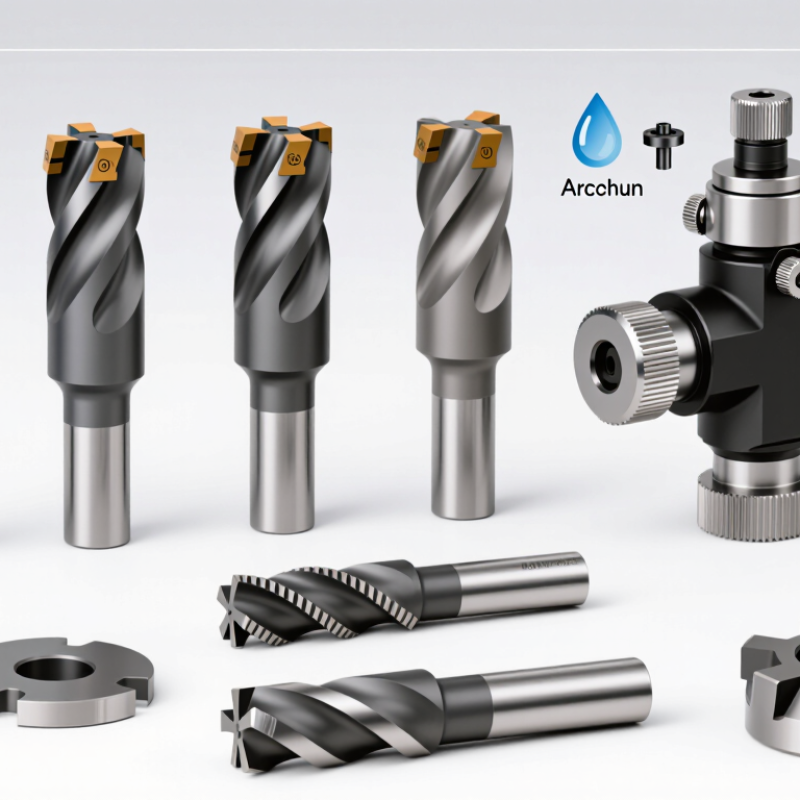
What a Chamfering Cutter Is and Where It Is Used
A chamfering cutter removes a sharp edge from a drilled, milled, or turned part. Its angled cutting edge creates a controlled bevel, often at 45 degrees. This small surface improves assembly, reduces burrs, and protects operators from razor-like edges. In production, cutters may be solid carbide, indexable, countersinking, or adjustable designs. The correct type depends on material, chamfer size, machine rigidity, and required surface quality.
Chamfering is common on holes, shafts, plates, gears, and machined housings. A technician may use one cutter to prepare a screw seat, then inspect the edge with a gauge or optical system. According to the International Federation of Robotics’ World Robotics 2024 report, 541,302 industrial robots were installed globally in 2023. More automated cells mean consistent edge preparation matters, especially before robotic assembly and inspection. However, automation does not remove judgment. A rigid cutter can damage thin aluminum, while an unsuitable geometry may create chatter in stainless steel.
Industry reports often connect CNC equipment growth with higher demand for repeatable tooling. Grand View Research has projected continued expansion in the global CNC machine market through the decade. That trend supports wider chamfering use, but market forecasts are not shop-floor guarantees. Actual results still depend on runout, feed rate, coolant, and tool wear. In practice, a trial cut remains valuable. A perfect catalog specification can still fail on a flexible fixture.
2026 Top Chamfering Cutter Types for Global Buyers - What a Chamfering Cutter Is and Where It Is Used
| Cutter Type | What It Is | Common Included Angle | Typical Workpiece Materials | Primary Uses | Machine Compatibility | Main Advantages | Key Buying Considerations |
|---|---|---|---|---|---|---|---|
| Single-Angle Chamfer Mill | A conical milling cutter with one primary cutting angle for producing a straight chamfer along an edge. | Commonly 30°, 45° or 60° | Aluminum, steel, stainless steel, brass, plastics and composites | Edge breaking, deburring, weld preparation and general chamfer milling | CNC machining centers, milling machines and some routers | Simple setup, broad application range and easy toolpath programming | Select the angle, cutting diameter, flute count, coating and shank size for the material and machine |
| Double-Angle Chamfer Mill | A cutter with cutting edges on both sides of the body, allowing two chamfer orientations or V-shaped machining. | Often 60°, 90° or 120° included forms | Carbon steel, alloy steel, cast iron, aluminum and non-ferrous alloys | V-grooves, countersinking, edge chamfers and angled features | CNC mills and conventional milling machines | Can perform more than one angled operation and may reduce tool changes | Check the included angle, usable cutting length, clearance and programming requirements |
| Countersink Cutter | A conical cutting tool designed to create a tapered seat around a drilled hole. | Commonly 60°, 82°, 90° or 100° | Aluminum, mild steel, stainless steel, brass and engineering plastics | Flush-fitting flat-head screws, hole deburring and screw-seat preparation | Drill presses, CNC mills, machining centers and hand-held drills for light work | Combines hole deburring with a controlled tapered seat | Match the angle and major diameter to the fastener standard and required screw head |
| Back-Chamfer Cutter | A specialized tool that machines a chamfer on the rear side of a through-hole or inaccessible edge. | Frequently 45°; other angles are available | Aluminum, steel, stainless steel, titanium and other machined alloys | Rear-edge deburring, back chamfering and preparation of cross-holes | CNC machining centers with suitable axial or radial tool access | Reaches features that standard chamfer mills cannot access from the front | Verify minimum hole diameter, tool reach, retraction clearance and spindle orientation |
| Indexable Chamfer Mill | A cutter body fitted with replaceable carbide inserts rather than permanently ground cutting edges. | Commonly 45° or 60°; configuration-dependent | Steel, stainless steel, cast iron, aluminum and nickel-based alloys | High-volume edge chamfering, heavy stock removal and repeat production | CNC machining centers and production milling machines | Replaceable inserts reduce regrinding needs and can lower downtime in production | Compare insert availability, insert grade, body diameter, runout and replacement cost |
| Solid Carbide Chamfer Mill | A one-piece cutter made from cemented carbide, usually ground with two or more flutes. | Commonly 30°, 45°, 60° or 90° | Hardened steels, tool steels, aluminum alloys, brass, plastics and composites | Precision chamfering, small-diameter features, engraving-style work and finishing | High-speed CNC mills and compact machining centers | High stiffness, good dimensional accuracy and strong wear resistance | Use correct cutting data, adequate runout control and suitable coolant or air blast |
| High-Speed Steel Chamfer Cutter | A cutter manufactured from high-speed steel, valued for toughness and relatively easy resharpening. | Commonly 45°, 60° or 90° | Mild steel, low-alloy steel, aluminum, brass and general workshop materials | Maintenance work, low-to-medium production and general-purpose machining | Drill presses, manual mills, lathes with driven tooling and CNC machines | Tougher than carbide in interrupted cuts and often economical for moderate speeds | Expect lower cutting speeds than carbide and select a suitable rake, relief and coating |
| Multi-Flute Deburring Chamfer Tool | A fine-edge tool optimized for removing burrs and producing a small, consistent edge break. | Usually 45° or 90° | Aluminum, copper alloys, plastics, mild steel and small machined parts | Hole deburring, edge conditioning and secondary finishing operations | CNC mills, drilling systems, machining centers and automated deburring cells | Smooth cutting action and efficient removal of light burrs | Avoid excessive radial engagement; confirm flute geometry and chip evacuation for the material |
| Adjustable or Modular Chamfer Tool | A tool system using adjustable blades, heads or interchangeable components to cover multiple diameters or profiles. | Typically 30°, 45° or 60° depending on the head | Steel, cast iron, aluminum and other industrial alloys | Flexible production, large parts and jobs requiring different chamfer sizes | CNC machining centers and specialized production equipment | One tool platform can support multiple applications and reduce inventory variety | Check adjustment accuracy, balancing, maximum speed, spare-part supply and setup repeatability |