CONTACT PHONE 816-380-4747
OPEN HOURS

Mon - Fri 8:00AM - 5:00PM Central

ADDRESS

1150 SE Hamblen Rd, Lee's Summit, MO 64081

7 Best Exterior Doors With Sidelights for Global Buyers

Choosing an exterior door affects more than a home’s appearance. It shapes daylight, privacy, energy comfort, security, and everyday access. For global buyers, the decision becomes more complex because climates, building styles, and installation practices vary widely.

A Door With Sidelights can brighten a dark entryway while creating a broader, more welcoming entrance. Clear glass suits modern homes, while frosted or textured glass offers better privacy. Fiberglass resists moisture and temperature changes, whereas solid wood provides warmth and character but needs regular care. Steel can deliver strong security, although poor finishing may lead to corrosion in coastal environments.

Small details matter. Check the door’s swing direction, frame depth, threshold height, and glazing quality before ordering. Look for weather seals that close evenly, especially in windy or rainy regions. Local installers can also confirm whether the selected dimensions fit existing construction standards. This step is easy to overlook.

The seven options in this guide represent different priorities, including durability, insulation, design flexibility, and price. They are not universal winners. A beautiful door may perform poorly in intense sun, and a highly secure model may feel too heavy for daily family use. Product claims should be compared with manufacturer specifications, warranty terms, and independent customer experiences.

Real homes rarely match showroom conditions. Dust, salt air, snow, and frequent use can expose weaknesses quickly. By examining these exterior doors through practical experience and careful research, buyers can make a more informed choice. The best entrance is not always the most impressive one. It is the one that continues working reliably after installation.
7 Best Exterior Doors With Sidelights for Global Buyers

What Are Exterior Doors With Sidelights?

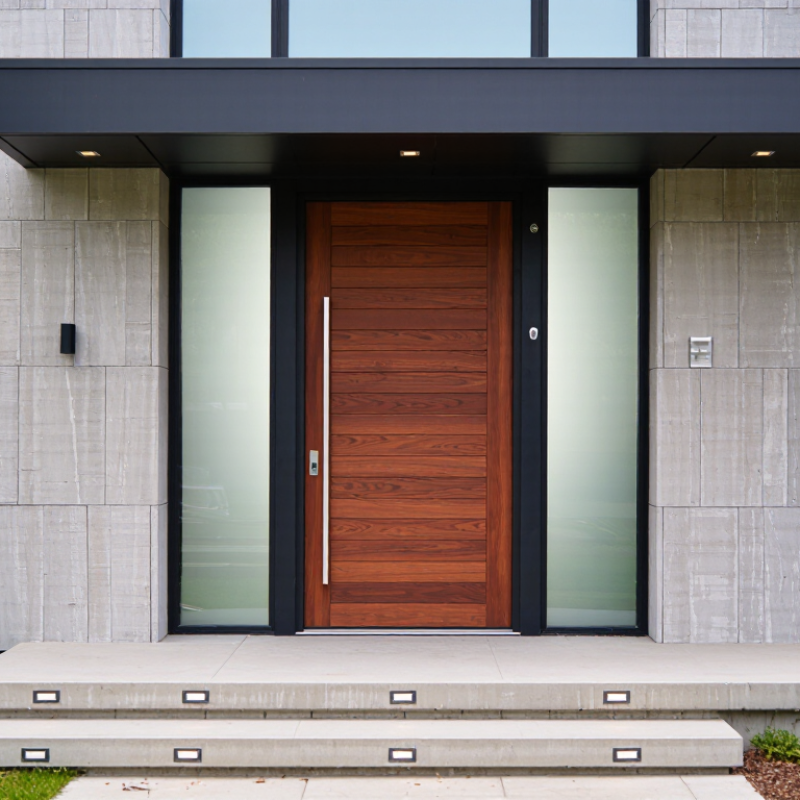
Exterior doors with sidelights combine a main entry door with narrow glazed panels fixed beside it. These panels may be full-height or limited to the upper section. They add daylight, improve exterior visibility, and make a compact entrance feel wider. A transom sits above the door, not beside it. That distinction matters during ordering and installation.

Sidelights behave like vertical windows, so their glass performance deserves careful attention. The U.S. Department of Energy reports that windows can account for 25–30% of residential heating and cooling energy use. A poorly specified sidelight may increase heat loss, glare, or unwanted solar gain. Check the NFRC label for U-factor and solar heat gain coefficient. Lower U-factor generally means better insulation. In hot regions, a lower SHGC can reduce indoor heat gain.

Glass type affects safety and comfort. Tempered or laminated glazing is commonly considered for impact resistance, while low-emissivity coatings can improve thermal performance. Local building rules still control the final choice. They vary by country and climate zone. Measure twice. A wider sidelight is not automatically better. In practical projects, I have seen attractive glass areas create privacy problems after installation. Frosted glass, internal blinds, or a higher opaque section may solve that issue. The most reliable design balances daylight, security, weather exposure, and replacement access rather than focusing on appearance alone.

7 Best Exterior Doors With Sidelights for Global Buyers - What Are Exterior Doors With Sidelights?

Rank Exterior Door Type Recommended Sidelight Layout Common Door Size Typical Sidelight Size Typical U-Factor Range Best For Main Advantages Key Considerations
1 Fiberglass Full-View Door with One Sidelight Single sidelight on the hinge side or handle side 914 × 2032 mm
(36 × 80 in)
305 × 2032 mm
(12 × 80 in)
0.20–0.35 Btu/h·ft²·°F Energy-conscious homes and bright entryways Resists moisture, warping, dents, and temperature changes; good insulation potential Large glass areas require safety glazing, suitable shading, and privacy planning
2 Insulated Steel Door with Narrow Sidelight One narrow sidelight beside the latch stile 914 × 2032 mm
(36 × 80 in)
203–305 × 2032 mm
(8–12 × 80 in)
0.15–0.30 Btu/h·ft²·°F Security-focused residential entrances High strength, stable dimensions, and generally lower purchase cost than solid wood Steel can dent or corrode if its protective coating is damaged; thermal bridging depends on construction
3 Solid Wood Door with Double Sidelights One matching sidelight on each side 914 × 2032 mm
(36 × 80 in)
305–457 × 2032 mm
(12–18 × 80 in)
0.35–0.60 Btu/h·ft²·°F Traditional, luxury, and heritage-style properties Natural appearance, repairable surface, and broad design flexibility Needs regular sealing or painting; moisture exposure can cause swelling or movement
4 Fiberglass Craftsman Door with Rectangular Sidelight One sidelight aligned with the upper glass panel 914 × 2032 mm
(36 × 80 in)
305 × 2032 mm
(12 × 80 in)
0.20–0.35 Btu/h·ft²·°F Suburban houses and transitional architectural styles Wood-like appearance with lower maintenance and good weather resistance Surface texture and color options vary; glass privacy levels should be specified before ordering
5 Half-Glass Steel Door with One Sidelight One full-height sidelight paired with a half-glass door 914 × 2032 mm
(36 × 80 in)
305 × 2032 mm
(12 × 80 in)
0.20–0.40 Btu/h·ft²·°F Practical family entrances and utility-facing entrances Combines daylight, durability, and relatively simple maintenance Confirm that the glass is tempered or laminated where required by local building regulations
6 Insulated Wood-Clad Door with Double Sidelights Two symmetrical sidelights for a wide formal opening 914 × 2032 mm
(36 × 80 in)
305–457 × 2032 mm
(12–18 × 80 in)
0.25–0.50 Btu/h·ft²·°F Cold, wet, or highly variable climates where appearance matters Interior wood appearance with an exterior layer designed for improved weather resistance Higher cost and greater installation complexity; inspect exterior joints and finishes periodically
7 Thermally Broken Aluminum-Glass Door with Sidelight One wide sidelight or a matching glazed pair 914 × 2032 mm
(36 × 80 in)
305–610 × 2032 mm
(12–24 × 80 in)
0.25–0.45 Btu/h·ft²·°F Modern buildings, coastal areas, and contemporary façades Slim sightlines, corrosion-resistant finishes, and extensive glass area Verify thermal-break quality, drainage design, corrosion rating, and local wind-load requirements
Buying note: An exterior door with sidelights is a main entrance door combined with one or more fixed glazed panels installed beside the door slab. The U-factor figures above are indicative ranges for complete door-and-glazing assemblies; actual performance depends on the frame, glazing, weather seals, installation quality, and local certification method. Confirm structural opening dimensions, safety-glazing rules, wind-load requirements, accessibility standards, and energy codes before purchase.

Key Factors for Choosing an Exterior Door with Sidelights

Choosing an exterior door with sidelights starts with climate, orientation, and daily use. The International Energy Agency reports that buildings consume roughly 30% of global final energy. Small envelope decisions still matter.

Check the door’s U-factor, SHGC, and air-leakage rating. Lower U-factor usually means better insulation. SHGC shows how much solar heat enters through the glass. The U.S. Department of Energy estimates windows cause 25–30% of residential heating and cooling energy use, so sidelights deserve careful attention. NFRC labels provide comparable performance data, although local testing rules may differ. Verify the required standard before ordering.

Security needs equal attention. Choose laminated or tempered glazing, multi-point locking, reinforced hinges, and a strong frame. The sidelights should not create an easy reach-through path to the lock. I prefer narrow glass panels near exposed entrances. Wider panels add daylight, but they may reduce privacy and increase heat gain. That trade-off is easy to overlook.

Measure the rough opening, sill height, wall depth, and swing clearance twice. A beautiful door can still fail after poor installation. Use compatible flashing and a continuous weather seal around the frame. Accessibility also matters; review local threshold and clear-width requirements. I would not select the largest sidelight simply for appearance. More glass is not always better. retrofit reports often show installation quality influencing performance more than product labels alone.

Seven Top Exterior Door and Sidelig​ht Configurations

Seven Top Exterior Door and Sidelight Configurations

Exterior door design is not only about curb appeal. It controls daylight, entry width, privacy, and air leakage. Seven useful configurations include a single door with two narrow sidelights, a single door with one sidelight, an asymmetric sidelight layout, a double door with two sidelights, a full-glass door with slim sidelights, a solid door with frosted sidelights, and a low-threshold accessible entry system. Each arrangement suits a different facade and climate.

The U.S. Energy Information Administration’s 2020 Residential Energy Consumption Survey reports that space heating used about 42% of household energy. A poorly sealed entry can therefore undermine comfort, especially in cold regions. The U.S. Department of Energy recommends checking door U-factor, air leakage, and weatherstripping quality. The National Fenestration Rating Council also advises comparing certified ratings rather than judging glass by appearance. Wider sidelights bring more daylight, but they can reduce privacy and increase heat gain. My practical preference is the asymmetric layout. It feels balanced without looking oversized. Still, it may not work beside narrow corridors.

Tips: Match the sidelight glass to the room’s exposure. Use low-emissivity glazing for strong sun, laminated glass for busy entrances, and textured glass for privacy. Confirm the rough opening before ordering. Small measurement errors become expensive quickly. A beautiful configuration can still fail when the frame is not square.

How Climate, Security, and Building Codes Affect Global Buyers

7 Best Exterior Doors With Sidelights for Global Buyers

Climate changes how an exterior door performs long after installation. In coastal areas, salt air can corrode hardware and weaken exposed finishes. Choose corrosion-resistant hinges, sealed joints, and drainage paths around the frame. Heavy rain also tests the sill, especially when wind pushes water upward.

Cold regions need insulated cores, low-conductivity frames, and properly sealed glass. Otherwise, condensation may form along the sidelight edge. Hot climates benefit from solar-control glazing, shaded entries, and light-colored surfaces. In storm-prone zones, confirm the complete door assembly’s wind rating, not just the glass rating. A beautiful sidelight can still fail when the frame flexes.

Security depends on the whole entrance. Laminated glass can delay forced entry better than ordinary glass, while privacy glazing limits visibility into the home. Reinforced strike areas, protected hinges, and a multi-point lock may improve resistance. Building codes remain decisive. Local rules can control glass safety, opening direction, fire separation, threshold height, energy performance, and accessible clearances. Requirements differ between cities, even within one country. Ask a licensed local professional to verify permits and measurements before ordering. Small errors matter. A sidelight that fits one standard opening may create costly changes elsewhere. Field checks should include wall thickness, floor levels, drainage, and emergency access. No single specification works everywhere.

Installation, Maintenance, and Long-Term Value Considerations

Installing an exterior door with sidelights requires accurate measuring, drainage planning, and careful air sealing. The rough opening must allow consistent clearance around the frame. A small error can create uneven gaps, sticking, or water intrusion. Professional installers should verify plumb, level, sill support, and flashing before fastening the unit. The U.S. Department of Energy reports that air leakage can represent 25–40% of household heating and cooling energy use. Therefore, low-expansion foam and durable weatherstripping are practical long-term investments.

Maintenance differs by material and climate. Fiberglass usually needs limited upkeep, while timber requires regular inspection, repainting, and moisture protection. Steel can offer strong security, but damaged coatings may expose it to corrosion. Sidelight glass also deserves attention. Check seals for fogging and inspect the frame after severe weather. The National Fenestration Rating Council recommends comparing U-factor and solar heat gain performance, especially for homes facing intense sunlight. A lower-rated door may look attractive initially, yet replacement costs can erase the early savings.

Tips: Confirm local wind, rain, and thermal requirements before ordering. Use corrosion-resistant hardware near coasts. Clean drainage channels twice yearly. Do not ignore minor drafts; they often become expensive repairs. The International Energy Agency states that buildings consume about 30% of global energy. Door performance matters, though installation quality is sometimes the overlooked weakness.