Mon - Fri 8:00AM - 5:00PM Central
1150 SE Hamblen Rd, Lee's Summit, MO 64081
High early strength concrete has gained significant popularity in the construction industry. This material offers numerous advantages for projects that require quick turnaround times. According to the American Concrete Institute, it can reach compressive strength in as little as 1-3 days, compared to traditional concrete that may take weeks. This rapid strength development allows for reduced construction time and costs.
Many construction professionals are witnessing the benefits of high early strength concrete firsthand. For instance, projects under tight deadlines can continue without delays. However, it is essential to consider that not all applications may require this type of concrete. Overuse can lead to potential issues like shrinkage and cracking if not managed correctly.
Moreover, while the initial cost may be higher, the long-term benefits often justify the investment. Reports indicate a growing demand for these materials, reflecting their crucial role in modern construction practices. Ensuring quality control and proper application remains vital to maximizing benefits and minimizing risks. Though high early strength concrete offers clear advantages, reflective assessments of its use are necessary for optimal outcomes.
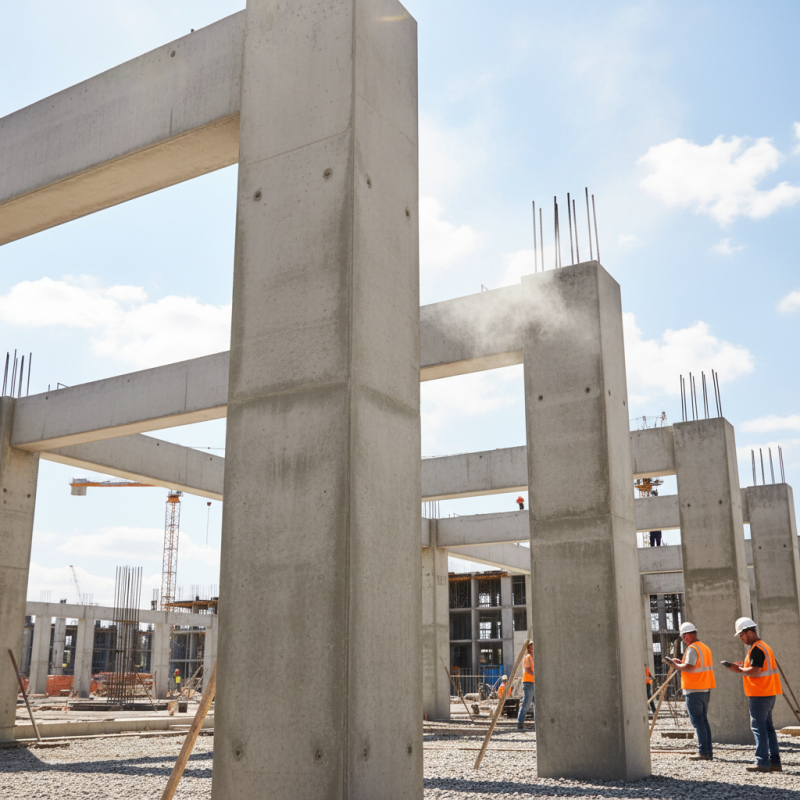
High early strength concrete (HESC) is a unique material known for its rapid strength gain. This type of concrete is formulated to achieve significant strength in a short time, often within a few days. One of its key properties is the use of special cement blends and additives. These enhancements allow for quick-setting, which can speed up construction timelines.
Many construction projects benefit from HESC. For example, road repairs and bridge constructions often require fast curing times. Using HESC can minimize downtime, allowing roads to reopen sooner. However, the initial costs might be higher. Some projects may not see immediate returns on investment. It's essential to evaluate whether the benefits justify the price tag.
Another important aspect is the potential challenges with workability. HESC can be less workable than traditional concrete. This might lead to difficulties during mixing and placement. Workers need training to handle HESC properly. Overall, while the properties of high early strength concrete offer impressive advantages, it requires careful consideration and planning.
| Benefit | Description | Application |
|---|---|---|
| Rapid Strength Gain | Achieves high strength in a short period, often within the first 24-48 hours. | Ideal for fast-track construction and precast applications. |
| Reduced Construction Time | Allows earlier formwork removal and faster project completion. | Useful in bridge and high-rise construction where time is critical. |
| Increased Durability | Higher early strength often correlates with long-term durability. | Suitable for harsh environmental conditions. |
| Improved Workability | Enhanced flow properties, making it easier to mix and place. | Ideal for intricate designs and high-density castings. |
| Cost-Effective | Reduces the overall project cost due to shorter timelines and lower labor costs. | Great for budget-limited projects requiring quick completion. |
| Versatility | Used in a variety of applications from residential to industrial. | Applicable for various structures including pavements and slabs. |
| Enhanced Bonding | Better adhesion properties with reinforcement materials. | Critical in multi-layer constructions. |
| Optimal Performance Under Load | Maintains performance under early loading conditions. | Perfect for projects needing quick load-bearing capabilities. |
| Sustainability | Lower carbon footprint due to reduced fuel consumption in construction. | Aligns with green construction practices. |
| Resistance to Environmental Factors | Tends to perform better against freeze-thaw cycles and chemical attacks. | Suitable for infrastructure exposed to harsh conditions. |
High early strength concrete (HESC) offers notable advantages in construction projects. It allows for quicker project timelines. According to the American Concrete Institute, using HESC can lead to a strength gain of over 50% in just 24 hours. This rapid setting reduces the necessity for extended curing times. Consequently, projects can move to the next phase faster. This efficiency is essential in fast-paced construction environments.
Additionally, HESC enhances safety on job sites. Workers can utilize the concrete sooner, minimizing the time they spend around potentially dangerous scaffolding and forms. High early strength also improves weather resilience during construction. According to a report from the National Ready Mixed Concrete Association, structures built with HESC are more likely to withstand adverse weather conditions early in the curing process.
However, there are some considerations. High early strength may come at a higher cost compared to standard concrete mixes. Moreover, improper mixing can lead to issues like thermal cracking. It is crucial to maintain specific temperature controls during the curing process. Awareness of these potential pitfalls can enhance project outcomes while effectively leveraging the strengths of HESC.
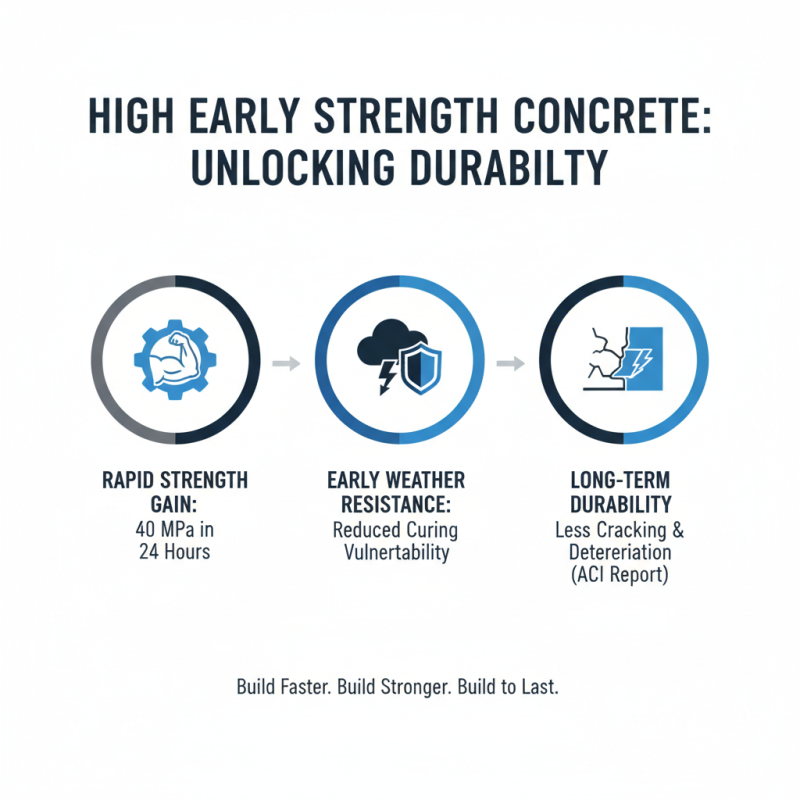
High early strength concrete (HESC) offers impressive durability benefits that many construction professionals overlook. With a compressive strength reaching up to 40 MPa within just 24 hours, it sets a new standard in concrete technology. This rapid strength gain allows structures to face harsh weather conditions sooner, reducing the risk of damage during the curing phase. According to a report by the American Concrete Institute, this concrete type demonstrates a significant reduction in cracking and deterioration over time.
HESC protects against freeze-thaw cycles effectively. Studies show that structures utilizing high early strength concrete can last up to 50% longer than those using traditional mixes. This increased lifespan is crucial for preventing costly repairs and ensuring safety. Many engineers recommend HESC for projects in regions with extreme weather variations.
**Tip:** For best results, ensure proper mixing and curing practices are followed. A well-prepared mix ensures the concrete achieves its high early strength potential.
While HESC has undeniable benefits, it requires careful handling. It may be more challenging to work with due to its quick setting time. This can lead to difficulties in achieving the desired finish and proper placement. Regular training for workers is essential to mitigate these issues and enhance performance.
**Tip:** Always conduct a slump test before pouring. This prevents potential problems with workability.
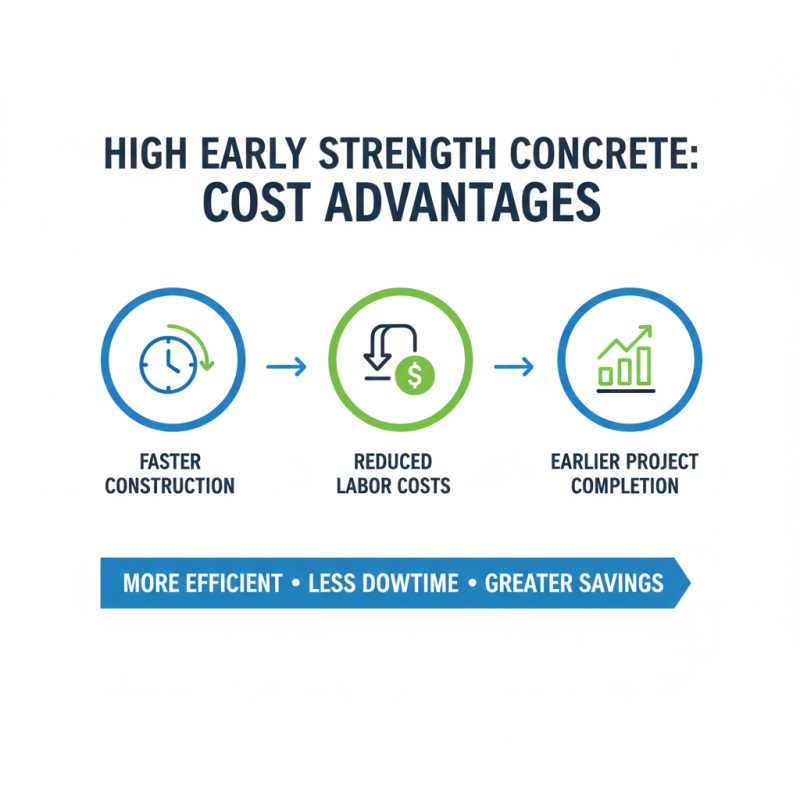
High early strength concrete offers significant cost advantages in infrastructure projects. It allows for faster construction timelines, which can reduce overall labor costs. This type of concrete reaches its desired strength much earlier than traditional mixes. As a result, workers can resume subsequent construction phases sooner. This rapid progress minimizes downtime, leading to savings that can be redirected into other project areas.
Implementing high early strength concrete can also reduce repair costs. Projects that might face delays due to curing time or environmental factors can be completed ahead of schedule. However, there are challenges involved. Sourcing the right materials for this concrete can sometimes lead to unexpected expenses. Additionally, not all projects benefit equally from its use. In certain cases, a careful assessment is necessary to determine if the potential savings outweigh the initial investment.
High early strength concrete (HESC) has gained traction in various construction applications due to its rapid strength development. Projects requiring quick turnaround benefit significantly from this material. According to a report by the American Concrete Institute, structures using HESC can gain sufficient strength for formwork removal in as little as 24 hours.
In road construction, HESC enables faster reopening times for traffic. This efficiency reduces interruptions, which is crucial in densely populated areas. Interestingly, a study revealed that using HESC can cut project timelines by up to 30%. This is particularly beneficial in bridge construction, where rapid strength development allows for quicker completion and lower disruption to commuters.
However, the use of high early strength concrete is not without challenges. The increased cement content can lead to higher costs. Furthermore, improper mixing can result in inconsistent quality. A balance is required to ensure that benefits do not come at the expense of structural integrity. Monitoring and quality control are essential to mitigate these issues. In conclusion, while HESC offers significant advantages, careful consideration is crucial for optimal outcomes.
This chart illustrates the top 10 benefits of High Early Strength Concrete, scored from 0 to 100 based on their impact in construction projects. The benefits include faster construction times, increased durability, reduced labor costs, and much more, showcasing the versatility and effectiveness of high early strength concrete in various applications.