Top 10 Benefits of Using a Wood Cutting Board for Cooking
In a culinary world teeming with options, the choice of a Wood Cutting Board remains paramount. Industry reports show that nearly 70% of professional chefs prefer wood over plastic alternatives. Wood cutting boards not only provide a natural surface that is gentle on knives but also possess antimicrobial properties. The USDA found that wood surfaces can be safer than plastic, with negligible bacteria levels when properly maintained.
Despite these advantages, some chefs overlook wood cutting boards due to misconceptions about maintenance. A well-cared-for wood board can last a lifetime, developing a rich patina with use. This longevity contrasts starkly with plastic boards that wear down quickly and can harbor harmful bacteria in grooves. The aesthetic appeal of a wood cutting board cannot be overstated either; it enhances the beauty of any kitchen setting.
Moreover, different wood types offer unique benefits. Hardwoods like maple and cherry are known for their durability, while softer woods provide a more forgiving surface for knife edges. Choosing the right wood cutting board requires consideration and, at times, reflects a chef’s personal journey in the kitchen. Embracing a wood cutting board is not just a choice; it's a commitment to enhancing your culinary experience.
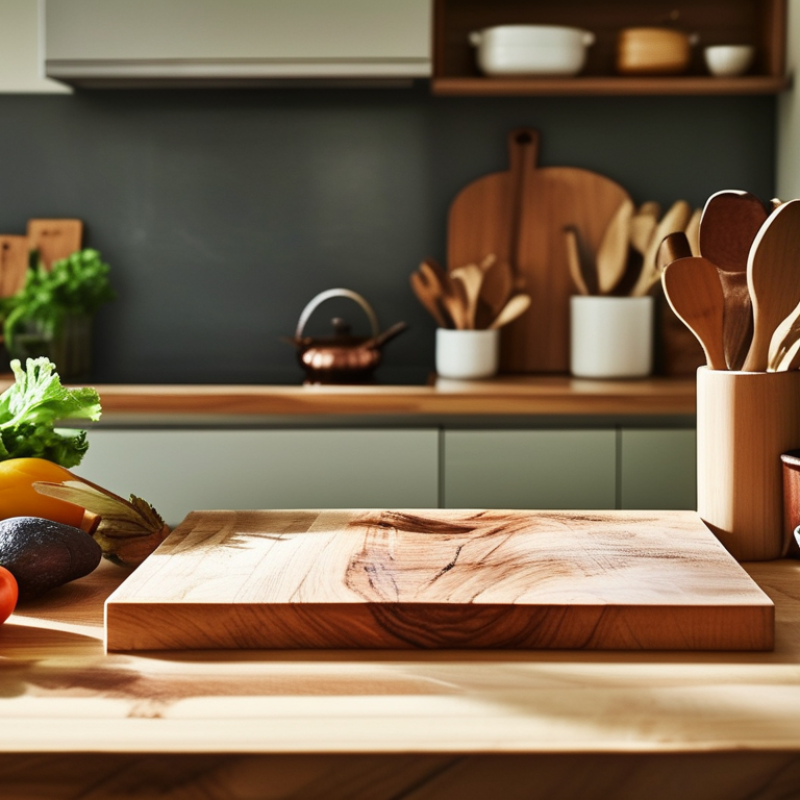
Benefits of a Wooden Cutting Board for Knife Durability
Using a wooden cutting board can significantly impact the durability of your knives. Unlike glass or plastic boards, wood provides a softer surface. When you cut on wood, the blade edges receive a gentle impact. This reduces the chances of chipping and dulling. As a result, your knives can maintain their sharpness longer, which saves you time in the kitchen.
Moreover, wood has a natural ability to self-heal. Tiny grooves made by knife cuts tend to close up over time. This characteristic means less wear and tear on the blades. However, not all wood is created equal. Choosing the right type of wood is essential. Some woods like maple or walnut are known for their resilience and durability. Investing in high-quality wood can make a noticeable difference.
It’s important to acknowledge that wooden boards require care, too. They need regular oiling to stay hydrated and avoid cracking. Some people find this maintenance tedious, but it’s essential for longevity. Despite the work involved, many chefs appreciate the longevity and performance wooden boards provide for their knives. Each slice and chop becomes an opportunity to maintain this balance of beauty and functionality.
Top 10 Benefits of Using a Wood Cutting Board for Cooking - Benefits of a Wooden Cutting Board for Knife Durability
| Benefit | Description | Impact on Knife Durability |
| Gentler on Knives | Wood cutting boards are less abrasive compared to plastic or glass options. | Reduces edge dulling, prolonging knife sharpness. |
| Natural Self-Healing | Wood fibers can close up after knife cuts, maintaining board integrity. | Minimizes damage to knife blades during use. |
| Reduced Bacterial Growth | Wood has natural antimicrobial properties. | Safer for cutlery and reduces contamination risks. |
| Aesthetic Appeal | Wooden boards add a rustic charm to kitchens. | Visually enhances the presentation of knife skills. |
| Durability | High-quality wood boards can last for years with proper maintenance. | Sustains knife performance over time. |
| Versatile Usage | Can be used for cutting, serving, and presentation. | Protects the blade while serving various food items. |
| Eco-Friendly Choice | Sustainable sourcing of wood options available. | Saves resources and maintains knife integrity healthily. |
| Maintenance | Easier maintenance compared to synthetic boards. | Keeps knives in good shape with proper care. |
| Noise Reduction | Wood cutting boards tend to be quieter when cutting. | Reduces impact stress on knife blades. |
| Unique Patterns | Each wooden board comes with its unique grain and pattern. | Enhances the character of the knife as well. |
Impact on Food Safety and Hygiene with Wood Boards
Using a wood cutting board can significantly enhance food safety and hygiene in your kitchen. Research shows that wood possesses natural antibacterial properties. Certain types of wood, like maple and oak, are particularly effective in preventing bacterial growth. Cutting on wood can help reduce the risk of cross-contamination.
Wood has a unique ability to heal itself. Small cuts and scratches in the surface close up over time, making it less likely for bacteria to linger. This characteristic is in contrast to plastic boards, which can harbor bacteria in deep grooves. Regular maintenance, such as oiling, can further enhance the board's hygiene.
Moreover, using a wooden board encourages mindful cooking. The tactile experience of chopping and slicing on wood can promote better preparation practices. While wood boards may not be dishwasher safe, easy cleaning with hot water and mild soap suffices. Reflecting on your habits can lead to healthier choices in the kitchen.
Top 10 Benefits of Using a Wood Cutting Board for Cooking
Sustainability and Eco-Friendliness of Wooden Cutting Boards
Wooden cutting boards are celebrated for their sustainability and eco-friendliness. When compared to plastic boards, wooden alternatives have a smaller carbon footprint. A report from the Forest Stewardship Council suggests that sustainably sourced wood can absorb carbon dioxide, playing a vital role in combatting climate change. Choosing a wooden board means supporting responsible forestry and a healthier planet.
A notable concern with plastic cutting boards is their long degradation period. Studies indicate that some plastics can take hundreds of years to decompose. In contrast, wood remains biodegradable and can decompose naturally, helping to reduce waste. This shift towards wood is a minor but impactful choice. Every small decision counts towards sustainability in the kitchen.
Using wooden boards offers a unique connection to nature and food. They are often crafted from renewable resources, making them a practical option. However, improper care can lead to issues like warping or bacteria growth. Regular oiling and proper sanitation are essential for longevity. Embracing wooden cutting boards requires both responsibility and respect for natural materials, providing us with quality while nurturing the environment.
Aesthetic Appeal and Kitchen Style Enhancement with Wood
Wood cutting boards are more than just tools; they are also beautiful additions to any kitchen. The natural grains and warm tones of wood enhance the overall aesthetic appeal. They can complement various kitchen styles, from rustic to modern. A well-crafted wood cutting board draws the eye and adds a touch of elegance. Many chefs prefer wood for its warmth and character, making food preparation feel more personal.
When choosing a wood cutting board, consider how it fits your kitchen decor. Light woods like maple can brighten your space, while darker woods like walnut add sophistication. Remember that a cutting board can serve as a serving platter too. You might display cheeses, fruits, or artisanal bread, creating a welcoming atmosphere for guests.
Tip: To maintain the beauty of your cutting board, clean it with mild soap and water, then dry it immediately. Avoid soaking it in water, as this can cause warping. Oil the board periodically to keep it nourished and prevent cracking. Imperfections can add character, but proper care will extend the life of your board, allowing you to enjoy its aesthetic for years to come.
Maintenance and Longevity of Wooden Cutting Boards Compared to Others
Wooden cutting boards are known for their durability and aesthetic appeal in the kitchen. When it comes to maintenance, they require specific care to ensure longevity. Regular oiling with food-safe mineral oil is essential. This helps prevent cracking and drying, which can occur if the wood is left untreated. The grains of the wood work well in absorbing knife marks, minimizing the risk of bacteria harboring on the surface.
Compared to plastic boards, wooden options can also be more forgiving. They have a natural antibacterial property that inhibits the growth of harmful microbes. However, they are not invulnerable. Improper washing or soaking can lead to warping or mildew. It’s vital to wash them quickly and dry them immediately. This practice will help maintain their beauty and functionality over time.
While they offer great endurance, wooden boards are not completely maintenance-free. They may need sanding to smooth out deep cuts and scratches. This process can be time-consuming and requires some skill. Despite these challenges, the effort put into caring for a wooden cutting board can lead to a rewarding cooking experience. The tactile feedback and subtle beauty of wood enhance food preparation.
