Mon - Fri 8:00AM - 5:00PM Central
1150 SE Hamblen Rd, Lee's Summit, MO 64081
The use of Galvanized Steel Angle Bars in construction and manufacturing has gained significant attention in recent years. According to a report by the Metal Construction Association, the demand for galvanized steel products is projected to grow by 4.6% annually through 2025. This growth reflects the industry's shift towards durable and corrosion-resistant materials.
Expert John Miller, a structural engineer with over 20 years of experience, emphasizes the advantages of using Galvanized Steel Angle Bars. He states, "These bars provide excellent structural support while resisting corrosion, making them ideal for harsh environments." The unique properties of galvanized steel increase their lifespan, contributing to long-term cost savings.
However, while the benefits are clear, challenges exist. Some manufacturers face hurdles in ensuring consistent galvanization quality. A lack of industry-standard practices can lead to performance issues. Therefore, understanding the benefits and limitations of Galvanized Steel Angle Bars is crucial for making informed decisions in construction and design.
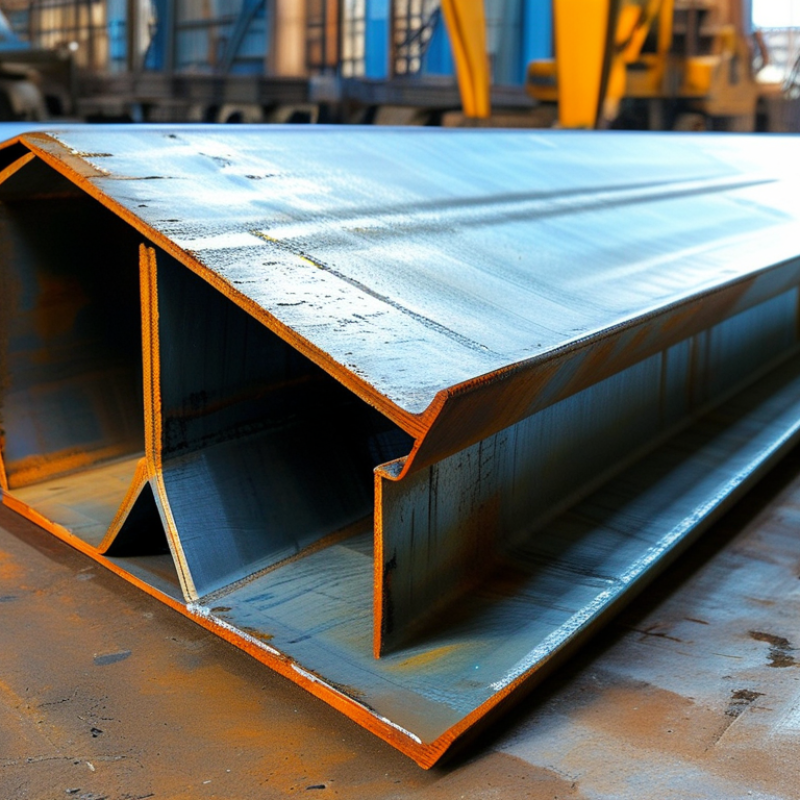
Galvanized steel angle bars are essential in construction and manufacturing sectors. These bars feature a protective zinc coating that guards against rust and corrosion. According to the American Galvanizers Association, galvanized steel can last up to 70 years in various environments. This longevity makes it a cost-effective choice for projects requiring durability.
In addition to corrosion resistance, galvanized steel angle bars are reliable for structural support. Their L-shaped design provides strength and stability, which is vital in building frames and machinery. A report from the World Steel Association indicates that steel's high tensile strength allows for thinner designs without compromising strength. Many engineers choose galvanized steel for its safe and sustainable properties.
While galvanized steel angle bars offer many benefits, some challenges exist. The welding process can be more complicated due to the zinc coating, which requires specific techniques. Additionally, the initial investment might be higher than non-galvanized options. Yet, the long-term benefits often outweigh these initial hurdles, leading to significant savings over time.
Galvanized steel angle bars offer significant corrosion resistance due to their protective zinc coating. This coating prevents moisture and corrosive elements from reaching the underlying steel. In many environments, galvanized steel can last up to 50 years, depending on the severity of exposure. According to the American Galvanizers Association, galvanized coatings can withstand harsh conditions in various climates. This longevity reduces the need for frequent replacements, ultimately leading to cost savings over time.
The effectiveness of galvanized steel in preventing rust is evident in several case studies. For example, structures in coastal areas show a stark contrast between galvanized and non-galvanized steel. Non-galvanized steel often exhibits visible rust within months, while galvanized counterparts remain intact for years. This performance underscores the value of investing in galvanized steel angle bars for construction and industrial applications.
While galvanized steel is highly durable, it is not completely immune to corrosion. Factors such as environmental conditions can affect its lifespan. Areas with high chloride exposure may experience localized corrosion, signaling the need for additional protective measures. Understanding these nuances is essential for making informed decisions in material selection.
Galvanized steel angle bars are essential in the construction industry. These materials are treated with a zinc coating to prevent rust and corrosion. This characteristic makes them ideal for long-lasting structures. Industry reports indicate that galvanized steel products can last up to 50 years under various conditions. This longevity adds significant value to construction projects.
In the realm of construction, galvanized steel angle bars serve multiple purposes. They are commonly used in building frames, supports, and braces. Their structural strength allows them to bear heavy loads, making them vital for safety. Data from the American Institute of Steel Construction shows that properly designed steel structures can enhance a building's integrity. However, while angle bars are reliable, they can be more expensive than non-galvanized options. This raises questions about budget allocation, especially in large-scale projects.
Another consideration is the installation process. While galvanized steel is relatively easy to work with, improper handling can lead to surface damage. This can compromise the protective zinc layer. Ensuring that workers are trained in best practices is critical to maintaining the integrity of the materials. Despite these challenges, the benefits of using galvanized steel angle bars in construction often outweigh the drawbacks. The enduring strength and resistance to the elements make them a smart choice for builders and architects.
Galvanized steel angle bars are known for their cost-effectiveness and durability. Their ability to resist rust and corrosion makes them a popular choice in various applications. This means fewer replacements over time, which saves money on both materials and labor. Moreover, the initial investment often pays off.
Durability is a key factor. Galvanization provides a protective layer that extends the life of steel. These angle bars can withstand harsh weather and heavy loads. However, they are not invincible. Improper installation can lead to vulnerabilities. Regular maintenance is still essential to ensure longevity.
The versatility of galvanized steel angle bars adds to their appeal. They can be used in construction, manufacturing, and even furniture-making. Yet, one must consider the environmental impact of production. Finding a balance between cost and sustainability is important. Making informed choices will lead to better outcomes for both projects and the planet.
When considering galvanized steel angle bars, maintenance is a crucial factor. These bars are coated with a layer of zinc, which provides excellent corrosion resistance. However, they aren't immune to wear and tear. Regular inspection is essential to identify any signs of rust or damage. Small chips in the coating can expose the metal beneath. If left unaddressed, this can lead to significant deterioration over time.
Cleaning is another aspect of maintenance. It's advisable to wash these bars periodically with mild soap and water to remove any dirt or debris. Avoid abrasive materials that may scratch the surface. Nonetheless, some users neglect this simple step, which can cause vulnerabilities. Additionally, storing angle bars in a dry, sheltered location prolongs their lifespan and enhances performance.
While galvanized steel angle bars offer robust strength and durability, they also require thoughtful upkeep. It's important to assess the environment where these bars are used. High humidity or salinity can accelerate corrosion, even with zinc protection. Being proactive can prevent unnecessary repairs or replacements in the long run.
| Benefit | Description | Maintenance Consideration | Frequency |
|---|---|---|---|
| Corrosion Resistance | Galvanized steel is coated with zinc, preventing rust and corrosion. | Visual inspection for damage to the coating. | Annually |
| Durability | Resistant to wear and tear, suitable for structural applications. | Check for structural integrity and signs of fatigue. | Every 2 years |
| Low Maintenance | Requires minimal upkeep compared to untreated steel. | Clean debris and dirt from surfaces. | Every 6 months |
| Cost-Effectiveness | Long lifespan reduces replacement costs. | Budget for periodic inspection and potential repairs. | Annually |
| Versatility | Can be used in various construction and manufacturing applications. | Ensure compatibility with other materials and environmental conditions. | As needed |
