CONTACT PHONE 816-380-4747
OPEN HOURS

Mon - Fri 8:00AM - 5:00PM Central

ADDRESS

1150 SE Hamblen Rd, Lee's Summit, MO 64081

7 Best Polyester Concrete Solutions for Global Buyers?

Polyester concrete is moving from a specialist repair material toward a practical option for infrastructure, industrial floors, drainage channels, and bridge maintenance. Its value is clear: fast curing, strong chemical resistance, and reliable adhesion to prepared substrates. The details still matter more than the label.

Grand View Research reports continued growth in the wider polymer concrete market, driven by infrastructure rehabilitation and demanding industrial environments. MarketsandMarkets also identifies corrosion resistance and rapid installation as important demand factors. These reports generally group polyester concrete with other polymer systems, however. Their figures are useful, but not perfectly specific.

Dr. C. Vipulanandan, a recognized researcher in polymer concrete and infrastructure materials, has emphasized: “Polymer concrete can be tailored to meet specific performance requirements.” That principle should guide global purchasing decisions. A cold-storage floor needs different resin behavior than a sewer channel or bridge deck.

Performance comes first.

The best solution depends on aggregate grading, resin formulation, moisture conditions, curing temperature, and site preparation. A cheaper product may fail after repeated wetting, thermal movement, or chemical exposure. That risk is easy to underestimate.

This guide examines seven polyester concrete solutions for international buyers. It compares repair mortars, precast components, industrial flooring systems, drainage products, and customized formulations. Each option deserves evidence, not promotional language. Buyers should request test methods, batch records, installation guidance, and documented resistance data.

Some supplier claims remain difficult to compare. That is an industry weakness. Still, careful specifications and independent testing can reduce uncertainty before containers leave the factory.
7 Best Polyester Concrete Solutions for Global Buyers?

What Is Polyester Concrete and Where Is It Used?

Polyester concrete is a polymer concrete made from graded aggregates and polyester resin, rather than Portland cement alone. The resin binds the aggregate and forms a dense, fast-curing material. It is not ordinary concrete. ASTM C579 commonly guides compressive-strength testing for polymer concrete, while ASTM C881 helps evaluate resin systems used in repairs.

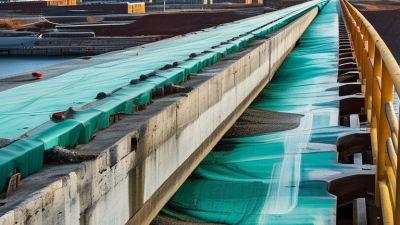
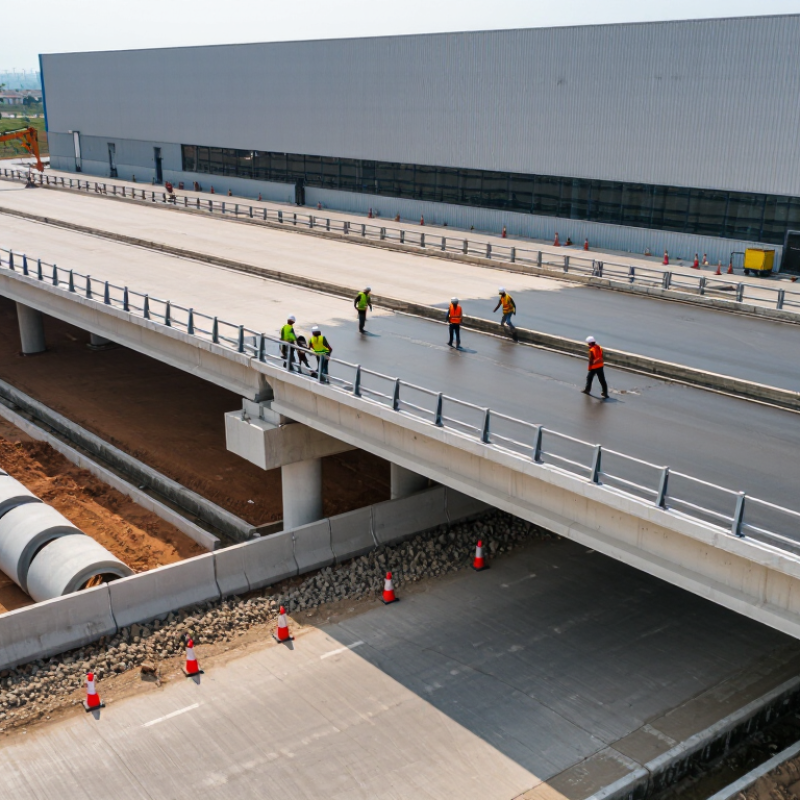
Its main value appears in demanding repair zones. Contractors use it for bridge-deck overlays, drainage channels, utility trenches, industrial floors, manholes, and precast components. Polyester concrete can resist water penetration, deicing chemicals, and repeated traffic loads when properly designed. The Federal Highway Administration’s 2023 National Bridge Inventory reported more than 42,000 U.S. bridges in poor condition. This pressure increases interest in rapid repair systems that reduce lane closures. Fast curing matters.

Global buyers should examine aggregate grading, resin chemistry, moisture limits, installation temperature, and tested bond strength. ACI 548 guidance emphasizes proportioning, surface preparation, curing, and quality control for polymer materials. Field experience shows a hard truth: poor substrate cleaning can defeat expensive resin. The material is not magic. Some specifications also highlight strength while overlooking thermal movement and long-term fatigue. Buyers should request independent test results, project references, and performance data from comparable climates before approving a system.

Seven Leading Polyester Concrete Solutions for International Buyers

Seven leading polyester concrete solutions now serve international buyers: rapid bridge-deck overlays, factory-made drainage channels, industrial floor repairs, trench drains, manhole rehabilitation, precast joint systems, and emergency patching compounds. Each uses polyester resin to reduce water absorption and accelerate curing.

FHWA technical evaluations report that some polymer-concrete overlays can reopen to traffic within approximately two to four hours, depending on temperature, moisture, and mix design. That speed matters at airports, warehouses, and busy roads.

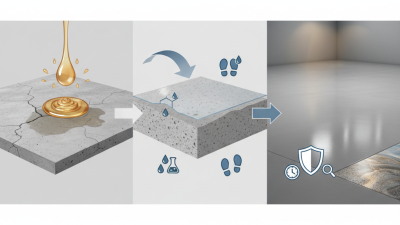
Performance still depends on details. ACI 548.6R guidance emphasizes surface preparation, resin compatibility, aggregate grading, and temperature control. Poor preparation remains a common failure point.

Buyers should request compressive-strength, bond-strength, abrasion, and chemical-resistance results under ASTM or EN methods. Some tested polyester systems exceed 70 MPa in compressive strength, but published values vary widely. Do not compare numbers blindly. For coastal projects, low permeability and freeze-thaw resistance deserve priority; for factories, forklift impact and chemical exposure matter more. Factory-made channels may reduce installation errors, while repair mortars suit uneven sites. The choice is rarely obvious. Shipping distance, local technicians, curing conditions, and replacement access can change the best solution. A technically strong product may still perform poorly when workers rush mixing or ignore moisture limits.

How to Compare Performance, Cost, and Application Suitability

Polyester concrete is not one universal product. Global buyers should compare resin content, aggregate grading, compressive strength, tensile bond, and curing time. Request test values at 23°C and after water exposure. Conditions change. Seven practical solution groups include crack repair mortar, rapid patching compound, thin overlay, precast drainage units, chemical-resistant flooring, equipment bases, and anchoring grout. Each requires a different performance balance. An overlay may need low shrinkage, while an equipment base requires reliable load transfer.

Cost comparison should include more than the price per kilogram. Measure coverage, mixing labor, surface preparation, curing time, transport weight, and expected repair intervals. A cheaper compound may require two applications or extended site closure. That changes the real cost. In field evaluations, buyers often overlook substrate moisture and winter temperatures. This can produce weak adhesion, even with strong laboratory results. I would not treat a laboratory peak as a guarantee.

Application suitability depends on site details. Check chemical exposure, traffic intensity, joint movement, drainage, and available installation skills. For coastal projects, saltwater resistance and packaging durability deserve close attention. For remote sites, simple mixing and longer working time may matter more than maximum strength. Ask suppliers for batch traceability, safety data, installation instructions, and independent test reports. Compare equivalent test methods, not attractive numbers from different standards. The comparison is rarely perfect. A controlled trial on a small area can reveal mixing problems, surface defects, and unrealistic productivity before a full purchase.

7 Best Polyester Concrete Solutions for Global Buyers? - How to Compare Performance, Cost, and Application Suitability
Comparative guide for specification and sourcing decisions. Performance values are typical ranges for properly designed polyester-resin concrete systems and should be confirmed through project-specific testing.

Rank Polyester Concrete Solution Typical Thickness or Format Compressive Strength Flexural Strength Typical Initial Cure Chemical and Moisture Resistance Indicative Material Cost* Best-Fit Applications Main Advantages Key Limitations Suitability for Global Buyers
1 Precast Polyester Polymer Concrete Drainage Units Factory-made channels, catch basins, covers, and modular sections 60–100 MPa 10–18 MPa Factory-controlled; generally ready for handling within 12–24 hours High resistance to water, de-icing salts, dilute acids, and many industrial chemicals US$120–350 per linear metre Road drainage, airports, industrial yards, wastewater areas, loading zones Consistent quality, accurate dimensions, rapid installation, low water absorption Higher transport weight and freight cost; site dimensions must be confirmed before production Excellent for standardized projects
2 Rapid-Setting Polyester Repair Mortar Repairs typically 10–75 mm deep; deeper areas may require layered placement 50–90 MPa 8–15 MPa Approximately 2–6 hours at 20–25°C High resistance to abrasion, water penetration, freeze–thaw exposure, and moderate chemical attack US$8–25 per kg Concrete spalls, industrial edges, manhole surrounds, machine bases, localized infrastructure repairs Fast return to service, strong bond potential, low downtime, suitable for cold-weather planning with proper formulation Exothermic curing can require temperature control; surface preparation is critical Excellent for emergency maintenance
3 Thin-Bonded Polyester Concrete Overlay Approximately 15–40 mm over prepared concrete or asphalt 55–85 MPa 10–16 MPa Approximately 4–12 hours, depending on resin and ambient conditions Very good resistance to chloride ingress, abrasion, moisture, and freeze–thaw cycles US$45–110 per m² Bridge decks, ramps, parking structures, industrial traffic lanes, concrete rehabilitation Short installation windows, improved surface durability, reduced overlay thickness compared with conventional concrete Requires a sound substrate, moisture assessment, effective bonding, and movement-joint detailing Very good for rehabilitation projects
4 Polyester Resin Concrete Industrial Floor Topping Approximately 6–12 mm; thicker sections may be specified for heavy impact 50–80 MPa 8–14 MPa Approximately 6–24 hours before light to moderate service High resistance to oils, fuels, salts, dilute acids, and frequent wash-down conditions US$35–90 per m² Factories, warehouses, food-processing support areas, workshops, chemical handling zones Low permeability, strong abrasion resistance, easy-to-clean surface, rapid installation Not suitable for every concentrated chemical; substrate moisture and thermal movement must be controlled Very good for demanding floors
5 Polyester Concrete Trench and Slot Drain System Prefabricated channel sections commonly 1–4 m long; depth and load class vary by design 60–100 MPa 10–18 MPa Factory-cured; installation can proceed immediately after bedding and alignment High resistance to standing water, salt exposure, oils, and many industrial contaminants US$150–450 per linear metre Commercial kitchens, logistics hubs, car parks, factories, ports, and pedestrian areas Hydraulic efficiency, low absorption, durable edges, integrated grating options, predictable installation Correct outlet levels, bedding, joint treatment, and load classification are essential Excellent for modular drainage procurement
6 Heavy-Duty Polyester Concrete Patch and Bearing-Pad Grout Approximately 25–100 mm for patches; thicker pours require engineered placement procedures 60–100 MPa 10–18 MPa Approximately 4–12 hours, subject to formulation and temperature High resistance to impact, vibration, water, oils, and moderate chemical exposure US$10–30 per kg Bridge joints, equipment supports, rail-related repairs, baseplates, heavy industrial foundations High early strength, good dimensional stability, reduced operational interruption Requires accurate alignment, careful mixing, adequate ventilation, and control of placement temperature Very good for high-load repair work
7 Precast Polyester Concrete Utility Structures and Panels Custom panels, covers, vaults, junction boxes, and service-access components 60–100 MPa 10–20 MPa Factory-controlled; commonly available for shipment after 12–48 hours Very good resistance to groundwater, chloride exposure, abrasion, and freeze–thaw conditions US$250–1,200 per unit Telecommunications, electrical utilities, water infrastructure, railway and transport projects Long service potential, low permeability, reduced site labor, accurate factory dimensions Custom tooling and engineering may increase the initial cost; lifting and shipping plans are required Good for repeatable infrastructure programs

*Indicative material or supply-only price ranges in 2026 US dollars. Actual costs vary by resin formulation, aggregate grading, reinforcement, load classification, certification, order volume, mold requirements, local labor, freight, taxes, and installation conditions. Strength and curing values depend on mix design, ambient temperature, substrate condition, and quality control.

Global Standards, Certifications, and Import Requirements

7 Best Polyester Concrete Solutions for Global Buyers?

Global buyers should evaluate polyester concrete by performance, documentation, and import readiness. Resin content, aggregate grading, cure time, bond strength, and chemical resistance require clear technical data. Ask for a current technical data sheet, safety data sheet, certificate of analysis, and batch traceability records. Product samples should match the declared formulation. They do not always.

Applicable standards depend on the intended use. Repair mortars may need testing under EN 1504-3, while ASTM methods can assess compressive strength, flexural strength, shrinkage, and water absorption. ISO 9001 supports manufacturing quality control, but it does not certify every product. This distinction is often missed. Request test methods, laboratory dates, specimen conditions, and acceptance limits. Independent laboratory reports provide stronger evidence than sales claims.

Import preparation also requires careful classification. Confirm the correct HS code with a customs specialist before shipment. Check labeling, net weights, country of origin, packaging language, and pallet treatment requirements. For resin components, review GHS-based SDS rules, transport classifications, and destination regulations such as REACH or TSCA, where relevant. Some formulations may need controlled-temperature storage during transit. Others may have limited shelf life after opening. Customs delays can occur when invoices describe only “construction material.” Use precise product names, composition ranges, intended application, and declared values. A small documentation gap can stop a full container. Recheck every document against the actual batch.

How to Select Reliable Suppliers and Plan the Purchase

For global buyers, the seven practical polyester concrete solutions are flooring, trench drains, precast panels, bridge-deck repairs, industrial bases, chemical-resistant bunds, and rapid patching. Each needs a different resin content, aggregate grading, curing profile, and exposure rating. Do not select by price alone. Grand View Research’s 2024 construction chemicals report estimates the market reached about USD 67 billion in 2023, showing strong demand but also intense supplier competition. Some quotations look attractive until freight, testing, and rejected batches appear.

Reliable sourcing starts with technical evidence. Ask suppliers for recent batch records, resin safety data, aggregate certificates, shelf-life details, and test results under ASTM C579 or equivalent standards. Request a small sample and inspect its odor, workability, cure time, and surface finish. In my project reviews, suppliers with clear lot coding usually provide better traceability. Usually. An ISO 9001 certificate helps, but it does not prove product performance. Request independent laboratory verification for compressive strength, bond strength, water absorption, and chemical resistance.

Plan purchases around actual site conditions. Confirm the substrate temperature, moisture level, installation thickness, and local import requirements before signing. Use a written specification, not a product nickname. The 2023 UNEP Global Status Report highlights construction’s large material and carbon footprint, so avoid excessive over-ordering and choose durable formulations. Reserve a realistic freight buffer, especially for temperature-sensitive resin systems. I would also add a contingency quantity, perhaps five to ten percent, after measuring the site again. That step feels wasteful, yet one miscalculated repair area can delay an entire shipment.