Best Road Repairing Machines for Efficient Road Maintenance?
Efficient road maintenance is critical for infrastructure longevity. Reliable road networks support economic growth and mobility. The International Road Assessment Programme reports that poor road conditions contribute to over 1.3 million fatalities each year. This highlights the urgent need for effective solutions.
Road Repairing Machines play a vital role in maintaining safe driving conditions. These machines ensure timely repairs, minimizing road closures and traffic disruptions. Market research indicates that the road maintenance equipment market is expected to grow by 6.8% annually from 2021 to 2026. This growth reflects the increasing demand for advanced road repair technologies.
Choosing the right Road Repairing Machine can be challenging. Many options are available, and each has unique features. Assessing these machines requires expertise and insight into current market trends. As we explore the best options, it's essential to address potential shortcomings and consider the effectiveness of various machines. The journey to selecting the right equipment can be complex, but informed decisions will lead to better road maintenance outcomes.
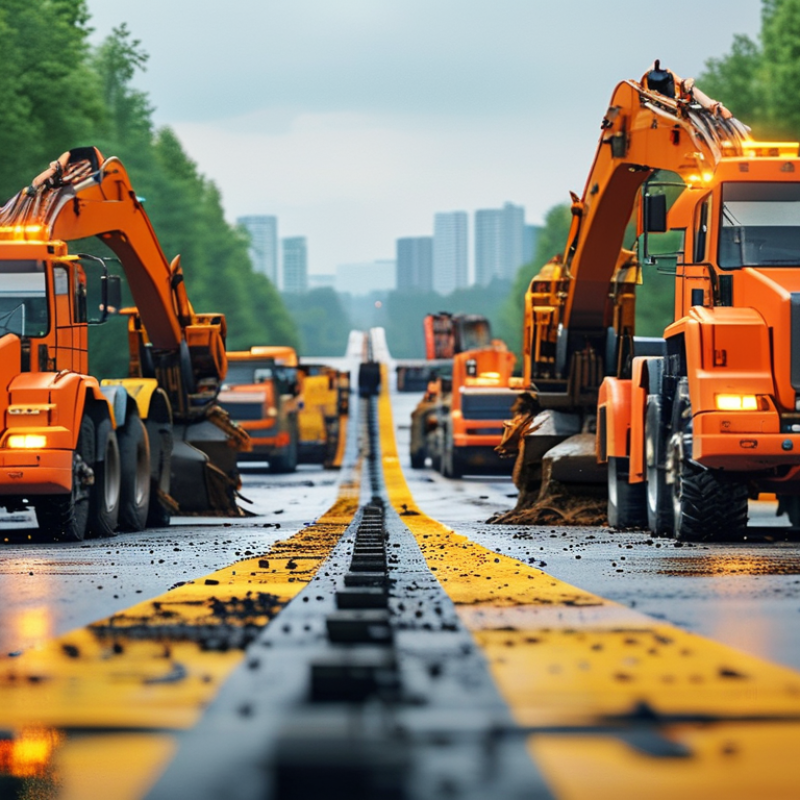
Overview of Road Repairing Machines and Their Importance
Maintaining roads is crucial for safety and accessibility. Efficient road repairing machines play a vital role in this process. According to the Federal Highway Administration, poorly maintained roads contribute to over $160 billion in vehicle repair costs annually. Investing in quality machines can significantly lower this expense.
Various types of road repair machines are available, such as pothole patchers, road graders, and seal coaters. Each serves a specific purpose. Pothole patchers quickly fill holes, reducing damage to vehicles and improving safety. Road graders create a smooth surface for new asphalt. Seal coaters extend the life of pavement by providing a protective layer.
Tip: Regularly assessing the condition of your machinery can prevent costly breakdowns. Proper maintenance is essential for efficiency and reliability. Invest time in training operators on best practices.
The choice of equipment impacts performance. Lower quality machines may save money upfront but lead to higher costs later. It’s worth reflecting on long-term needs versus short-term savings. Each repair machine needs adequate support, such as parts availability and operator training. Investing in comprehensive support systems is key to maximizing your equipment's potential.
Best Road Repairing Machines for Efficient Road Maintenance
This chart displays the effectiveness rating of various road repairing techniques. Each method is essential for ensuring the longevity and safety of roadways, making efficient road maintenance a priority in urban planning.
Types of Road Repairing Machines Used in Maintenance
Road maintenance is crucial for infrastructure development. Different types of road repairing machines play a vital role in this process. These machines vary in design and function, catering to specific repair needs. Understanding these machines can enhance maintenance efficiency.
One common type is the cold planing machine. These machines remove the top layer of asphalt. This process is essential before layering new material. Operators must have training to ensure precision. Another type is the pothole patching machine. It repairs surface defects quickly and effectively. However, the quality of the materials used is critical. In some cases, the repairs might not last, indicating a need for better techniques.
Asphalt rollers are essential for compaction during paving. They provide stability to new layers. Yet, improper operation can lead to uneven surfaces. Heat patching machines address cracks using heat. Though effective, they require skilled operators. Inconsistent heating can compromise repairs. Each machine has its strengths and weaknesses. Evaluating their use in various situations is vital for optimal road maintenance.
Key Features to Consider When Selecting Road Repairing Equipment
When selecting road repairing machines, some key features play a vital role in ensuring efficiency and effectiveness. One essential feature is durability. Machines that can withstand various weather conditions will perform better in the long run. Look for robust materials that can resist wear and tear. Reliability is paramount; an unreliable machine can lead to project delays and increased costs.
A notable feature is the ease of use. Operators should find machines intuitive and straightforward. This decreases training time and increases productivity. Additionally, consider the machine's versatility. Equipment that can handle different types of repairs will save you time and resources.
Tips: Regular maintenance is crucial for performance. Always check hydraulic fluid levels and inspect for wear before use. Track any irregular noises during operation; these could signal issues. Training sessions can enhance the skills of your team, making them adept at handling the machinery effectively. Investing in reliable road repairing machines is essential, but do not overlook the importance of proper training and upkeep.
Best Road Repairing Machines for Efficient Road Maintenance
| Machine Type | Key Features | Efficiency Rating | Maintenance Level | Operating Cost |
| Cold Planer | High precision cutting, Low noise | 92% | Low | Moderate |
| Asphalt Paver | Automatic leveling, High output | 88% | Medium | High |
| Road Roller | Vibration control, High compaction | 90% | Low | Moderate |
| Pot Hole Repair Machine | Instant reheating, User-friendly controls | 89% | Low | Low |
| Crack Sealing Machine | Fast heating, Accurate application | 91% | Medium | Moderate |
Comparative Analysis of Top Road Repair Machines on the Market
In today's fast-paced world, efficient road maintenance is crucial. The right road repairing machines can significantly enhance repair speed and quality. A comparative analysis of these machines reveals essential features that professionals should consider. Important factors include durability, ease of use, and maintenance requirements. High-quality machines can minimize downtime and increase productivity.
Tips: When selecting a road repair machine, consider the types of roads you will maintain. Different machines cater to various surfaces. Think about how user-friendly the control systems are, as this can affect operator efficiency.
Many machines offer multiple functionalities. For example, some can fill potholes, seal cracks, and even pave roads. However, versatility can come at a cost. Occasionally, this results in performance trade-offs. Some multifunction machines may not excel in every aspect. Therefore, assess your specific needs before finalizing a purchase.
Tips: Always test the machine in real-world conditions. Performance in ideal conditions might not reflect its effectiveness on actual roads. Pay attention to user reviews and feedback to gauge real-world reliability. Not every machine will meet all expectations. Understanding limitations is vital for making informed decisions.
Future Trends in Road Repair Technology and Innovations
The future of road repair technology is rapidly evolving. Innovations are emerging that increase efficiency and sustainability. For instance, self-healing asphalt is on the rise. This material can repair small cracks autonomously, reducing long-term maintenance costs. However, the reliability of such materials remains a concern.
Another trend is the use of drones in road inspections. Drones can survey large areas quickly and provide detailed data. They can detect road damage before it becomes severe. Yet, the technology may not always identify subtle issues. Regular human inspections may still be necessary to ensure safety.
Robotics are also changing how we approach road repairs. Automated machines can patch potholes with precision. This speeds up repairs and minimizes traffic disruptions. However, there are challenges related to the integration of these machines with human workers. Balancing efficiency with safety is crucial. Overall, these innovations signal a shift in road maintenance, but continuous improvement is key to realizing their full potential.
