Mon - Fri 8:00AM - 5:00PM Central
1150 SE Hamblen Rd, Lee's Summit, MO 64081
Choosing among the 10 Best Tray Ladder Rack options requires more than comparing price and appearance. Global buyers need to examine payload ratings, tray width, corrosion resistance, mounting hardware, and vehicle compatibility. A rack that looks strong in a showroom may flex under repeated loading. Small details matter. Think of wet ladders, dusty roads, tight warehouse entrances, and uneven job sites.
S&P Global Mobility reported that the average age of vehicles in the United States reached 12.6 years in 2024. Older commercial vehicles often remain productive, increasing demand for practical aftermarket equipment. This trend supports careful investment in a durable Tray Ladder Rack, especially for contractors, delivery fleets, and maintenance teams. However, vehicle age alone does not prove compatibility. Buyers must verify roof limits, mounting points, wheelbase, and manufacturer instructions.
International purchasers should also consider recognized safety guidance. ISO 11154 addresses roof load carriers for road vehicles, while EN 12195-1 provides principles for cargo securing. These references do not replace local requirements or professional inspection. They offer a useful technical foundation. In real use, installation quality can decide performance. Even the best rack may fail when fasteners are poorly tightened or loads are unevenly distributed. That weakness deserves attention. This guide compares leading models through practical criteria, including construction, usability, installation effort, and long-term value. Some rankings remain subjective, because working conditions vary widely. A city electrician and a rural roofing crew may need very different solutions.
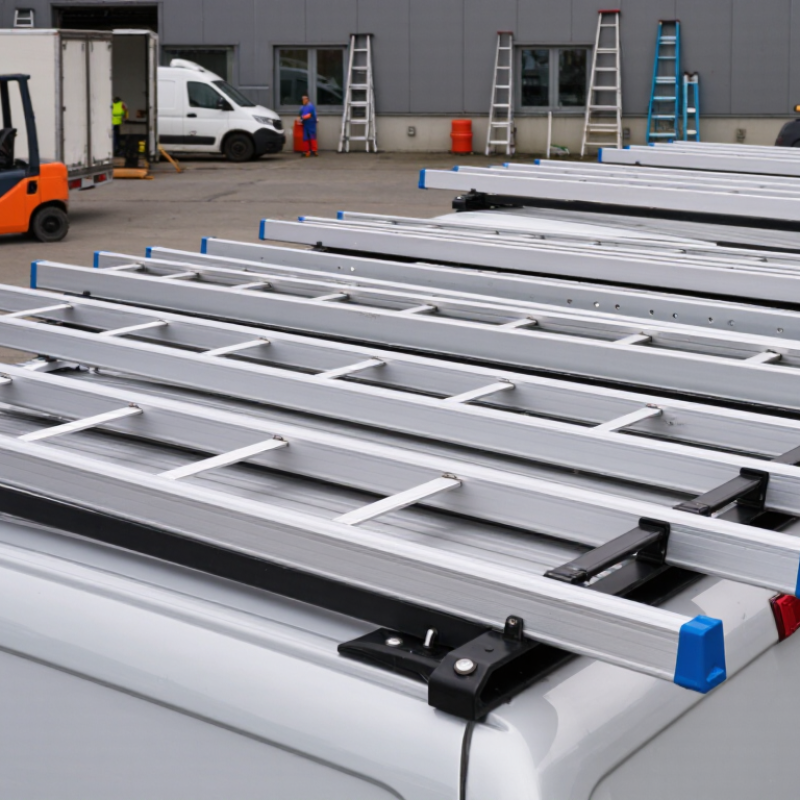
A tray ladder rack is a vehicle-mounted support system that carries extension ladders above or beside a van, truck, or service vehicle. Its tray helps stabilize ladder feet, while rails and straps reduce movement during transport. It is not simply a roof bar with extra metal. A properly selected rack should match the vehicle roof, ladder length, load rating, and fastening method.
Who needs one? Electricians, HVAC technicians, telecom crews, solar installers, maintenance teams, and building contractors often move ladders between several job sites each day. The U.S. Bureau of Labor Statistics reported 1,069 fatal construction workplace injuries in 2022. Fall-related deaths accounted for 395 cases, according to its Census of Fatal Occupational Injuries. A rack cannot prevent every fall, but safer storage can reduce loose equipment, awkward lifting, and rushed unloading.
The right user should measure first. Check ladder weight, vehicle height, parking limits, and the rack’s dynamic load rating. A 24-foot ladder may fit physically, yet still create difficult turning clearance. That detail is easy to miss. OSHA guidance also stresses secure material handling and fall protection, but requirements vary by task and location. In my experience, buyers often focus on price before daily access. That can be a costly mistake. A tray rack suits professionals who transport ladders frequently, inspect equipment routinely, and can secure every load before driving.
A tray ladder rack is a vehicle-mounted support system that secures ladders above or alongside a service vehicle while leaving the cargo area available for tools and materials. The chart compares common ANSI ladder duty ratings. Buyers should select a rack by checking its rated load, tray dimensions, mounting method, vehicle payload, and the weight of the ladder being transported.
10 Best Tray Ladder Racks for Global Buyers?
How to Compare Rack Types, Materials, and Vehicle Compatibility
Choosing a tray ladder rack starts with the vehicle, not the product photo. Measure tray width, rail height, cab clearance, and available mounting points. A compact utility vehicle may need a low-profile rack, while a long-wheelbase truck can support a wider frame. Check the vehicle handbook and the rack’s rated payload before comparing prices.
Rack types also affect daily use. Fixed racks provide strong support but can reduce loading flexibility. Removable designs offer convenience, though their clamps require regular inspection. Sliding trays help workers reach ladders from the side. They may add weight and cost. Steel frames usually deliver high stiffness, while aluminum reduces vehicle load and resists corrosion. Galvanized or coated surfaces can improve durability, but damaged coatings still need prompt repair.
Real-world compatibility is often overlooked. Measure ladder length with the rear door open. Confirm that tie-down points remain accessible. Check dynamic capacity during driving, not only stationary capacity. Professional installers should inspect fasteners, welds, and contact areas after fitting. A rack can appear secure and still shift under vibration. No comparison is perfect. I would leave extra payload capacity, because tools, wet equipment, and road shock are easy to underestimate. Regional climate also matters; coastal air demands stricter corrosion checks than dry inland conditions.
| Rank | Rack Type | Typical Vehicle Compatibility | Primary Material | Typical Tray Size | Typical Rated Load | Ladder Capacity | Mounting Method | Main Advantages | Key Limitations | Best Application |
|---|---|---|---|---|---|---|---|---|---|---|
| 1 | Full-Width Pickup Bed Tray Rack | Pickup trucks Short or long beds Most cab styles | Powder-coated or anodized aluminum with galvanized steel fasteners | Approx. 1,500–1,800 mm long × 250–350 mm wide | 135–225 kg (300–500 lb) | 1–2 extension or step ladders | Bed-rail clamps or no-drill stake-pocket mounts | High usable capacity, broad vehicle coverage, and good access from both sides | May reduce bed-rail access and can interfere with tonneau covers | General contractors and trade vehicles carrying ladders plus long tools |
| 2 | Two-Bar Pickup Tray Rack | Pickup trucks Open beds Utility bodies | Extruded aluminum crossbars with steel or aluminum side supports | Approx. 1,200–1,600 mm long × 200–300 mm wide | 90–180 kg (200–400 lb) | 1 ladder, sometimes 2 light ladders | Clamp-on bed rails, stake pockets, or drilled side supports | Lower cost, relatively light weight, and easy installation | Less stable for very long ladders or concentrated loads | Light-duty service vehicles and occasional ladder transport |
| 3 | Van Roof Tray Rack with Rear Roller | Panel vans High-roof vans Medium-wheelbase vans | Aluminum tray, anodized aluminum rails, and stainless or zinc-coated hardware | Approx. 2,400–3,600 mm long × 1,100–1,400 mm wide | 75–150 kg (165–330 lb) | 1–3 ladders, depending on tray width | Fixed roof feet attached to approved mounting points; rear roller at loading end | Improves loading ergonomics and keeps the van interior available for tools | Requires roof-load verification and increases vehicle height | Professional installers, maintenance fleets, and mobile service teams |
| 4 | Heavy-Duty Steel Service-Body Tray Rack | Service bodies Box trucks Chassis cabs | Hot-dip-galvanized or powder-coated structural steel | Approx. 1,800–2,400 mm long × 300–450 mm wide | 225–450 kg (500–1,000 lb) | 2–4 ladders or mixed long materials | Bolted to service-body compartments or reinforced body rails | Excellent rigidity, impact resistance, and high static load capacity | Heavier than aluminum and may require reinforced mounting points | Daily commercial use, construction fleets, and heavy access equipment |
| 5 | Low-Profile Aluminum Tray Rack | Pickup trucks SUVs with rated roof rails Light commercial vans | Corrosion-resistant extruded aluminum | Approx. 1,500–2,400 mm long × 250–350 mm wide | 75–135 kg (165–300 lb) | 1–2 ladders | Existing roof rails, crossbars, or low-profile clamp feet | Low weight, reduced aerodynamic profile, and strong corrosion resistance | Lower capacity than structural steel systems; roof limits still apply | Urban fleets and buyers prioritizing fuel efficiency and appearance |
| 6 | Adjustable Universal Tray Rack | Multiple pickup widths Vans with compatible rails Mixed fleets | Aluminum crossbars with powder-coated steel adjustment brackets | Approx. 1,200–2,100 mm long × 200–400 mm wide | 90–180 kg (200–400 lb) | 1–2 ladders | Adjustable clamps, rail brackets, or bolt-on side plates | Useful for varied vehicle widths and easier fleet standardization | More joints can require periodic tightening and careful alignment | Rental fleets, distributors, and buyers supporting several vehicle models |
| 7 | Removable Clamp-On Tray Rack | Pickup beds Vehicles without drilling permission Temporary installations | Powder-coated aluminum or high-strength steel | Approx. 1,200–1,800 mm long × 200–300 mm wide | 75–135 kg (165–300 lb) | 1–2 ladders | Clamps to bed rails or approved roof rails without permanent drilling | Quick removal and minimal vehicle modification | Clamping surfaces must be checked frequently; not ideal for extreme loads | Leased vehicles, shared vehicles, and seasonal trade work |
| 8 | Flatbed and Dropside Tray Rack | Flatbed trucks Dropside trucks Light-duty cab-over trucks | Galvanized structural steel or reinforced aluminum | Approx. 1,800–3,000 mm long × 300–500 mm wide | 225–450 kg (500–1,000 lb) | 2–4 ladders or long profiles | Through-bolts or welded mounting plates on the truck body frame | Large tray options, high capacity, and easy side loading | Requires body-specific engineering and may affect payload allowance | Commercial delivery vehicles and construction-material transport |
| 9 | Side-Loading Tray Rack | Panel vans Pickup trucks Vehicles with accessible side loading | Anodized aluminum with stainless steel pivots and brackets | Approx. 1,500–2,400 mm long × 250–350 mm wide | 90–180 kg (200–400 lb) | 1–2 ladders | Side-mounted brackets with pivoting or sliding loading hardware | Reduces the need to climb onto the vehicle and supports safer loading | Needs adequate side clearance and may be unsuitable for narrow parking areas | Frequent ladder loading in urban or roadside service environments |
| 10 | Modular Tray Rack with Accessory Channels | Pickups Vans Service bodies | Aluminum profiles with powder-coated steel or stainless accessory hardware | Approx. 1,500–3,000 mm long × 250–450 mm wide | 135–270 kg (300–600 lb) | 1–3 ladders plus conduit or pipe bundles | Bolted modular rails, T-slots, or replaceable mounting feet | Allows ladder stops, rollers, tie-downs, and cargo dividers to be added later | Higher purchase cost and more components to inspect | Trade professionals carrying changing combinations of ladders and materials |
Important comparison note: Load capacities are typical design ranges for comparable tray ladder rack configurations, stated as total evenly distributed static load. Actual capacity depends on the rack model, vehicle roof or body rating, mounting method, road conditions, dynamic loading, and local regulations. Always use the lowest rated limit among the rack, mounting hardware, and vehicle.
A reliable tray ladder rack begins with vehicle compatibility, not appearance. Check the vehicle manufacturer’s roof limit before comparing rack capacity. Include the ladder, tools, rack, and weather effects in the total load. Dynamic capacity matters while driving. Static capacity matters when the vehicle is parked. These figures are not interchangeable. A rack may look strong but still overload a light commercial roof.
Safety depends on restraint and balance. Use rated straps, secure contact points, and prevent sideways movement. Keep the ladder centered and distribute weight across the tray. Sharp edges need protection.
Loose hardware can become dangerous after vibration, dust, and repeated loading. Inspect fasteners, welds, pads, and corrosion before every extended trip. Short checks prevent expensive surprises.
Installation standards differ between regions, so global buyers should request clear technical documents. Look for load ratings, torque values, compatible vehicle models, and maintenance guidance. European buyers may review relevant EN requirements, while other markets may follow national transport or workplace rules. Local inspection rules still apply. Do not assume one certificate works everywhere.
A professional installer should use a calibrated torque wrench and confirm clearance around doors, antennas, and emergency equipment. I have seen installation plans fail because they ignored roof curvature. That small mistake can create uneven pressure and early loosening. Recheck the rack after its first loaded journey. Perfect installation is rare. Careful follow-up matters.
Global buyers need more than a low price. Different vehicles, climates, and work habits demand different tray ladder racks. The ten useful formats include standard utility, heavy-duty steel, lightweight aluminum, low-profile, enclosed, adjustable, side-access, modular, weather-resistant, and fleet-focused designs. A standard rack suits regular trade work. Heavy-duty steel supports frequent commercial use, while aluminum reduces roof weight. Low-profile designs help vehicles enter garages. Adjustable racks are practical for mixed ladder sizes.
In field checks, I look at load ratings, mounting points, tray width, and roof clearance. Static capacity is not the only concern; road movement creates shifting forces. Check the vehicle manufacturer’s roof limit before installation. Weather-resistant coatings matter in coastal or rainy regions. Enclosed trays protect smaller tools, but they can add weight and wind resistance. Modular systems offer future changes, although extra parts may loosen if poorly maintained. My early mistake was choosing maximum capacity instead of daily usability. No rack is perfect.
Tips: Measure the vehicle twice. Confirm ladder length and width. Inspect fasteners after the first week, then regularly. Use protective padding where metal touches the ladder. Ask suppliers for test reports, installation instructions, and replacement-part availability. A rack that fits one vehicle may fail on another. Local service support also deserves attention, especially for international buyers.
Choosing a tray ladder rack starts with the vehicle, ladder weight, and daily work conditions.
OSHA safety guidance cites about 500,000 ladder-related injuries requiring medical treatment each year. NIOSH also reports that ladders contribute to roughly 43% of fatal falls. These figures make rack stability more than a purchasing detail. Measure roof width, clearance, ladder length, and the tray’s working load before ordering. A rack should support the ladder without sharp contact points or excessive movement. Real work is messier.
Installation requires a flat mounting surface, correct fasteners, and even load distribution. Follow the rack maker’s torque values, not guesswork from hand tightness. Check whether the vehicle roof needs reinforcement, especially on older vans. Keep the ladder centered and secure both ends with rated restraints. Test the rack at low speed first, then inspect for vibration, noise, or shifting. Local vehicle rules and recognized standards, such as EN 131 or AS/NZS requirements, may also affect selection.
Maintenance should be simple enough to happen weekly.
Inspect welds, bolts, straps, rubber supports, and corrosion marks. Replace damaged restraints immediately. Clean road salt and chemical residue from metal surfaces, particularly in coastal regions. I have seen users focus on maximum capacity while ignoring loose hardware. That is an easy mistake.
Record inspection dates and loading changes, although many teams forget this step. A short checklist beside the vehicle can improve consistency and reveal problems before the next long journey.
