CONTACT PHONE 816-380-4747
OPEN HOURS

Mon - Fri 8:00AM - 5:00PM Central

ADDRESS

1150 SE Hamblen Rd, Lee's Summit, MO 64081

What Is the Best Weighing Packing Machine from China?

Choosing the best Weighing Packing Machine from China requires more than comparing prices or glossy product photos. A reliable buyer examines weighing accuracy, filling speed, sealing quality, material compatibility, and service capability. In a working factory, small details matter. Powder may cling to the hopper. Granules may fall unevenly. A weak seal can ruin an otherwise accurate package.

Manufacturing-quality expert W. Edwards Deming said, “Quality comes not from inspection, but from the improvement of the production process.” His principle fits packaging equipment closely. The right machine should produce stable results before final inspection begins. Look for calibrated load cells, a responsive control system, stainless-steel contact parts, and accessible cleaning areas. Ask the supplier for real test videos using your product, not a similar sample. Request data for weight variation, packing speed, reject rates, and continuous operation.

Evidence matters most.

However, no machine is perfect. A high-speed model may lose accuracy with lightweight products. A low-cost machine may create expensive maintenance delays. I have seen buyers focus on output per minute, then overlook spare-part availability and operator training. That decision often feels efficient at first, but it can become costly later. Chinese manufacturers offer strong customization and competitive engineering, yet quality varies between factories. Check factory experience, export references, inspection records, software support, and after-sales response times. The best choice is therefore not simply the fastest Weighing Packing Machine. It is the machine that matches your product, packaging material, production target, and long-term operating reality.
What Is the Best Weighing Packing Machine from China?

What Is a Weighing Packing Machine?

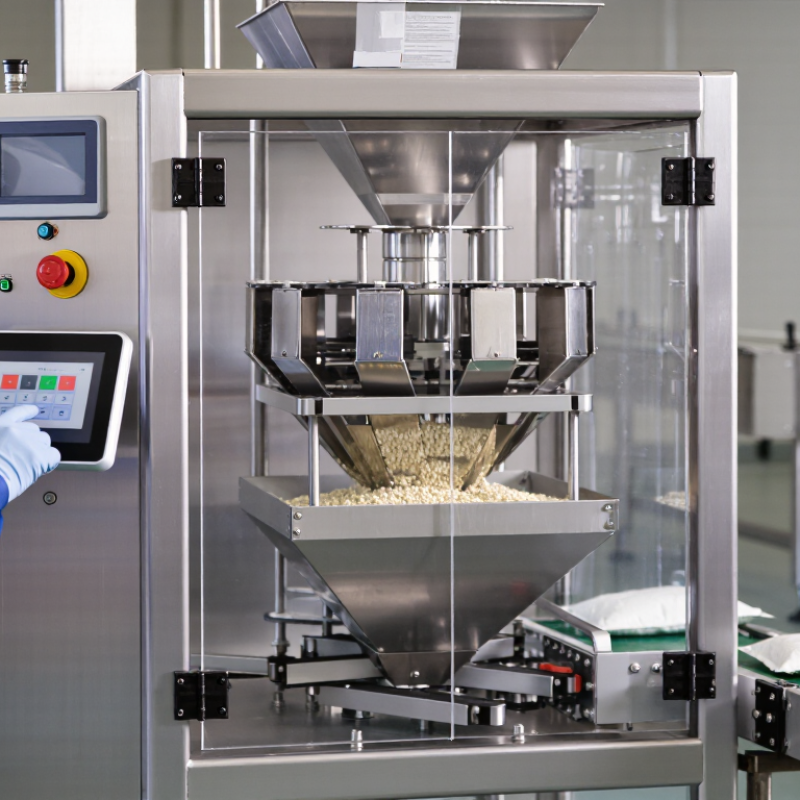
A weighing packing machine measures a product by weight, then fills and seals each package automatically. It usually includes a weighing hopper, load cells, a control panel, and a bag sealing unit. The load cells detect product weight with high precision. The controller then releases the material when the target value is reached.

This equipment suits products such as grains, seeds, powders, snacks, and small hardware parts. Its performance depends on product flow, moisture, particle shape, and target weight. A machine designed in China may offer flexible configurations and practical automation for different production lines. However, “best” does not mean the fastest model. Stable weighing, simple cleaning, spare parts access, and operator training often matter more. A small error can become expensive after thousands of bags. No machine is perfect.

Tips: Test your actual product before purchasing. Check weight accuracy at slow, medium, and high speeds. Ask for records of calibration and sealing tests. Inspect the hopper and contact surfaces for smooth, washable construction. Confirm whether the control system supports your required units and language. It is also wise to measure the machine’s noise, dust control, and power use during a real trial. A specification sheet may look impressive, but factory conditions can expose problems that a showroom test misses.

How Does a Chinese Weighing Packing Machine Work?

What Is the Best Weighing Packing Machine from China?

How Does a Chinese Weighing Packing Machine Work?

A Chinese weighing packing machine combines load cells, weighing hoppers, a control system, and packing components. Product enters several small hoppers from a central feeding system. Each load cell measures the product inside its hopper. The controller compares these readings with the target weight. It then selects a suitable combination of hoppers. This method improves speed while limiting weight variation. Small errors matter.

After the correct combination is chosen, the selected hoppers open together. The product drops into a timing hopper or prepared bag. Film is shaped around the product, then sealed with controlled heat. Sensors check film position, bag length, and sealing timing. A conveyor carries the finished pack toward inspection or collection. Operators can adjust feeding speed, target weight, and sealing temperature through the control panel.

Production experience shows that material behavior strongly affects performance. Dry grains may flow smoothly, while powders can bridge or create dust. Moist products may stick to hopper surfaces. Proper calibration is essential. Check-weighing samples also reveal drift that the display may not show immediately. No machine is perfect. Cleaning access, spare parts, operator training, and test records influence long-term reliability. I would also question impressive speed claims without product trials, because real performance changes with humidity, package size, and material consistency.

Which Types of Weighing Packing Machines Are Available?

What Is the Best Weighing Packing Machine from China?

Which Types of Weighing Packing Machines Are Available?

The best machine depends on product shape, target weight, speed, and dust level. Multihead weighers suit snacks, grains, frozen foods, and irregular pieces. They combine several small hopper weights before releasing one accurate portion. A ten-head or fourteen-head layout can improve speed, but it needs steady product feeding and regular cleaning.

Linear weighing machines use fewer hoppers and a simpler control system. They work well with rice, seeds, powder-free granules, and similar products. They usually cost less, but their speed and accuracy may fall with uneven materials. Net-weighing machines fill a separate bag after weighing. Gross-weighing machines weigh directly inside the package. Auger fillers are better for flour, spices, and other powders, although dust control becomes critical.

Practical tests matter more than catalogue figures. Ask for trials using your actual product, bag film, and target weight. Check the giveaway rate, sealing temperature, cleaning time, and rejected-pack percentage. FAO’s Food Loss Index report estimates that 13.2% of food is lost before retail, so accurate dosing can support waste reduction. PMMI’s 2024 State of the Industry report also identifies labor pressure and automation as major packaging investment drivers. Still, higher automation is not always better. A complex machine may reduce labor but increase maintenance delays in a remote factory. That trade-off is easy to underestimate.

What Is the Best Weighing Packing Machine from China? - Which Types of Weighing Packing Machines Are Available?
Machine Type Weighing Principle Best-Suited Products Typical Weighing Range Typical Speed Typical Accuracy Common Bag Formats Main Advantages Key Limitations
Linear Weighing Packing Machine Uses two or more weighing heads to discharge a preset target weight, usually through timed or controlled feeding. Rice, grains, seeds, pulses, sugar, snacks, frozen products and other relatively free-flowing materials. Approximately 10 g to 5 kg per package, depending on the feeder and hopper configuration. About 10 to 40 bags per minute. Commonly within approximately ±0.3% to ±1%, depending on product characteristics and target weight. Pillow bags, gusseted bags, and premade bags when integrated with the appropriate bagging system. Simple structure, comparatively low cost, easy operation and suitable for small to medium production volumes. Generally slower and less flexible than multihead systems when high speed or many target combinations are required.
Multihead Weighing Packing Machine Uses multiple weigh hoppers and selects the combination closest to the target weight before discharge. Snacks, nuts, confectionery, dried fruit, frozen foods, irregular pieces and mixed products. Approximately 10 g to 3 kg per package, with some configurations supporting larger target weights. About 30 to 120 weighments per minute; actual bag output depends on the packing machine and product. Often approximately ±0.1% to ±0.5% under stable product and operating conditions. Pillow bags, gusseted bags, quad-seal bags, premade pouches and other flexible packaging formats. High speed, good combination accuracy, flexible product handling and reduced giveaway when correctly configured. Higher purchase cost, more complex controls and greater sensitivity to sticky, dusty or inconsistent products.
Net Weighing Packing Machine Measures a complete batch in a weigh hopper and then releases the batch into the package. Granules, pellets, grains, fertilizer, feed, powders with suitable flow properties and other bulk materials. Approximately 5 kg to 50 kg per package; larger capacities are possible with customized equipment. About 5 to 25 bags per minute, depending on product, target weight and bag handling. Commonly approximately ±0.2% to ±0.5% of the target weight when properly calibrated. Open-mouth bags, valve bags and heavy-duty woven or laminated bags. Good control of the product weight before filling and suitable for medium and large sacks. Requires a separate or integrated bag-clamping and bag-sealing system; not ideal for very delicate products.
Gross Weighing Packing Machine The product is weighed directly in the bag while the bag is held by the filling mechanism. Powders, granules, building materials, animal feed, chemicals and products requiring larger bag sizes. Approximately 10 kg to 50 kg per package; industrial systems may support higher capacities. About 4 to 20 bags per minute. Commonly approximately ±0.2% to ±0.5%, subject to material flow and bag stability. Open-mouth bags, valve bags, paper sacks, woven bags and laminated industrial bags. Compact material flow, suitable for larger sacks and fewer product transfers during filling. Bag movement, vibration and changes in bag tare can affect weighing performance.
Auger Weighing Packing Machine A servo-controlled or motor-driven screw feeds a measured quantity of powder into a container or bag. Flour, milk powder, spices, coffee powder, pharmaceutical powders and other controlled-flow powders. Approximately 1 g to 5 kg per package, depending on screw diameter and hopper design. About 10 to 60 bags per minute. Often approximately ±0.5% to ±1%, with performance affected by powder density and flowability. Pillow bags, sachets, stick packs, premade pouches, cans and jars. Suitable for dusty powders and provides controlled, repeatable feeding. Product density, moisture and powder bridging can affect the actual weight and filling consistency.
Volumetric Cup Weighing Machine Uses adjustable measuring cups to portion products by volume, with the volume correlated to an expected weight. Free-flowing grains, rice, seeds, beans, sugar and similar products with relatively stable bulk density. Approximately 10 g to 2 kg per package, depending on cup volume and machine configuration. About 20 to 80 bags per minute. Typically approximately ±1% to ±3%, depending on bulk-density consistency. Pillow bags, gusseted bags and small premade bags. Simple operation, high throughput potential and relatively low equipment cost. It is volume-based rather than continuously weight-based, so density changes can create weight variation.
Combination Weighing Packing Line Combines a weighing system with feeding, bag forming or premade-pouch handling, sealing, coding and inspection equipment. Food, agricultural products, chemicals, pet food, hardware and other products requiring an integrated packaging process. Commonly 10 g to 50 kg, depending on the selected weighing module and bagging equipment. About 15 to 100 packages per minute, depending on the complete line design. Determined by the selected weigher; commonly approximately ±0.1% to ±1%. Pillow bags, gusseted bags, quad-seal bags, premade pouches, open-mouth bags and valve bags. Reduces manual handling, improves process consistency and can include metal detection, checkweighing and data recording. Higher installation cost, greater footprint and more complex commissioning and maintenance requirements.
Note: The figures shown are typical industry ranges rather than guaranteed specifications. Actual speed and accuracy depend on product flowability, particle size, moisture, bulk density, target weight, bag material, environmental conditions and machine configuration.

How to Compare Chinese Weighing Packing Machine Manufacturers?

When comparing Chinese weighing packing machine manufacturers, begin with product fit, not catalogue price. Ask for a trial using your actual material, such as rice, powder, granules, or fragile snacks. Record target weight, bag size, speed, and acceptable error. A machine handling plastic pellets may struggle with sticky seasoning. Real samples reveal this quickly.

Review the manufacturer’s engineering experience through drawings, test reports, and factory records. Check the load cells, weighing buckets, sealing system, control interface, and contact parts. Ask how calibration is completed and how measurement data is protected. Request production videos, but do not treat polished footage as proof. A live video test is stronger. Better still, inspect a running machine with a third-party engineer. This costs more, but weak assumptions cost more later.

After-sales support often separates a reliable supplier from a cheap one. Confirm spare-parts availability, response times, installation methods, training, and remote troubleshooting. Ask for a clear list of included components and excluded services. Compare warranty terms carefully. Some quotations look attractive because essential conveyors or coding equipment are missing. I would also request references from similar applications, while remembering that every material behaves differently. No supplier gets everything perfect; even a well-designed machine may need revised feeding settings after installation. That honest adjustment process is a useful sign.

What Features Define the Best Weighing Packing Machine?

The best weighing packing machine is defined by controlled accuracy, stable output, and easy maintenance. Speed alone is not enough. PMMI’s 2023 State of the Industry report identifies labor availability and automation as major packaging investment concerns. A capable Chinese supplier should show test records, not only attractive catalog numbers. Ask for average error, giveaway rate, and verified bags per minute using your product.

A reliable machine uses responsive load cells, balanced hoppers, and software that corrects weight drift. For dusty powders or sticky granules, product-contact surfaces need suitable steel, clean edges, and quick access. OIML R 61 provides recognized requirements for automatic weighing instruments. It is a useful benchmark, but certification alone cannot prove line performance. Request a filmed trial with your actual material. That small detail matters. The trial should record target weight, tolerance, speed, rejected packs, and cleaning time.

Data connectivity is another defining feature. The machine should export weight trends, alarms, downtime, and calibration history. This supports traceability and helps technicians find recurring faults before waste grows. A 2024 report from the International Federation of Robotics recorded 541,302 industrial robot installations worldwide in 2023. That wider shift makes integration skills increasingly valuable. Still, remote support can be slow across time zones. Local spare parts, clear manuals, and a realistic response agreement deserve equal attention. The cheapest offer may win the spreadsheet and lose the production floor.

What Is the Best Weighing Packing Machine from China?

The best machine depends on product characteristics, target weight, bag format, and required output. The chart shows typical throughput ranges for common industrial weighing and packing configurations.

Machines with higher performance usually combine accurate load-cell weighing, stable feeding, fast servo-controlled bag handling, automatic error correction, easy cleaning, and compatibility with the required packaging film and bag sizes. Typical weighing accuracy is commonly within approximately ±0.1% to ±1.0%, depending on the product and machine configuration.

Throughput ranges are general industry values measured in bags per minute. Actual results vary with product density, particle size, target weight, bag dimensions, filling method, and operator settings.