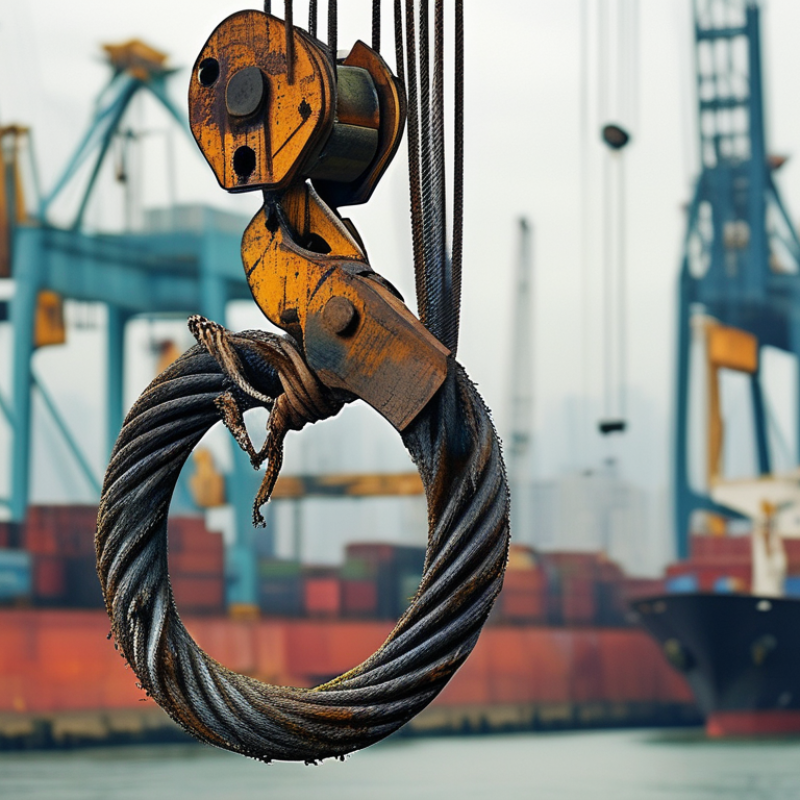
Why Choose Crane Steel Wire Rope for Your Heavy Lifting Needs?
When considering heavy lifting equipment, the choice of materials is crucial. Crane Steel Wire Rope stands out as a top option. Its strength and durability make it ideal for various lifting tasks. Many industries, including construction and shipping, rely on this robust material.
Crane Steel Wire Rope offers superior tensile strength and resistance to wear. This means it can handle heavy loads without excessive stretching or damage. Safety is a priority in heavy lifting, and this rope ensures safe operations. However, it’s important to regularly inspect wire rope for signs of wear or fatigue.
Choosing Crane Steel Wire Rope can be a better investment for your lifting needs. Not all wire ropes are created equal, and reliability is key. Understanding the specific requirements of your project will lead to a wiser selection. Proper knowledge and maintenance are essential for maximizing the rope’s lifespan and performance.
Advantages of Crane Steel Wire Rope in Heavy Lifting Applications
When it comes to heavy lifting, choosing the right equipment is crucial. Crane steel wire rope has become a popular choice for professionals in various industries. One reason for this is its remarkable strength and durability. These ropes can withstand immense loads, making them ideal for lifting heavy equipment and materials. They also demonstrate exceptional resistance to wear and fatigue, ensuring longevity even in challenging environments.
The flexibility of crane steel wire rope is another significant advantage. It can navigate tight spaces and complex maneuvers, allowing for precise lifting operations. This adaptability is vital in construction sites or manufacturing facilities where space is limited. Additionally, the ropes offer excellent safety features. High tensile strength reduces the risk of breakage, providing peace of mind during heavy lifting tasks.
**Tips:** Always inspect the wire rope before use. Look for signs of wear or damage. Proper maintenance extends the lifespan of the wire rope and ensures safety. Also, ensure that your lifting equipment is compatible with the wire rope specifications. Improper matching can lead to system failures, which could be dangerous. A cautious approach to heavy lifting can save lives and resources.
Why Choose Crane Steel Wire Rope for Your Heavy Lifting Needs?
This chart compares the key advantages of Crane Steel Wire Rope against alternative lifting materials in terms of load capacity, durability, weight, and cost. The data highlights the superior performance characteristics of Crane Steel Wire Rope, making it the preferred choice for heavy lifting applications.
Comparative Strength and Durability of Crane Steel Wire Rope
Crane steel wire rope stands out due to its exceptional strength and durability. Industry reports show that steel wire ropes can handle loads exceeding 100 tons. This makes them a preferred choice for heavy lifting in construction and shipping industries. Their high tensile strength is crucial for tasks that involve significant vertical movements.
The durability of crane steel wire rope is another key aspect. It resists wear and fatigue better than synthetic alternatives. Tests indicate that steel wire ropes can last three times longer than synthetic options under similar conditions. This longevity results in fewer replacements and maintenance costs. The ability to withstand harsh environments further enhances its reliability.
Tips: Regularly inspect your wire ropes for signs of wear. Look for fraying or kinks that could compromise strength. Ensure proper lubrication to prevent rust and extend life. Using the right size for your lifting needs is vital. Overloading can lead to unsafe conditions. Always refer to load charts to avoid mishaps.
Load Capacity and Safety Factors of Crane Steel Wire Rope
Crane steel wire rope is essential for heavy lifting applications. Its design contributes significantly to load capacity and safety factors. The strength of the wire rope often determines how much weight it can handle without failure. Various diameters and constructions provide options for different lifting requirements. Each project may have unique demands that influence the choice of rope.
Safety is paramount in heavy lifting. A wire rope's safety factor is calculated by comparing its breaking strength to the maximum load it will lift. Typically, a safety factor of 5:1 is common for cranes. This means the rope can handle five times the intended load. This factor ensures extra protection against unexpected stresses.
**Tip: Regularly inspect your wire ropes for wear and tear.** Any signs of fraying or corrosion could indicate potential failure during use.
Another consideration is environmental conditions. Excessive heat or moisture can weaken the rope over time. Make sure to select a type of wire rope that suits the working environment to enhance durability.
**Tip: Keep your lifting areas clear and well-organized.** A clutter-free space reduces the risk of accidents and ensures smooth operations.
Why Choose Crane Steel Wire Rope for Your Heavy Lifting Needs?
| Rope Type | Diameter (mm) | Load Capacity (ton) | Core Type | Safety Factor |
| 6x19 IWRC | 10 | 12 | Independent Wire Rope Core | 6:1 |
| 6x36 Compacted | 12 | 14 | Fiber Core | 7:1 |
| 8x19 Seale | 14 | 20 | Independent Wire Rope Core | 6:1 |
| 7x19 | 16 | 22 | Fiber Core | 7:1 |
| 6x37 | 18 | 30 | Independent Wire Rope Core | 6:1 |
Cost Efficiency and Longevity: Economic Benefits of Using Steel Wire Rope
When it comes to heavy lifting, choosing the right materials can make all the difference. Steel wire rope is increasingly favored for its notable cost efficiency and longevity. This type of rope has a unique ability to withstand significant weights without losing structural integrity. Many industries rely on steel wire rope for its durability, especially in demanding environments.
Cost efficiency plays a critical role in selecting materials. Steel wire rope often outlasts synthetic alternatives, leading to fewer replacements. This can save companies substantial amounts over time. Additionally, less maintenance is required. However, it's essential to understand the initial investment. While steel may cost more upfront, its long-term benefits usually outweigh initial expenses.
Longevity and performance have their drawbacks. Steel wire rope can be affected by corrosion if not properly maintained. It is vital to inspect regularly for wear and tear. Choosing the right coating can enhance life expectancy. Companies must weigh the pros and cons carefully. Making an informed decision can lead to significant savings down the road. Proper education on materials ensures that choices made are not just economical but also reliable in the long run.
Industry Standards and Certifications for Crane Steel Wire Rope Use
When it comes to heavy lifting, selecting the right materials is crucial. Crane steel wire rope meets stringent industry standards. These standards ensure that the rope can withstand significant loads while providing safety and reliability. Many organizations, such as the American Society for Testing and Materials (ASTM), specify performance requirements for these ropes. Compliance with these standards serves as a mark of quality and trust.
The reliability of crane steel wire rope is further supported by testing and certification processes. According to a recent industry report by the International Association of Crane and Rigging Professionals, compliance with ISO 16881 can reduce failure rates significantly. Organizations also conduct fatigue tests, ensuring these ropes can endure repeated cycles of tension. This testing reflects the realities of heavy lifting environments.
Specialized certifications don't just benefit manufacturers; they also enhance workplace safety. Workers can trust that compliant wire ropes will withstand the rigors of daily use. However, not all suppliers adhere to these stringent standards. Choosing a supplier that emphasizes compliance is key to ensuring safety and performance. Investing in quality means not compromising on safety for cost-cutting.