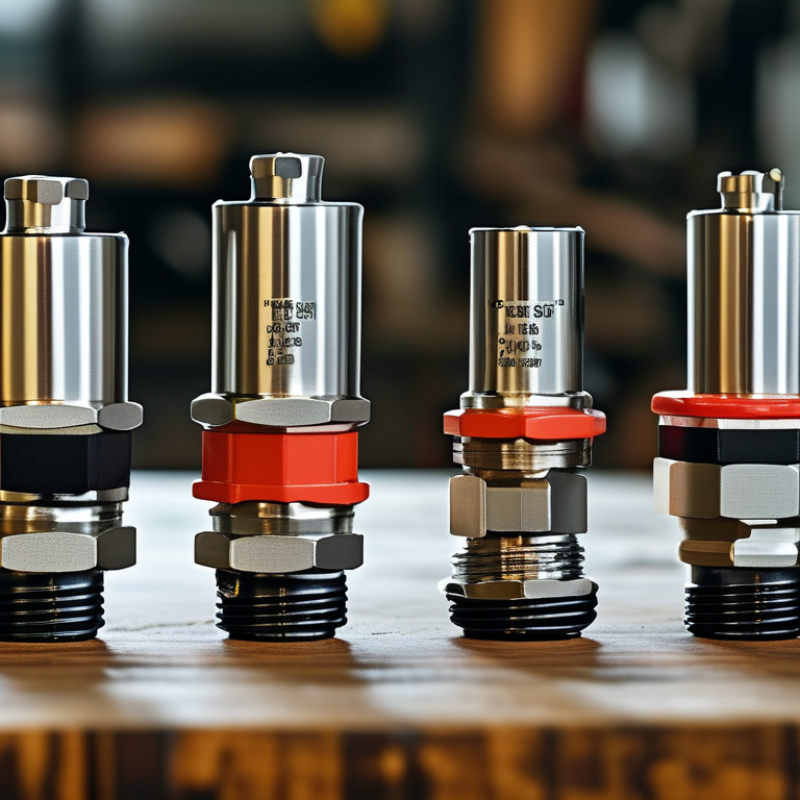
How to Choose the Right Quick Coupling Connector for Your Needs?
Choosing the right Quick Coupling Connector is crucial for various applications. These connectors enable quick and efficient connections. They play a significant role in fluid transfer systems, pneumatic tools, and hydraulic machines.
Understanding your specific needs is essential. Different connectors serve diverse purposes. It’s important to assess the pressure ratings, size, and material compatibility. Any oversight can lead to performance issues. A mismatch can cause leaks or equipment failure.
Experience matters when selecting a Quick Coupling Connector. Consulting with experts can provide valuable insights. They can guide you through various options. However, relying solely on recommendations without personal research may lead to poor choices. Make sure to explore all available possibilities and evaluate them against your requirements.
Understanding the Basics of Quick Coupling Connectors
Quick coupling connectors are essential in various applications. They allow users to connect and disconnect lines quickly. Understanding their basics can help you choose the right type for your needs.
One key aspect to consider is the design. Some connectors feature a push-to-connect mechanism, making them user-friendly. Others may require additional tools for attachment. It’s crucial to analyze your specific operational needs. Does your application demand frequent connections? Choose a connector that simplifies the process. Pay attention to the materials as well. Certain connectors resist chemicals and high temperatures better.
Tips: Always check compatibility with your existing equipment. Test different connectors in non-critical applications first. This way, you can identify any issues without risking significant project setbacks. Remember, not all connectors will perform optimally in every situation.
User feedback is also important. Integrating insights from those who have used the connectors can highlight potential pros and cons. Their experiences may reveal issues you hadn’t considered. Finding a reliable source of information boosts your confidence in the decision-making process.
Identifying Your Specific Application Requirements
Choosing the right quick coupling connector involves understanding your specific application requirements. Begin by considering the type of fluids or gases involved. Different connectors are designed for various mediums, each with unique properties. For example, certain materials work poorly with corrosive substances. Make sure to select a connector compatible with your usage.
Next, think about the pressure and temperature conditions. Consider peak operating temperatures and the maximum pressure ratings of connectors. An improper match here can lead to system failures. It's crucial to analyze your operational environment closely. Are there vibrations or shock loads? These factors greatly influence the choice of coupling.
Another aspect often overlooked is the frequency of connection and disconnection. Frequent use can wear down connectors faster. Evaluate if a robust, durable option is needed. Look for seals and locking mechanisms that enhance reliability. Test your choices under real conditions before full implementation. This reflection often reveals necessary adjustments.
Evaluating Connector Material and Durability
Choosing the right quick coupling connector involves careful consideration of material and durability. Connectors are often exposed to various environments. This exposure affects their performance and lifespan. Different materials offer distinct benefits. For instance, stainless steel is known for its resistance to corrosion. It is suitable for harsh conditions.
Plastic connectors can be more lightweight and cost-effective. However, they may not withstand high temperatures or severe impacts. When evaluating durability, consider the operating environment. Will the connector face constant vibration or exposure to chemicals? Assessing these factors is crucial. Testing under actual conditions provides more insight than theoretical claims.
User feedback often highlights unexpected issues. Some connectors may appear robust but fail under stress. Poor manufacturing can lead to premature wear or failure. Regular inspection and maintenance are essential for longevity. Understanding the specific needs of your application will guide you in selecting a suitable connector.
Assessing Connection Types and Compatibility
Choosing the right quick coupling connector involves careful assessment of connection types and compatibility. Various industries utilize dual-lock, or snap-fit connectors, each with specific applications. According to industry reports, improper connectivity can lead to failures and increased maintenance costs, highlighting the importance of choosing compatible connectors.
Different connection types may affect performance. For hydraulic systems, a connector that supports high flow rates is critical. In contrast, pneumatic applications require connectors that can handle both pressure and temperature variations. Each scenario demands an understanding of the materials involved as well, as compatibility with fluids matters significantly.
Tips: Always check the pressure ratings of connectors. Mismatched ratings may create leaks. Consider the working environment; extreme temperatures can degrade certain materials quickly. Regular assessments of connector wear can prevent unexpected failures.
Considering Maintenance and Cost Factors
When selecting a quick coupling connector, maintenance and cost are paramount factors. Choosing a connector requires a keen understanding of your specific application. Regular maintenance can dramatically affect the longevity of your connectors. Some connectors require frequent inspections, while others may not. Assess how often you can perform maintenance tasks; this can impact your budget significantly.
Cost doesn’t just refer to the initial purchase price. It includes potential downtime and the expenses of replacing connectors due to wear or failure. A less expensive option may lead to higher costs in the long run. Consider the total cost of ownership. Some connectors may be priced higher upfront but can save money over time. It’s essential to weigh these factors carefully.
Looking at the long-term implications can be challenging. Don’t just focus on immediate savings. Reflect on how the choice of connector affects operations. Invest in quality if reliability is your goal. This may involve a higher initial cost, but it can yield more value. Always revisit your choices. Consider unexpected maintenance needs that could arise. A well-informed decision today can avert costly issues down the line.