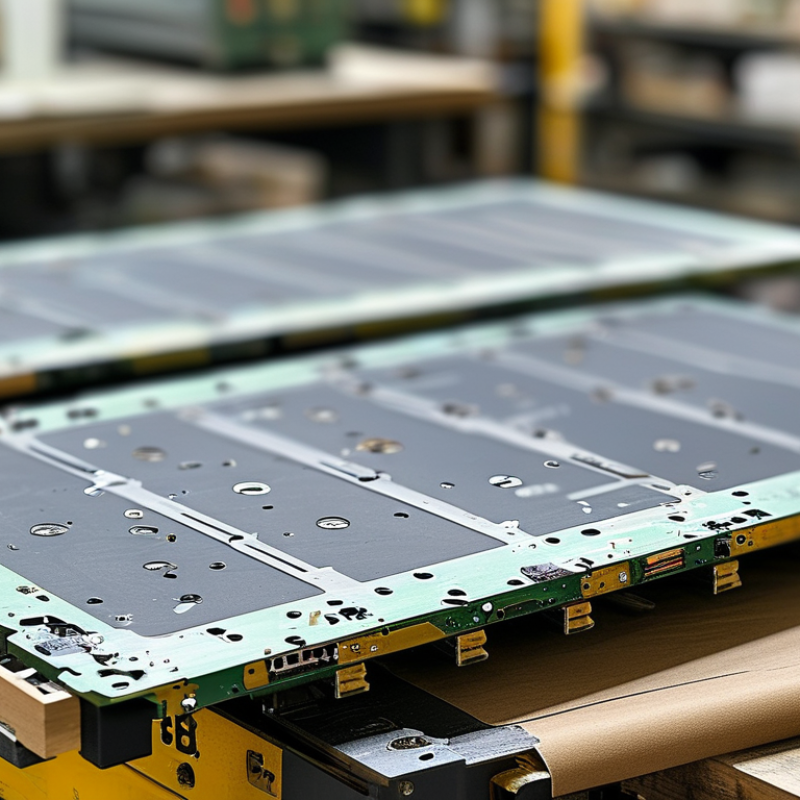
2026 How to Choose the Best Flexible Printed Circuit Board?
Choosing the right Flexible Printed Circuit Board (FPCB) can be daunting. Many factors influence this decision. A well-designed FPCB can enhance product performance. However, the wrong choice can lead to failures.
Quality should always be a priority. Look for manufacturers with a strong track record. Their experience often translates into reliability. Certifications are another essential aspect. They reflect adherence to industry standards. You need to know what specific requirements your project needs. Each application may demand unique features from an FPCB.
Additionally, consider the materials used in production. Different materials impact durability and flexibility. Testing is crucial. Be prepared to review sample boards before making a large order. Missteps in this area can result in costly mistakes. You must approach this decision with careful consideration and a clear understanding of your project’s needs.
Understanding Flexible Printed Circuit Boards and Their Applications
Flexible printed circuit boards (FPCBs) have become essential in many industries. Their unique design allows them to bend and twist, making them ideal for compact spaces. Electronics, automotive, and medical devices increasingly rely on these circuits for efficiency and reliability.
The applications of FPCBs are vast. In consumer electronics, they provide lightweight solutions for smartphones and wearables. In automotive applications, they enhance connectivity between sensors and control units. Medical devices benefit from FPCBs due to their ability to integrate complex functionalities in small sizes. However, designing these boards needs careful consideration. The choice of materials and layout can significantly impact performance and durability.
Many people overlook the potential challenges in flexible PCB design. Variability in manufacturing processes can lead to inconsistent quality. Understanding these aspects is crucial for engineers. They must assess the suitability of materials, as some can be more fragile than traditional PCBs. Reliable testing during development helps identify weaknesses. Embracing these challenges can lead to innovative solutions that drive the future of technology.
Key Factors to Consider When Choosing Flexible Printed Circuit Boards
When selecting a flexible printed circuit board (FPCB), consider several key factors. The material type is essential. Polyimide is common due to its thermal stability. However, it may not suit all projects. Evaluate if alternative materials like polyester could meet your needs.
Another significant factor is the design complexity. More intricate designs require advanced manufacturing techniques. Ensure your manufacturer can handle your specific design requirements. Tolerances are also crucial. Tight tolerances can improve performance but may increase costs. Balancing performance and budget can be challenging.
Thermal management must not be overlooked. FPCB can generate heat during operation. Assess the need for vias and thermal vias to disperse heat effectively. Think about the board's intended application. Industry standards may guide material and design choices. Yet, they may not cover every unique situation. This helps highlight the importance of custom solutions tailored to individual projects.
2026 How to Choose the Best Flexible Printed Circuit Board? | Key Factor | Description | Importance Rating (1-5) |
| Material Type | Choosing the right substrate material affects flexibility, durability, and performance. | 5 |
| Layer Count | Determines complexity and the amount of components that can be placed on the PCB. | 4 |
| Thickness | Affects flexibility and strength. Thicker layers may provide more durability but less flexibility. | 3 |
| Flexibility | Required flexibility based on product design, ranging from static to dynamic applications. | 5 |
| Environmental Resistance | Resistance to temperature, moisture, and chemicals, ensuring longevity in various conditions. | 4 |
| Fabrication Tolerance | Refers to the precision in manufacturing to meet design specifications and reliability. | 4 |
| Cost | Consider overall budget and return on investment regarding the quality and performance needed. | 3 |
| Supplier Reliability | Assessing the supplier's track record for quality, delivery timing, and support services. | 5 |
Material Types and Their Impact on Performance and Durability
When selecting a flexible printed circuit board (FPCB), material types play a crucial role in performance and durability. The choice between materials like polyimide and polyester significantly affects the circuit's thermal stability and mechanical flexibility. For instance, polyimide offers higher temperature resistance, making it suitable for applications in harsh environments. On the other hand, polyester is more cost-effective but lacks the same thermal properties. This consideration can impact the longevity of the final product.
Durability is also determined by the substrate thickness and the type of copper used. Thinner substrates may lead to lighter designs but can compromise strength. Weighing these factors is essential. Additionally, some materials are more susceptible to bending fatigue, which can lead to failure over time. Understanding how these aspects interact can help create a more reliable FPCB.
It's essential to consider how the application environment influences material choice. Exposure to moisture, chemicals, or extreme temperatures can degrade performance. Many overlook these factors initially, leading to unforeseen issues later on. Regular consultation with material experts can clarify these complexities. Balancing performance with cost requires thoughtful deliberation. Each project presents unique challenges that need careful evaluation.
Performance and Durability of Different Flexible Printed Circuit Board Materials
Design and Manufacturing Techniques for Flexible Printed Circuit Boards
When exploring the design and manufacturing techniques for flexible printed circuit boards (FPCBs), understanding material selection is crucial. According to industry reports, the global FPCB market is expected to reach $34.6 billion by 2026. This demand is driven by advancements in electronics, particularly in wearables and mobile devices. Utilizing high-quality materials can significantly enhance reliability and performance.
Designing FPCBs requires a careful approach to layout and flexibility. Engineers must balance trace routing with the mechanical properties of materials. The choice of polyimide, for instance, offers excellent thermal stability and electrical insulation. Reports indicate that improper design can lead to failures, with up to 30% of prototypes failing due to layout issues. This highlights the importance of precision and expertise in the design process.
Manufacturing techniques also play a pivotal role. Options include methods like additive manufacturing and laser cutting. Each technique presents unique advantages and challenges. While additive manufacturing can reduce waste, it sometimes compromises on resolution. Conversely, traditional laser cutting ensures accuracy but may increase production timelines. The evolution of these techniques reflects a need for continuous learning and adaptation within the industry. Achieving optimal results necessitates not just technical skills, but a willingness to innovate and rethink established practices.
Cost Considerations and Budgeting for Your Flexible Circuit Needs
When budgeting for flexible printed circuit boards (FPCs), understanding costs is essential. It’s not just about the initial price. You need to consider material, design, and production costs. Each choice impacts the overall budget. For instance, materials like polyimide can vary widely in price. Cheaper options might reduce your budget but can compromise quality.
Design complexity also influences expenses. A simple design can be cost-effective. However, intricate patterns may raise costs. During design, it’s vital to assess the necessity of each feature. Not all enhancements are worth the additional expense. Evaluate your requirements carefully to avoid overspending.
Another factor is production volume. Lower quantities often lead to higher per-unit costs. Planning for larger runs can deliver savings. Yet, forecasting demand accurately is tricky. Trends may shift suddenly, leaving you with excess inventory. Consider flexibility in your planning to adjust for unexpected changes. Careful budgeting will benefit your FPC needs greatly.