How to Choose the Right Automatic Transfer Switch for Your Needs?
Choosing the right Automatic Transfer Switch (ATS) is crucial for both residential and commercial applications. A reliable ATS ensures a seamless power supply during outages. Selecting the correct switch can seem overwhelming due to the many options available. It's important to consider your specific needs first.
A good ATS should handle your electrical load effectively. Look at factors like power rating and features. Some switches provide additional functionalities, enhancing safety and efficiency. However, don’t overlook the importance of installation and maintenance. A poorly installed ATS can lead to issues down the line.
Experience matters when selecting an Automatic Transfer Switch. Seek expert opinions to find the best fit. Research manufacturers to understand their reputation and reliability. Sometimes, it's beneficial to reflect on past mistakes regarding equipment purchases. Learning from them can guide you towards making an informed choice.
Understanding Automatic Transfer Switches and Their Functions
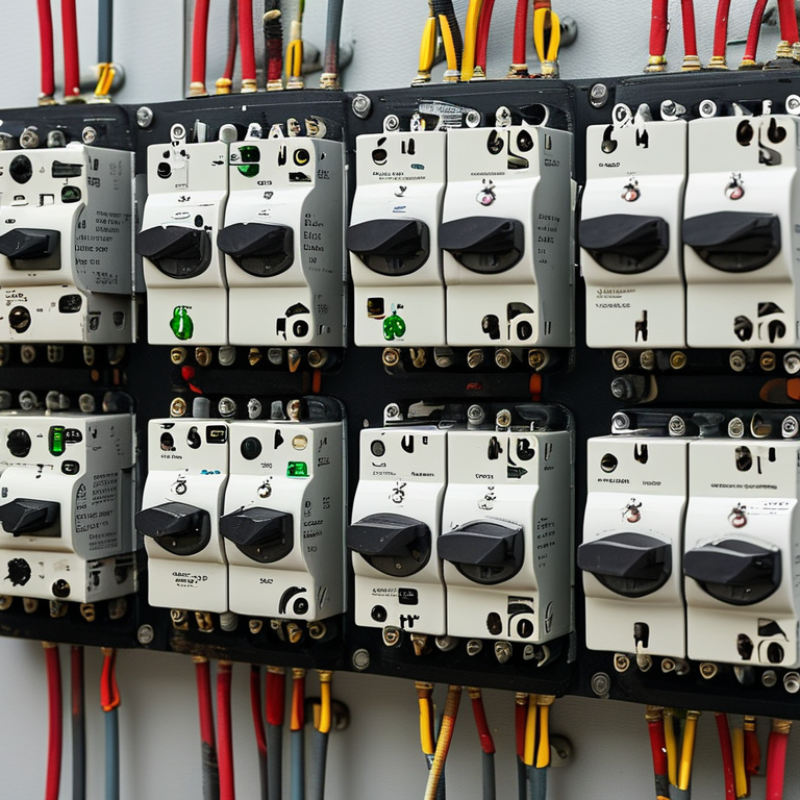
Automatic transfer switches (ATS) play a crucial role in ensuring a consistent power supply. These devices automatically switch the power source from the primary utility to a backup generator during an outage. Understanding how an ATS works is essential for making informed decisions about energy management and reliability. It monitors power quality and detects outages quickly, allowing for seamless transitions.
When selecting an ATS, consider your power requirements and usage patterns. Different applications, such as residential, commercial, or industrial, may require specific features. The transfer time, load capacity, and environmental conditions all play a role in this decision. Take the time to evaluate your needs. A poorly chosen ATS can lead to delays and inadequate power delivery.
Proper installation and maintenance are also vital for performance. An ATS that is not maintained may fail when it matters most. Regular testing and inspections help ensure reliability. Understanding these nuances can empower you to make better choices and avoid pitfalls in your power management strategy.
Power Demand Comparison for Automatic Transfer Switch Selection
Assessing Your Power Needs and Load Requirements
Assessing your power needs is crucial when selecting an automatic transfer switch (ATS). Begin by identifying the total load your equipment will require. This includes lights, appliances, and other systems that depend on electricity. Accurate calculations will help you avoid overloading the ATS. Consider both startup and running wattage to get a clear picture of your needs. Neglecting these specifics may lead to costly failures later on.
Beyond just numbers, think about reliability. How often will you rely on your backup power? If your business experiences frequent outages, a switch with a higher capacity may be necessary. Safety is another concern. Underestimating power requirements can result in overheating or equipment damage. Examine the potential risks when the power fails. These reflections will guide you in making a more informed decision.
Consider the environment where the ATS will be installed. Is it in a damp or dusty area? Conditions like these can affect the switch's performance. Your location may also dictate specific features or standards the ATS should meet. Gathering insights on these aspects, along with your power needs, will create a thorough assessment. Taking time to analyze this information will contribute to a reliable power supply.
Evaluating Types of Automatic Transfer Switches Available
When selecting an automatic transfer switch (ATS), understanding the different types is essential. ATS devices come in various configurations, each suited for specific needs. One common type is the open transition switch. This model transfers power between the utility and backup generator without any overlap. It's cost-effective but can cause brief interruptions during the transition.
For those who need a seamless shift, a closed transition switch might be preferable. It allows a smooth transfer of power, reducing downtime significantly.
Another option is the delayed transition switch. This device provides a short delay before switching, allowing the generator to stabilize before feeding power to the load. It’s beneficial for protecting sensitive equipment. However, the downside is that it may not meet urgent power needs immediately. Each type has its pros and cons, and the choice ultimately depends on your specific requirements.
Evaluating your power needs and potential risks is crucial before making a decision.
Consideration of factors such as load size, type of equipment, and criticality of power supply can guide your choice. Ensuring the ATS you choose aligns with your operational needs is vital. While some switches offer enhanced features, they can quickly become overwhelming. Remember to seek professional advice to navigate these complexities effectively.
Key Features to Consider in an Automatic Transfer Switch
When selecting an automatic transfer switch (ATS), several key features must be considered. The transfer switch should handle loads effectively. According to a report by the Electric Power Research Institute, roughly 75% of power interruptions are short in duration. A reliable ATS must start-up quickly to minimize downtime during these interruptions.
One critical consideration is the switch's transfer time. Ideally, it should transfer within seconds. Many ATS solutions provide transfer times between 1 to 30 seconds. Faster transfer times can significantly reduce the impact on sensitive electronic equipment, like servers and medical devices. A longer transfer time may cause operational issues, leading to potential data loss.
Tips: Assess your power requirements accurately. Ensuring the ATS meets peak load demands is crucial. Additionally, consider weatherproof designs if the switch will be outdoors. Moisture can lead to malfunctions.
Another aspect to factor in is the switch's ability to handle various load types. The ATS should manage both resistive and inductive loads effectively. An improperly matched switch can lead to overheating or failure. Some industry reports indicate that improper sizing is a common mistake, causing various operational challenges. Always consult with specialists to ensure the correct specifications are selected.
How to Choose the Right Automatic Transfer Switch for Your Needs? - Key Features to Consider in an Automatic Transfer Switch
| Feature | Description | Importance |
| Load Capacity | The maximum amount of electrical load the switch can handle. | Ensures safe operation of connected equipment. |
| Transfer Time | The amount of time it takes to switch from the primary to backup power source. | Critical for applications requiring minimal downtime. |
| Control Options | The various methods used to control the transfer switch, such as automatic or manual control. | Affects ease of use and reliability during power failure. |
| Enclosure Type | The physical housing that protects the switch, ranging from indoor to outdoor types. | Important for the durability of the switch in various environmental conditions. |
| Phase Configuration | The type of power phase the switch is designed for, such as single-phase or three-phase. | Necessary for compatibility with the power supply system. |
| Load Shedding Capability | Ability to disconnect non-essential loads during a power outage to preserve energy. | Helps in managing limited power resources effectively. |
| Smart Features | Integration with IoT solutions for remote monitoring and management. | Enhances control and monitoring capabilities for users. |
Installation and Maintenance Considerations for Your ATS
When installing an Automatic Transfer Switch (ATS), it is crucial to consider several key factors. The National Electrical Manufacturers Association (NEMA) reports that improper installation can lead to a failure rate of up to 15%. Therefore, ensuring that your ATS meets local electrical codes is essential. A qualified electrician should always handle installations. This keeps safety as a priority.
Regular maintenance is equally important. The Electrical Safety Foundation International states that 30% of electrical failures stem from a lack of maintenance. Schedule periodic inspections to check for wear and tear. You may notice corroded connections or loose terminals during these assessments. Neglected components can compromise performance. Ensure that your ATS is tested under full load at least annually, as this reveals any potential inefficiencies in the system.
Consider environmental factors too. Dust, humidity, and temperature variations significantly impact the ATS's performance. A dust-filtering system may benefit units located in industrial settings. Regular assessments of the operating environment can extend the life expectancy of your ATS. Understanding these aspects ensures that your system operates reliably when needed most.
