How to Choose the Right Automotive Hose Clamp for Your Needs?
Choosing the right Automotive Hose Clamp is essential for ensuring proper function and safety in vehicles. An automotive hose clamp secures hoses and maintains pressure in cooling systems, exhaust systems, and fuel lines. However, not all clamps are created equal. Different applications require different types of clamps.
When selecting a hose clamp, consider the specific requirements of your vehicle. Material, size, and design play crucial roles in performance and durability. For instance, stainless steel clamps resist corrosion and last longer. On the other hand, plastic clamps may be lighter but can struggle in high-temperature environments.
Additionally, many people overlook the importance of proper installation. A poorly installed clamp may lead to leaks or system failures. It’s not just about choosing the right clamp but also using it correctly. Take time to assess your needs and choose wisely, as an automotive hose clamp is a small but crucial component of your vehicle’s overall system.
Understanding Different Types of Automotive Hose Clamps
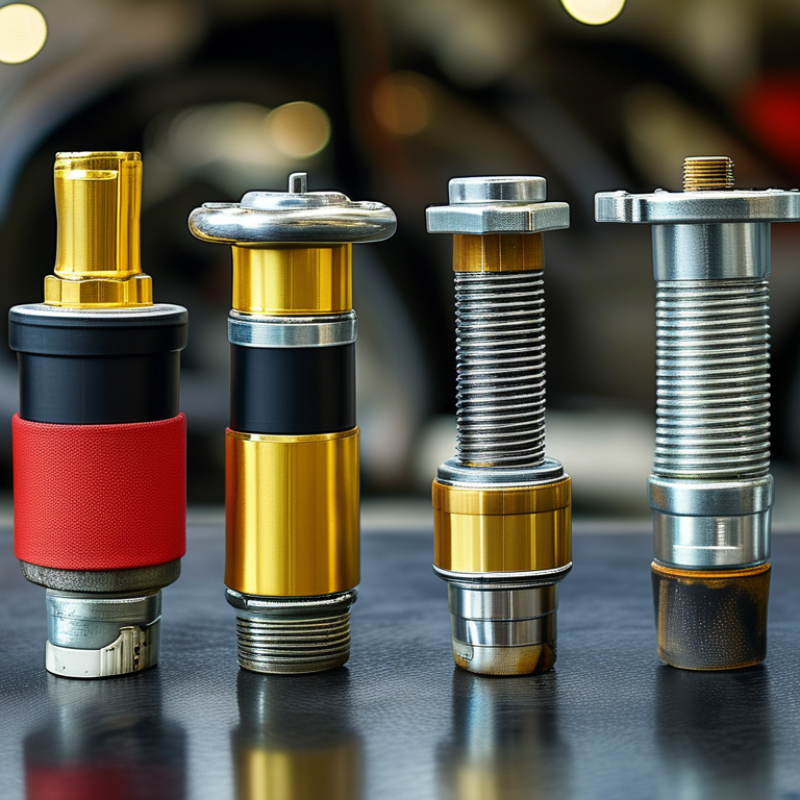
Automotive hose clamps are crucial for ensuring your vehicle’s hoses function effectively. Different types serve various needs. The most common types include worm gear clamps, spring clamps, and constant tension clamps. Worm gear clamps provide a reliable grip and are adjustable, making them versatile for different hose sizes.
Spring clamps are often used in applications where quick installation is important. They automatically adjust to changes in pressure and temperature. Constant tension clamps maintain a steady holding force on the hose, accommodating thermal expansion. Choosing the right type can improve efficiency but requires careful consideration of your specific application.
Factors to think about include the material of the clamp and the hose type. Some clamps may not hold up well against chemicals or high temperatures. It’s essential to assess your environment. A poorly chosen clamp can lead to leaks or system failures. Regular maintenance checks can help identify issues early. Ensure you know the requirements before making a decision.
Factors to Consider When Selecting a Hose Clamp
Choosing the right automotive hose clamp is crucial for ensuring system integrity. Many factors influence this decision. Understanding the material of the hose clamp is essential. For example, stainless steel is resistant to corrosion and offers longevity. Alternatively, plastic clamps might be sufficient for lower-pressure applications, but they have limitations in extreme conditions.
Another consideration is the clamp’s size. An ill-fitting clamp can lead to leaks or system failures. Industry reports suggest that wrong sizes account for 15% of failures in automotive applications. Additionally, the type of application should guide your choice. Clamps used in fuel lines must handle different pressures and temperatures compared to those in coolant systems.
Finally, check the clamp design. Some designs facilitate easy installation and removal. Factors like vibration and movement also impact the clamp selection. Using a quality tool during installation ensures proper torque, which is often overlooked. Many overlook these details, leading to premature failures. It's vital to invest time in choosing the right clamp to prevent long-term issues.
Automotive Hose Clamp Selection Factors
Comparing Materials: Metal vs. Plastic Hose Clamps
When selecting a hose clamp, consideration of material is crucial. Metal and plastic are the primary choices, with distinct advantages and drawbacks. According to industry reports, metal clamps offer durability and high-temperature resistance, making them ideal for automotive applications. They typically withstand temperatures up to 200°C and are less likely to crack under pressure. However, their weight may be a concern for some users seeking lighter alternatives.
Plastic hose clamps, on the other hand, are lightweight and resistant to corrosion. They are best suited for low-pressure applications and environments where rust could compromise functionality. Research shows that plastic clamps can support pressures around 30 psi, falling short compared to their metal counterparts. However, users must recognize that not all plastic clamps are created equal. Their lifespan may be affected by UV exposure and extreme temperatures, leading to potential failures.
User experiences reveal mixed opinions on both materials. Some prefer the reliability of metal clamps for critical applications. Others lean toward plastic for less demanding tasks. It's important to weigh these factors against specific needs. Assessing the environment and intended use can guide the decision-making process more effectively.
How to Choose the Right Automotive Hose Clamp for Your Needs? - Comparing Materials: Metal vs. Plastic Hose Clamps
| Feature | Metal Hose Clamps | Plastic Hose Clamps |
| Durability | High, suitable for high-pressure applications | Moderate, may not withstand extreme temperatures |
| Weight | Heavier | Lighter |
| Cost | Generally more expensive | Usually less expensive |
| Corrosion Resistance | Depends on coating; stainless steel offers high resistance | Good resistance to certain chemicals |
| Installation | May require special tools | Easy to install, often by hand |
| Applications | Automotive, industrial, high-pressure systems | Household, low-pressure applications |
How to Properly Install and Adjust Your Hose Clamp
When installing and adjusting a hose clamp, precision is key. Start by ensuring the clamp fits securely around the hose. The clamp should not be overtightened, which might damage the hose. A snug fit is essential for preventing leaks. Look for a small gap between the clamp and the hose surface.
Tips: Always clean the surface before installation. Debris can lead to ineffective sealing.
Next, position the clamp in an accessible area for future adjustments. Use a torque wrench if available, allowing for a precise fit. Avoid using excessive force, which can lead to failure over time. Check that the hose is not pinched, as this can impair fluid flow.
Adjust the clamp by loosening it slightly if necessary. Recheck the alignment after adjustment. Listen for any unusual sounds which may indicate a loose connection. Regular inspections can help identify issues early.
Tips: Mark the clamp's original position. This can help in subsequent adjustments.
Common Mistakes to Avoid When Choosing Hose Clamps
When choosing an automotive hose clamp, common mistakes can lead to ineffective solutions. One frequent error is neglecting the material of the clamp. Different applications require specific materials to avoid corrosion or damage. For instance, stainless steel clamps are great for high-pressure environments. However, plastic clamps may break under pressure despite their lightweight appeal. Understanding these distinctions is essential.
Another mistake arises from selecting the wrong size. A clamp that is too tight can damage the hose, while one that is too loose can lead to leaks. Measuring the hose diameter accurately is crucial. Additionally, overlooking the proper installation techniques can lead to failures. Even a well-chosen clamp can fail if not fitted correctly. Pay close attention to how the clamp is positioned, ensuring it secures the hose without excess pressure.
Finally, many people forget to consider the operating conditions. Factors like temperature and exposure to chemicals should influence the clamp selection. Clamps not suited for extreme conditions may deteriorate quickly. Analyze the environment in which your hoses will function. Making informed choices here will enhance reliability and performance. Each step in the selection process deserves careful thought.
