What is Epoxy Polymer Concrete and Its Global Benefits?
Epoxy polymer concrete is a highly durable material. It combines traditional concrete with epoxy, resulting in a unique composite. This blend enhances strength and resistance to harsh environments. The applications of epoxy polymer concrete are vast and varied, spanning commercial, industrial, and residential sectors.
Globally, this material offers numerous benefits. It withstands heavy traffic loads and is resistant to chemicals, making it ideal for factories and warehouses. Moreover, its quick curing time allows for faster project completion. However, challenges do exist in its application. Proper mixing and curing are critical for optimal performance.
To fully appreciate the advantages of epoxy polymer concrete, ongoing research and practice are essential. Users must stay current with innovations and techniques. This awareness can significantly impact the effectiveness and reliability of projects using this advanced material.
Definition and Composition of Epoxy Polymer Concrete
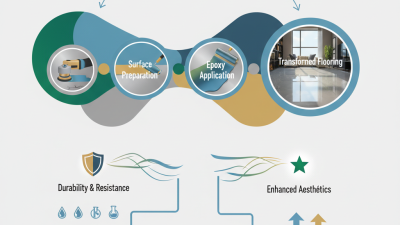
Epoxy polymer concrete is a composite material known for its strong bonding capabilities. It comprises epoxy resins, hardeners, and aggregates. These components work together to form a durable substance. The chemical reaction between the epoxy and hardener creates a rigid structure. This makes it ideal for various applications, including flooring and construction.
One notable feature of epoxy polymer concrete is its resistance to chemicals and moisture. This attribute often gives it an advantage over traditional concrete. However, its installation requires careful preparation. The surface must be clean and dry for effective bonding. If not done correctly, it can lead to delamination. Moreover, the curing time can vary. Environmental factors play a role in how quickly it hardens.
In terms of sustainability, epoxy polymer concrete can be formulated with recycled materials. This reduces its environmental footprint. Yet, not all formulations are equal in sustainability. Each project should consider the local climate and application needs. Proper evaluation can lead to better outcomes and longevity of the material.
Key Properties of Epoxy Polymer Concrete
Epoxy polymer concrete (EPC) stands out due to its unique properties and versatility. This composite material blends epoxy resins with aggregates. It exhibits excellent adhesion, durability, and resistance to chemicals. According to the Global Epoxy Resins Market Report, the demand for EPC is expected to grow significantly, driven by its use in industrial flooring and infrastructure projects.
One of the key properties of EPC is its rapid curing time. It can set in as little as 24 hours, allowing for quicker project completion. This efficiency is crucial in high-demand industries where downtime costs can escalate. EPC also boasts impressive compressive strengths, often exceeding 10,000 psi, compared to traditional concrete. This high strength makes it suitable for heavy loads and extreme conditions.
Moreover, EPC's resistance to moisture and thermal variations enhances its performance in diverse environments. However, the initial cost can be higher than traditional concrete, which may deter some users. Proper application requires skilled professionals to ensure optimal results. The sustainability of materials used in EPC may also warrant further exploration to enhance its overall green credentials in construction.
What is Epoxy Polymer Concrete and Its Global Benefits? - Key Properties of Epoxy Polymer Concrete
| Property |
Description |
Global Benefits |
| Durability |
High resistance to wear, chemicals, and moisture |
Increased lifespan of structures, reducing replacement costs |
| Adhesion |
Excellent bonding strength to various substrates |
Enhanced stability and structural integrity |
| Temperature Resistance |
Can withstand extreme temperatures |
Versatile applications in varying climates |
| Curing Time |
Fast curing process compared to traditional concrete |
Faster project completion, reducing labor costs |
| Aesthetic Versatility |
Available in a variety of colors and finishes |
Enhances visual appeal of surfaces |
Applications and Uses of Epoxy Polymer Concrete
Epoxy polymer concrete is gaining traction across various industries due to its unique properties. Its exceptional adhesion and durability make it ideal for high-stress environments. This innovative material excels in applications like industrial floors, airport runways, and warehouses. According to a report by the Global Construction Review, the demand for epoxy resins in construction is projected to witness a growth rate of 5.2% annually through 2026.
Common applications include bridge decks and structural repairs. Its resistance to chemical corrosion is beneficial in chemical plants. Epoxy polymer concrete can withstand harsh elements, ensuring longevity. However, its higher initial cost may deter some projects.
Tip: When considering epoxy polymer concrete, assess your environmental conditions. In humid areas, proper curing is essential for performance.
Moreover, concrete's rapid hardening offers a significant time advantage. This feature reduces downtime, making it suitable for busy infrastructure projects. Nevertheless, it is crucial to ensure proper mixing and application techniques. Small errors can lead to compromised strength, undermining its benefits.
Tip: Train the application team on best practices to avoid mistakes. Properly trained personnel ensure quality results.
Global Benefits of Using Epoxy Polymer Concrete
Epoxy polymer concrete (EPC) is gaining traction in the construction industry due to its numerous global benefits. This specialized material combines traditional concrete with epoxy resins, creating a strong and durable composite. According to a recent report by the International Journal of Engineering Research, EPC can outperform traditional concrete by 30% in compressive strength. This increase translates to more resilient structures and less frequent repairs.
Another significant advantage of EPC lies in its resistance to chemicals and temperature fluctuations. A study published in the Journal of Materials Science highlighted that EPC maintains its integrity in harsh environments. This property makes it ideal for industrial floors, bridges, and even infrastructure exposed to extreme weather. While the initial investment may be higher, the long-term savings from reduced maintenance are substantial. Companies can expect a return on investment after fewer than five years of use, based on recent market analyses.
Furthermore, the environmental benefits of EPC are noteworthy. The global push towards sustainable construction has prompted the use of recycled materials in its formulation. Despite these advantages, there is a learning curve associated with EPC. Proper mixing and application require skilled labor, which can limit its adoption in some regions. Still, as knowledge spreads, the potential for EPC as a cornerstone in modern construction continues to grow.
Global Benefits of Using Epoxy Polymer Concrete
Environmental Impact and Sustainability Considerations of Epoxy Polymer Concrete
Epoxy polymer concrete is becoming popular for its strong durability and resilience. However, its environmental impact raises questions. While its longevity reduces the need for frequent repairs, the production process can be energy-intensive. This contradiction is crucial for assessing its overall sustainability.
The materials used in epoxy polymer concrete are often derived from fossil fuels. This reliance exacerbates greenhouse gas emissions. Additionally, the curing process can release volatile organic compounds (VOCs), impacting air quality. The disposal of epoxy polymer concrete poses another challenge. It does not break down easily, leading to waste concerns.
Despite these issues, innovations are emerging. Researchers are exploring bio-based alternatives that could reduce environmental harm. Using recycled materials in the mix also shows promise. Balancing performance with ecological responsibility is essential. Continued evaluation of its lifecycle will guide improvements in sustainability practices.