Why Is Grey Concrete Popular in Modern Construction?
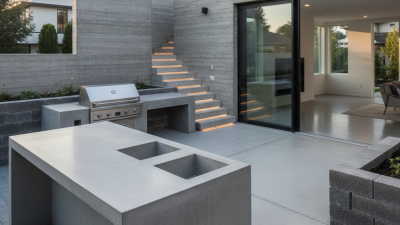
Grey concrete has gained significant traction in modern construction. Its popularity stems from various factors, including versatility and aesthetic appeal. Architects and builders are drawn to its clean, minimalist look. Many urban structures showcase grey concrete, blending seamlessly into city landscapes.
The material is also cost-effective, making it a choice for many projects. It requires less maintenance compared to other finishes. This practicality often outweighs the aesthetic limitations some might perceive. However, grey concrete can sometimes appear too dull or uninviting. It challenges designers to incorporate creativity into their projects to avoid monotony.
Moreover, the sustainability aspect of grey concrete cannot be overlooked. Many manufacturers focus on eco-friendly practices. Yet, using grey concrete requires careful consideration of the surrounding environment. While it offers many benefits, some projects may call for a splash of color or alternative materials. A balance must always be achieved between functionality and visual interest.
Factors Contributing to the Popularity of Grey Concrete in Construction
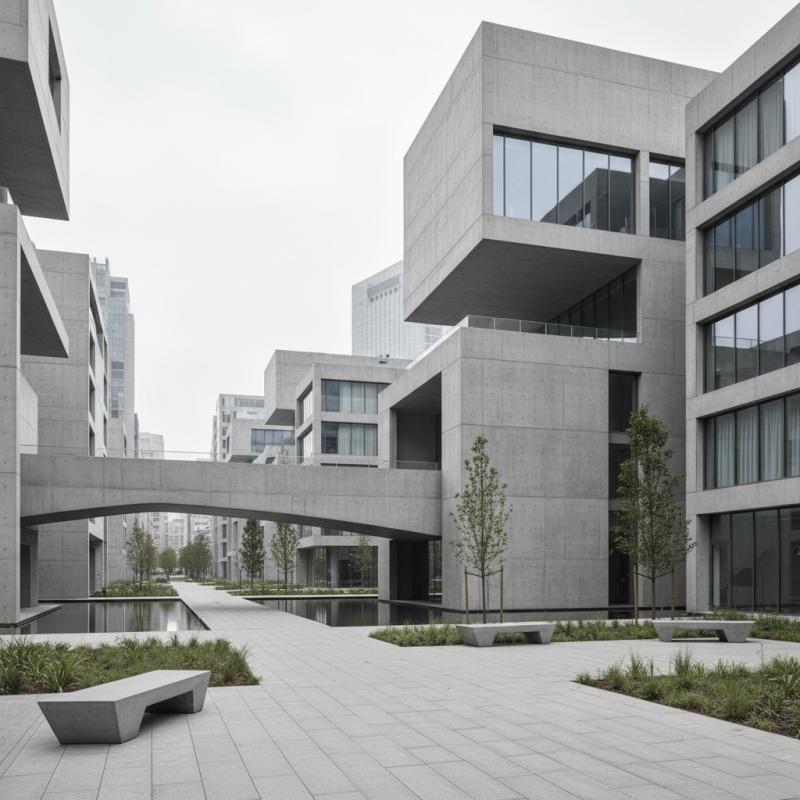
Grey concrete has gained immense popularity in modern construction for several reasons. One key factor is its versatility. It can be molded into various shapes and sizes, allowing for creative architectural designs. The neutral tone of grey complements various building styles, from minimalist to industrial.
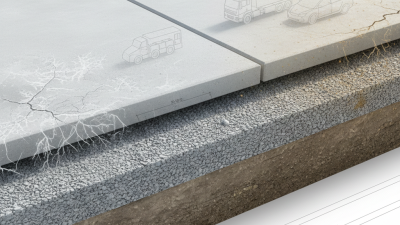
Another factor is the durability of grey concrete. It withstands harsh weather conditions and heavy loads, making it ideal for both residential and commercial buildings. This durability leads to lower maintenance costs over time. Builders appreciate the longevity that grey concrete provides.
Tips: When choosing grey concrete, consider the finish. A polished surface can enhance aesthetics, while a rough texture adds character. Experiment with different shades of grey to find the perfect match for your project. Also, be mindful of the curing process. Proper curing can prevent cracks and increase strength. Remember, small details matter in achieving long-lasting results.
Factors Contributing to the Popularity of Grey Concrete in Construction
| Factor |
Description |
Impact on Popularity |
| Cost-Effectiveness |
Grey concrete is often cheaper to produce and install compared to decorative alternatives. |
High |
| Durability |
It has a high resistance to wear and environmental conditions, prolonging the lifespan of structures. |
Very High |
| Versatility |
Suitable for a variety of construction projects ranging from residential to commercial buildings. |
High |
| Sustainable Options |
Modern grey concrete incorporates recycled materials, appealing to eco-conscious builders. |
Moderate |
| Aesthetic Appeal |
The sleek and minimalist look of grey concrete aligns with contemporary design trends. |
High |
Aesthetic Appeal: The Modern Look of Grey Concrete
Grey concrete has emerged as a favorite in modern architecture. Its sleek, minimalist aesthetic aligns perfectly with contemporary design principles. The neutral tone adds sophistication to both indoor and outdoor spaces. Architects and designers appreciate its versatility. Grey concrete can fit seamlessly into various styles, from industrial to chic urban settings.
The texture of grey concrete offers depth. When paired with natural elements, it creates stunning contrasts. Think of sleek concrete against lush greenery or warm wood accents. This marrying of materials can bring a space to life. However, there are challenges. Without careful finishing, grey concrete can appear dull or lifeless. It's essential to consider texture and form to avoid an uninspired look.
Incorporating grey concrete requires reflection on its potential pitfalls. Its cold feel may not suit every environment. Spaces can sometimes seem stark or uninviting. Balancing grey concrete with softer elements can enhance warmth. Consider vibrant art pieces or colorful furniture to break the monotony. These choices can elevate the overall experience in a grey-concrete space.
Cost-Effectiveness: Economic Benefits of Using Grey Concrete
Grey concrete is widely used in modern construction. Its cost-effectiveness is a major factor behind this trend. The raw materials needed for grey concrete are often more affordable than alternatives. This makes grey concrete an attractive option for builders working with tight budgets.
One significant benefit is its durability. Grey concrete can withstand harsh weather conditions. It requires less maintenance over time, which reduces long-term costs. However, it might lack the aesthetic appeal of colored concrete. This can be a drawback for projects aiming for a unique look.
Many contractors appreciate the versatility of grey concrete. It can be molded into various shapes and sizes. But, this versatility comes with a caveat; not all designs work well with this material. The stark color may not suit every architectural vision. Balancing budget constraints and design aspirations is tricky but essential.
Durability and Longevity: Why Grey Concrete Stands the Test of Time
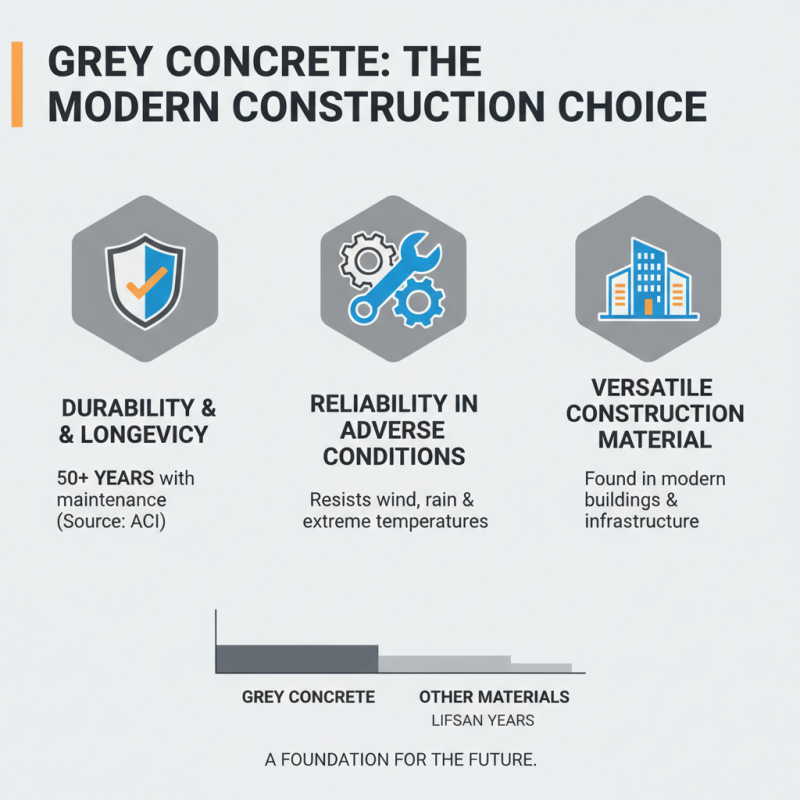
Grey concrete has established itself as a dependable choice in modern construction. Its durability is one reason this material is favored. According to a report by the American Concrete Institute, structures made with concrete can last over 50 years with proper maintenance. The resilience of grey concrete against harsh weather conditions plays a crucial role in its longevity. Projects exposed to wind, rain, or extreme temperatures often rely on this material's strength.
Another key fact is its low maintenance cost. The National Ready Mixed Concrete Association notes that maintenance for concrete surfaces is significantly lower than other building materials. Regular inspections and minor repairs can keep concrete structures in excellent condition. However, neglect can lead to deterioration. This is a reminder that even the most durable materials require attention.
Aesthetically, grey concrete offers versatility. It serves as a canvas for architectural designs, allowing for creativity while maintaining functionality. Yet, some may view its uniform color as bland or uninspired. Addressing these perceptions could enhance appreciation for its robustness and adaptability. Overall, grey concrete remains an essential cornerstone of modern building practices, proving that practicality can coexist with design.
Sustainability Considerations in the Use of Grey Concrete
Grey concrete has gained popularity for its aesthetic appeal and versatility in modern construction. However, its sustainability aspects often go unnoticed. This material effectively captures energy, reducing heat absorption in buildings. It helps keep indoor environments cooler, cutting down on air conditioning costs.
Tips: When choosing concrete, consider local sourcing. This minimizes transportation impacts. Recycling old concrete can also offer environmental benefits. It diverts waste from landfills and reduces the need for raw materials.
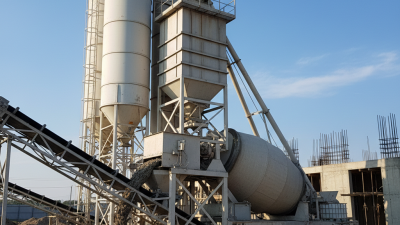
Despite its advantages, grey concrete isn't without drawbacks. The process of cement production generates significant CO2 emissions. This poses a challenge for builders seeking greener options. Exploring alternatives, such as lower-carbon binders, can help mitigate this issue. Yet, implementation remains inconsistent across projects, highlighting the need for ongoing improvement and innovation in construction practices.
Why Is Grey Concrete Popular in Modern Construction? - Sustainability Considerations in the Use of Grey Concrete