China Top Mining Loaders Manufacturers How to Choose?
Choosing China’s top Mining Loaders manufacturers requires more than comparing prices and horsepower. A loader may look impressive in a catalog, yet perform poorly underground. Real selection depends on working conditions, service capability, and verified machine quality. This guide explains how to evaluate suppliers with practical industry criteria.
Mining loaders operate under severe pressure. Narrow headings, wet floors, sharp rocks, and long shifts expose weak designs quickly. Check bucket capacity, turning radius, ground clearance, breakout force, and operator visibility. Diesel and electric models also require different maintenance plans. Electric loaders may reduce underground emissions, but battery charging systems need careful planning. Diesel units can offer longer operating flexibility, but ventilation costs may increase.
Reliable manufacturers should provide traceable specifications, factory testing records, spare-parts support, and clear warranty terms. Ask for references from mines using similar equipment. Request service response times, technician availability, and training arrangements. A strong supplier should explain failure risks honestly. Vague answers deserve caution.
Look closely at weld quality, hydraulic routing, tire protection, cabin ergonomics, and control layout. These details affect downtime and operator fatigue. Request a demonstration, not only a brochure. Inspect the loader under realistic loads when possible. Small details matter.
Price still matters, but the lowest quotation may hide expensive delays. Compare total ownership costs across several years. Include fuel, electricity, tires, filters, batteries, labor, and planned maintenance. No shortlist is perfect. Specifications can be incomplete, and supplier promises may change. Recheck important claims through documents and customer feedback. With disciplined evaluation, buyers can identify dependable Chinese Mining Loaders manufacturers and select equipment suited to their actual mine conditions.
Types of Mining Loaders and Their Main Applications
China Top Mining Loaders Manufacturers How to Choose?
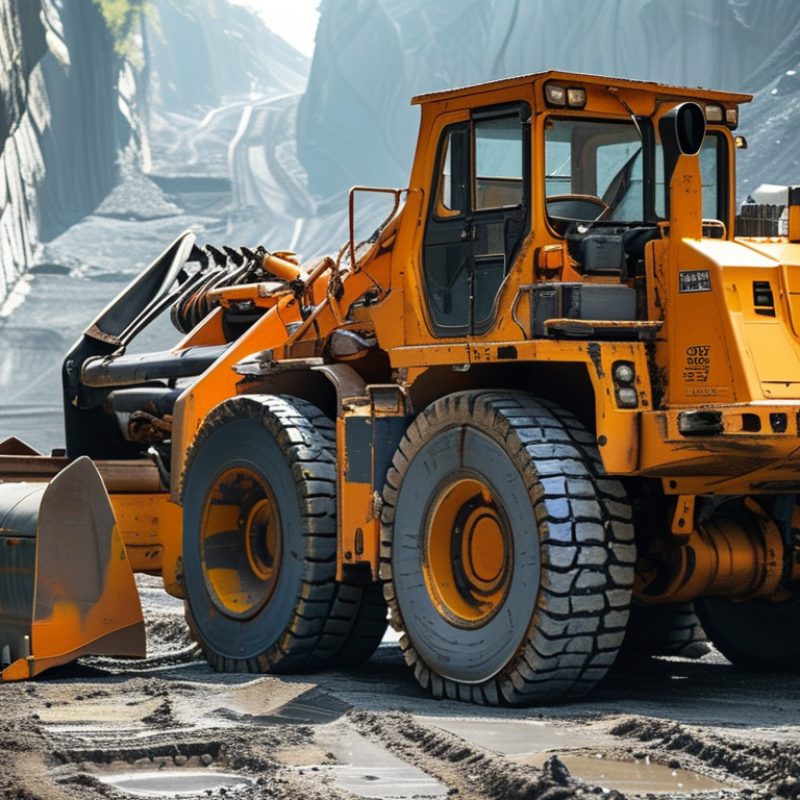
Mining loaders differ by working environment, not appearance. Underground LHD loaders suit narrow tunnels, low roofs, and short-distance mucking. Their articulated frames reduce turning space, while remote operation can improve safety near unstable faces. Front-end wheel loaders fit open-pit mines, stockpiles, and loading areas with firm surfaces. Track loaders offer better traction on soft ground, but their travel speed is usually lower.
Electric and battery-powered loaders are gaining attention underground. They can reduce diesel exhaust and ventilation demand, although charging time and battery cooling require careful planning. The International Energy Agency’s Global Critical Minerals Outlook 2024 reported that lithium demand grew by nearly 30% in 2023. This pressure encourages mines to improve material handling efficiency. Still, cleaner power does not automatically mean lower operating costs.
Choose by payload, bucket capacity, turning radius, breakout force, and duty cycle. A large bucket looks productive. It may overload weak haul roads. The U.S. Geological Survey reported global copper mine production of about 22 million metric tons in 2023, showing why dependable high-volume loading remains important. Match the loader to truck capacity and haul distance. Check ground clearance, tire protection, brake performance, and service access. Small design details matter. A neglected access panel can delay a shift. Manufacturer selection should include parts availability, technician response, operator training, and verified fuel or energy data. No loader is perfect; mine conditions change, and the original choice may need honest review.
Key Specifications for Comparing Mining Loader Manufacturers
China Top Mining Loaders Manufacturers How to Choose?
When comparing mining loader manufacturers, start with measurable specifications, not advertising claims. Check rated payload, bucket capacity, breakout force, and complete loading cycle time. A larger bucket is not always better. It may overload the hydraulic system or reduce stability on rough haul roads. Match the loader to your material density, bench height, turning space, and daily production target.
Examine engine power, hydraulic pressure, fuel consumption, and cooling performance under continuous operation. Frame strength and axle capacity matter when the loader works around sharp rocks and uneven ground. Review ground clearance, tire size, visibility, braking response, and cabin protection. Ask manufacturers for verified test records, maintenance intervals, warranty terms, and spare-parts availability. Service response can decide whether a machine earns money or waits idle. One detail is often missed: compare total operating cost, not only the purchase price. My earlier focus on bucket size was too narrow; cycle reliability deserves equal weight.
Tips: Request a supervised site test with your actual material. Measure loading time, fuel use, operator comfort, and hydraulic temperature. Inspect welds, hose routing, access panels, and warning systems. Speak with maintenance technicians, not only sales staff. If the manufacturer avoids precise data, treat that as a warning.
How to Evaluate China’s Top Mining Loader Manufacturers
Choosing among China’s top mining loader manufacturers requires evidence, not impressive catalog language. The IEA’s Global Critical Minerals Outlook 2024 projects lithium demand to rise nearly ninefold by 2040 under stated policies. This pressure increases demand for reliable loading equipment. Ask each manufacturer for measured payload, bucket fill factor, cycle time, and fuel or electricity use. Factory figures can look excellent. They may not reflect dusty, steep, high-altitude sites.
Evaluate machines against ISO 19296:2018 safety requirements for mobile mining equipment. Check braking performance, operator visibility, emergency isolation, fire protection, and access around the engine bay. Request independent test records, not only internal reports. A useful trial should load the same material repeatedly, with a scale confirming actual payload. Small details matter, such as cold-start time and hydraulic response after several hours.
After-sales capability often separates a dependable supplier from a risky purchase. Ask for spare-parts lead times, technician coverage, remote diagnostics, and warranty exclusions. Deloitte’s Tracking the Trends 2024 report identifies productivity, digitalization, and workforce capability as major mining priorities. Therefore, inspect the loader’s monitoring system and training process. Do not overvalue dashboards. A simple alert that reaches a mechanic may outperform a complex platform. I would also visit an operating mine, although one site cannot prove long-term reliability. Review maintenance logs, tire wear, component failures, and real repair invoices before approving a fleet order.
A Step-by-Step Guide to Choosing the Right Mining Loader Supplier
China Top Mining Loaders Manufacturers: How to Choose?
Choosing the right mining loader supplier requires more than comparing catalog prices. Start by defining your working conditions, including rock hardness, tunnel width, loading distance, and daily production targets. A loader designed for open-pit work may perform poorly in a narrow underground heading. Write these requirements before contacting manufacturers.
Check the supplier’s technical evidence carefully. Request payload data, bucket capacity, turning radius, engine specifications, braking performance, and test records. Ask whether the machine supports your local power, ventilation, and safety requirements. Service capability matters just as much. Confirm spare-parts availability, technician response times, operator training, and warranty limits. A low purchase price means little if a damaged hydraulic hose stops production for weeks.
Speak with current users, not only sales representatives. Ask about fuel use, tire wear, breakdown frequency, and communication after delivery. If possible, inspect the assembly facility and watch a loader operating under a realistic load. Do not skip the uncomfortable questions. No checklist is perfect. A supplier may appear dependable on paper, yet respond slowly during a real breakdown. Review the total ownership cost, including transport, maintenance, training, and resale value. Then compare suppliers using the same written criteria, and record every unresolved concern before signing.
