What is an Industrial PC and How Does it Benefit Your Business?
In today’s rapidly evolving industry, businesses face numerous challenges. One solution that stands out is the Industrial PC. This powerful and reliable computing option enhances productivity in various sectors. Unlike standard PCs, Industrial PCs are built to operate in harsh environments. They resist dust, moisture, and extreme temperatures. This durability ensures continuous performance in demanding situations.
Many companies benefit from integrating Industrial PCs into their operations. They streamline processes and enhance efficiency. With advanced features tailored for industrial applications, these PCs improve data collection and processing. This boosts operational effectiveness and reduces downtime. Adopting Industrial PCs can be a significant step toward modernization.
However, not all businesses fully understand their potential. Some may struggle to integrate these systems into existing frameworks effectively. It's essential to assess specific needs before implementation. Understanding how Industrial PCs can fit into your business model is crucial. Embracing this technology could redefine operational capabilities and drive growth. Consider the many ways an Industrial PC could benefit your organization.
Understanding the Basics of Industrial PCs
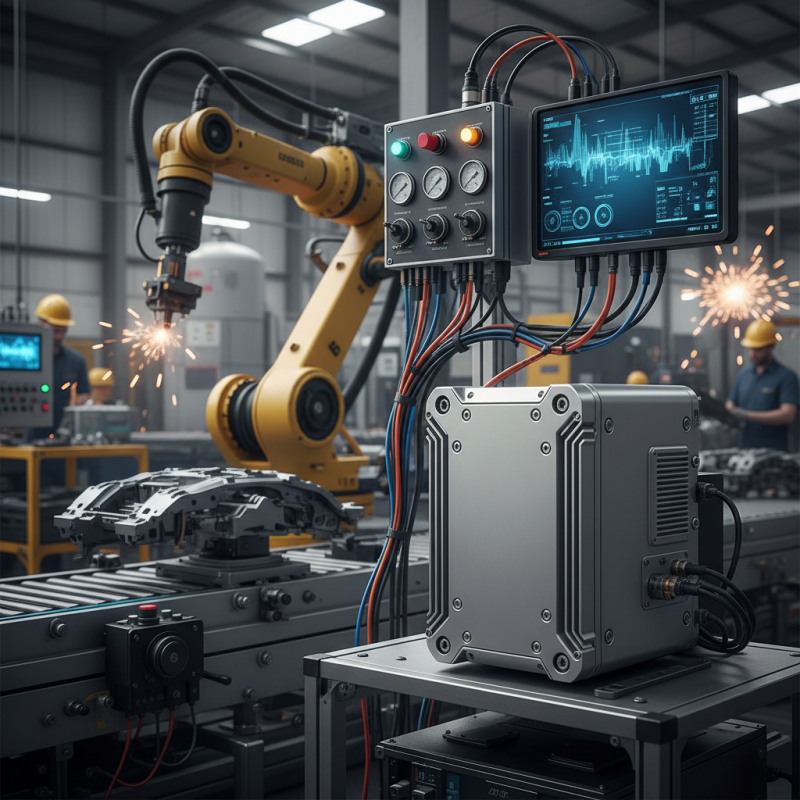
Industrial PCs (IPCs) are designed for demanding environments. They are robust and reliable, making them suitable for various industries, including manufacturing, logistics, and transportation. These systems endure extreme temperatures, dust, and vibrations, ensuring consistent performance. Understanding IPCs will help you make better decisions for your business.
When choosing an industrial PC, consider its applications. Look at the environment where it will operate. Ensure the IPC can handle the required workload. Pay attention to connectivity options. This is crucial for data transfer and integration with existing systems. This attention to detail may prevent future issues.
Tips: Regular maintenance is key. Check the hardware components frequently. Keep software updated. This helps prolong the life of your IPC. Also, invest in a robust power supply. A reliable power source can prevent unexpected shutdowns. Mistakes in these areas can disrupt operations. Be proactive to maintain performance.
What is an Industrial PC and How Does it Benefit Your Business?
| Feature | Description | Benefit to Business |
| Durability | Built to withstand harsh industrial environments including extreme temperatures, humidity, and vibrations. | Reduces the risk of device failures and maintenance costs. |
| Compact Design | Smaller form factors suitable for tight spaces on factory floors. | Maximizes space efficiency and integrates easily into existing setups. |
| Longevity | Extended lifecycle compared to consumer-grade PCs, often 5-10 years. | Lower total cost of ownership over time due to less frequent replacements. |
| Customizability | Can be customized to fit specific application needs with tailored hardware and software. | Improves productivity by ensuring the system meets operational requirements. |
| Connectivity | Supports various industrial protocols such as Ethernet/IP, Modbus, etc. | Enhances communication between machines and systems, leading to improved automation. |
Key Features of Industrial PCs that Differentiate Them
Industrial PCs are designed for challenging environments. They operate reliably in factories, warehouses, and outdoor settings. The durability of these devices sets them apart from standard PCs. They often come with rugged casings and enhanced thermal management systems. This enables them to withstand vibrations, extreme temperatures, and dust.
Another key feature is their extended lifecycle. Industrial PCs are typically built to last longer than consumer-grade models. This longevity reduces the frequency of replacements. Businesses can save on costs related to equipment failures and downtime. Furthermore, they often support a wide range of connectivity options. This ensures seamless integration with existing machinery and systems.
Real-time data processing is vital for many industries. Industrial PCs can handle this task efficiently. They can process data at high speeds, enabling quick decision-making. However, some companies might find the initial investment high. It’s essential to weigh this against potential long-term savings. Reliability in critical applications doesn't always come cheap. It’s a balance that requires careful assessment.
Benefits of Industrial PCs for Businesses
Advantages of Using Industrial PCs in Business Operations
Industrial PCs (IPCs) are rugged computers designed for special business environments. They can handle extreme temperatures, dust, and vibrations. This durability makes them ideal for manufacturing, automation, and logistics. Businesses find value in their reliability. They reduce downtime and increase productivity. An IPC can run in harsh conditions without failure.
When integrating IPCs into operations, consider their scalability. They can adapt to changing business needs. This flexibility helps businesses stay competitive. Properly configured IPCs support future upgrades easily. They can accommodate advanced technologies like AI and IoT. This ensures your business remains at the forefront of innovation.
**Tip:** Regular maintenance is crucial. Periodic checks can prevent unexpected failures. Also, assess your specific needs before choosing hardware. Different setups work better for varying tasks. Investing time in planning saves costs in the long run.
Applications of Industrial PCs Across Various Industries
Industrial PCs are crucial in various industries, offering robust performance tailored for harsh environments. In manufacturing, they streamline operations and enhance productivity. According to a recent report, automation can increase factory output by up to 30%, directly connected to the reliability of computing hardware.
In transportation, Industrial PCs enable real-time data processing. This capability improves logistics and fleet management. Research shows that optimizing route analysis can save companies up to 20% in fuel costs.
Tips: Ensure you select the right IPC based on your specific needs. Consider processing power and environmental resilience. Also, regular maintenance checks are vital for long-term performance. Investing in better technology can lead to significant cost savings, although the initial investment might seem daunting. A well-chosen IPC can evolve with your business, but you may need to reconsider your current strategies.
Choosing the Right Industrial PC for Your Business Needs
Choosing the right industrial PC for your business is a critical decision. The right model can enhance productivity and streamline operations. Look for systems with rugged designs. They should withstand extreme temperatures, vibrations, and dust. In harsh environments, a reliable PC is essential.
Consider the performance requirements. Research shows that around 75% of industrial processes rely on real-time data. A powerful processor ensures quick data processing. For instance, models with Intel’s latest CPU can perform up to 40% faster. This helps in making timely business decisions.
Don't overlook connectivity options. Many industrial PCs come equipped with various ports for communication. Seamless integration with IoT devices is key. A report by Industry Week highlights that connected systems can improve operational efficiency by 30%. Evaluating your specific needs is critical. Not every option suits every application. Therefore, assessing compatibility with existing systems is vital. Exploring multiple products will ensure the best fit for your operations.
