What is PCB Assembly and Why is it Important for Businesses?
PCB Assembly is a critical process in the electronics industry. It involves connecting Electronic Components to a printed circuit board (PCB). This process ensures that devices function correctly and efficiently. Understanding PCB assembly is vital for businesses aiming to create high-quality products.
Companies rely on PCB Assembly to build reliable devices. The precision in this process can directly impact product performance. Not all PCB assembly methods are equal. Some may not meet the required standards. This variability can lead to product failures, which affects business reputation. It’s essential to choose qualified manufacturers for this reason.
Investing in quality PCB assembly processes brings long-term benefits. Businesses can reduce costs by minimizing defects and improving product reliability. However, companies must remain vigilant. They need to continuously assess their PCB assembly practices. Ensuring high standards is key to maintaining competitive advantages in the market.
What is PCB Assembly?
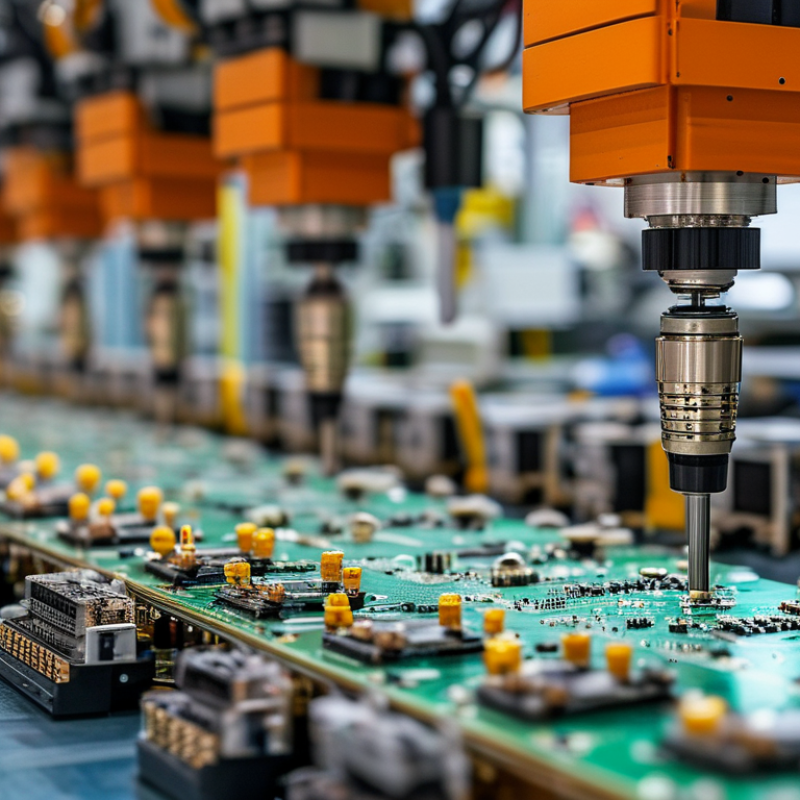
PCB assembly is the process of connecting electronic components to a printed circuit board (PCB). It transforms a design into a functional product. Each step in this process requires precision and expertise. Components include resistors, capacitors, and integrated circuits. They must be placed accurately to ensure proper functionality. The assembly methods can vary; surface mount and through-hole are common techniques.
Quality control during assembly is crucial. Even small defects can lead to failures. Manufacturers often implement testing procedures. This ensures every board meets required standards. Understanding common pitfalls can improve outcomes. Errors during assembly can incur costs and delay time-to-market.
PCB assembly holds significant importance for businesses in electronics. Efficient assembly can enhance production speed and product reliability. Also, a well-assembled PCB can impact customer satisfaction. In a competitive market, delivering quality products is essential. A single mistake can damage reputation. Hence, mastering PCB assembly is vital for success.
The Components of PCB Assembly
PCB assembly involves several crucial components that come together to create functional electronic devices. At the core are the printed circuit boards (PCBs), which serve as the foundation for electronic circuits. These boards are made from insulating material, usually fiberglass, and feature conductive pathways that connect various electronic components. Understanding their composition is essential for anyone involved in electronics.
Next come the components that populate the PCB. Key elements include capacitators, resistors, and integrated circuits. Each component plays a specific role, affecting the overall performance of the device. Capacitors store energy, while resistors manage current flow. Integrated circuits combine multiple functions in a single package, contributing to space-saving designs.
However, the assembly process can be prone to errors. Placement accuracy is critical. Misaligned components can cause failures. Furthermore, quality checks are sometimes inadequate, leading to faulty products. These issues highlight the importance of meticulous attention to detail. Companies must prioritize training and develop strong quality assurance protocols to address these challenges effectively.
The Process of PCB Assembly Explained
PCB assembly is a complex yet crucial process in the manufacturing of electronic devices. It involves several key steps, including component placement, soldering, and testing. Each step requires precision and attention to detail. During component placement, machines pick and place components onto the printed circuit board. This stage is essential. Misalignment can lead to performance issues or complete failure.
Soldering follows placement. It can be done through various methods, like wave soldering or reflow soldering. Each method has its benefits and challenges. Proper soldering ensures strong electrical connections. Testing is the final step. This phase verifies whether the assembled PCB functions as intended. Sometimes, defects go unnoticed, leading to costly recalls or dissatisfied customers.
Understanding the PCB assembly process is vital for businesses. It affects product quality, time to market, and overall costs. Companies must invest in skilled workers and quality control systems. Knowledge of assembly technologies can provide a competitive edge. However, mistakes in this area can be costly. Businesses must continually evaluate their processes for improvement. Effective PCB assembly is not just about current needs; it's about future innovations as well.
Benefits of PCB Assembly for Businesses
PCB assembly plays a crucial role in various industries. It integrates electronic components into a printed circuit board, facilitating the functionality of devices. According to a report by ResearchAndMarkets, the global PCB assembly market is projected to reach $98.1 billion by 2027. This growth emphasizes its vital importance for businesses.
One of the primary benefits of PCB assembly is cost efficiency. By streamlining production processes, businesses can significantly reduce manufacturing costs. A well-implemented assembly process minimizes waste. This can improve return on investment. Additionally, a study from IPC indicates that companies using advanced assembly technologies see up to 30% reduction in error rates. Error reduction lowers rework costs and enhances quality assurance.
Another advantage is design flexibility. With rapid advancements in technology, businesses require versatile PCB designs. Manufacturers can create custom boards tailored to specific needs. This adaptability helps companies stay competitive. However, reliance on complex designs can lead to longer lead times. Streamlined communication is essential. It ensures that design updates and changes are implemented swiftly, preventing delays. Balancing innovation with efficiency is key for businesses navigating PCB assembly challenges.
Common Applications of PCB Assembly in Various Industries
PCB assembly plays a crucial role in numerous industries by enabling the production of electronic devices. It is a process that involves placing and connecting electronic components on a printed circuit board. Common applications of PCB assembly can be found in sectors such as consumer electronics, automotive, healthcare, and aerospace.
In consumer electronics, PCB assembly is fundamental. Smartphones, tablets, and televisions all rely on intricate circuit boards. These devices require precision and quality, as failures can lead to significant customer dissatisfaction. In the automotive sector, PCB assemblies control various functions like engine management and safety systems. It is vital for manufacturers to ensure reliability, as any malfunction can have serious consequences.
Healthcare applications also benefit greatly from PCB assembly. Medical devices such as diagnostic equipment and monitoring systems rely on reliable PCBs. The stakes are high, making it essential for manufacturers to adopt stringent quality control measures. Meanwhile, the aerospace industry uses advanced PCB assemblies in navigation and communication systems. These assemblies must withstand extreme conditions and rigorous testing, reflecting the need for expertise in this field. Challenges remain, such as managing the complexity of assemblies and ensuring cost efficiency without compromising quality.
