What is Polymer Modified Concrete in 2026 Top Trends?
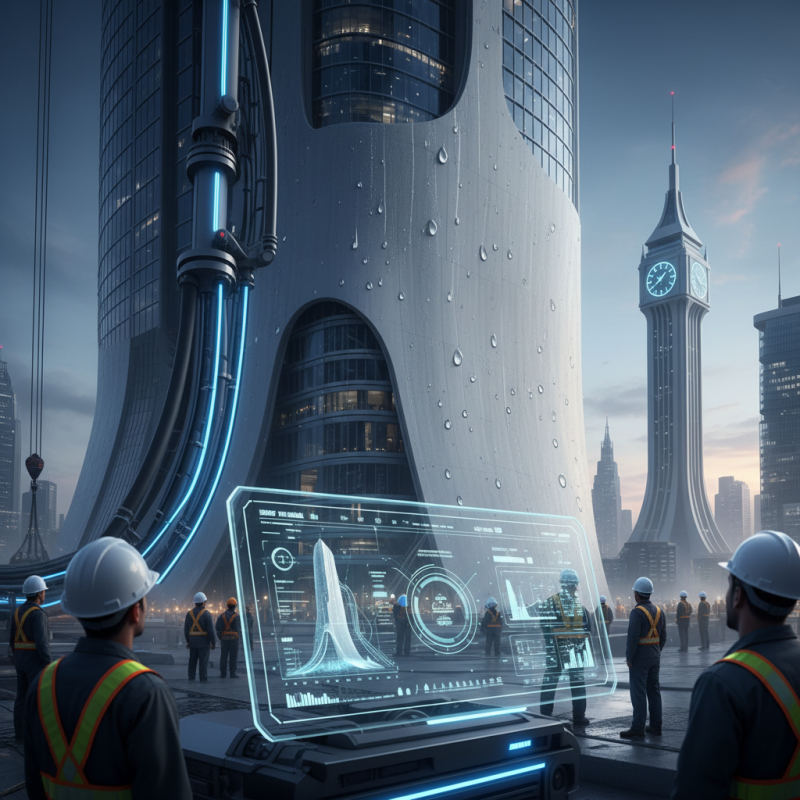
In recent years, polymer modified concrete has gained significant attention. This innovative material combines traditional concrete with polymers to enhance performance. As we look to 2026, its impact on construction is undeniable.
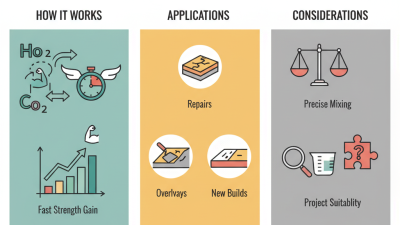
Polymer modified concrete offers improved durability, flexibility, and resistance to environmental challenges. It is especially effective in harsh conditions. For example, it resists cracking and can withstand freeze-thaw cycles better than conventional concrete. However, there are considerations to keep in mind. The initial costs may be higher.
The construction industry must weigh the benefits against these costs. Future advancements may address these concerns. Therefore, as we explore the trends of polymer modified concrete, understanding its potential and limitations is crucial. The ongoing evolution in materials science will shape how this concrete is utilized in future projects.
Definition and Composition of Polymer Modified Concrete
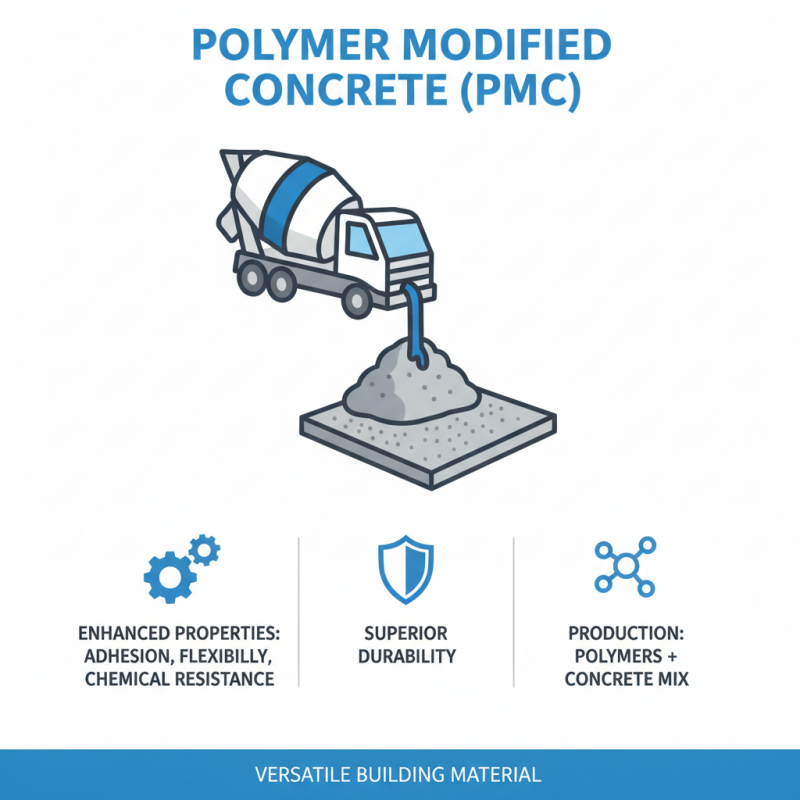
Polymer Modified Concrete (PMC) is a versatile building material. It is produced by adding polymers to concrete. This enhances the properties of the concrete mix. The polymers help improve adhesion, flexibility, and resistance to chemicals. As a result, PMC becomes more durable than conventional concrete.
The composition of PMC typically includes cement, aggregates, water, and polymer additives. These additives can be latex, resins, or emulsions. Each type of polymer can affect the performance of the concrete differently. For example, latex-modified concrete might offer better bonding. This feature can be crucial in repair projects. Additionally, the mix design can be challenging. Getting the right balance of ingredients requires practice.
Despite its advantages, there are some concerns. The cost of polymer modified concrete is usually higher than regular concrete. It can be tricky to work with in some conditions. The curing process might differ, which requires careful monitoring. If not done right, these can lead to weaker structures. Understanding these factors is essential for successful applications.
Key Benefits and Applications of Polymer Modified Concrete
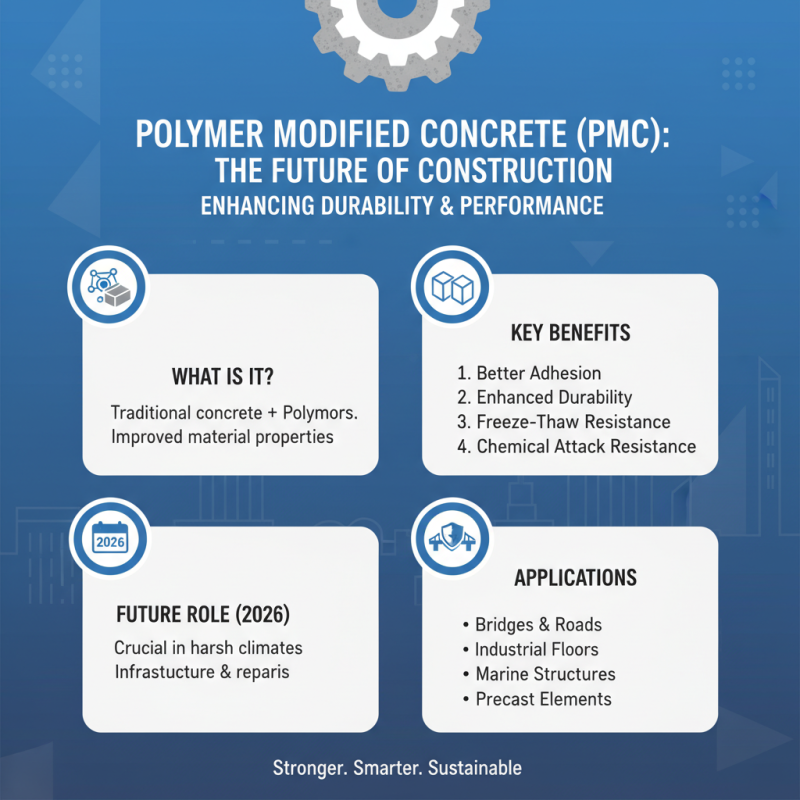
Polymer modified concrete (PMC) is gaining momentum in various construction applications. This innovative material enhances the performance of traditional concrete. By incorporating polymers, it offers better adhesion and improved durability. In 2026, PMC is expected to play a crucial role, especially in regions facing harsh weather conditions. It withstands freeze-thaw cycles and resists chemical attacks effectively.
One of the key benefits of PMC is its flexibility. This allows it to adapt to the structural movements and temperature variations. It can be used in thin overlays, paving, and precast elements. Many are still hesitant about adopting this technology due to costs and a lack of understanding. However, its long-term benefits can lead to significant savings in maintenance and repairs. The initial investment may seem substantial, yet the durability achieved often justifies it.
In addition, PMC offers seamless integration with fiber reinforcement. This combination improves tensile strength, making it suitable for high-traffic areas. It is important to note that the application process requires skill and precision. Improper mixing can lead to subpar results. Contractors must ensure proper techniques, or the benefits may not be fully realized. Exploring new trends in PMC can lead to innovative solutions in modern construction.
Advancements in Polymer Technology for Construction Materials
Polymer modified concrete (PMC) is gaining attention in 2026. Its evolution stems from advancements in polymer technology. These materials enhance durability and flexibility. They resist cracking and improve overall strength. This transformation is significant for construction, especially in harsh environments.
New formulations enable faster curing times. This leads to shorter project durations. Despite its benefits, some challenges remain. The initial cost can be higher than traditional concrete. Additionally, not all polymers are suitable for every application. Understanding their properties is crucial. Some polymers may degrade under specific conditions, impacting longevity.
Research continues to uncover better polymer options. Innovations include bio-based polymers, which are eco-friendly. This shift raises questions about performance versus sustainability. While PMC shows promise, ongoing assessments are essential. It’s vital to address all limitations before widespread adoption. Industry professionals must remain vigilant as they explore these new materials.
Environmental Impact and Sustainability of Polymer Modified Concrete
Polymer Modified Concrete (PMC) is gaining attention in 2026. Its enhanced durability and resistance to harsh environments make it appealing. However, we must consider its environmental impact. The production of polymers can release harmful chemicals. These toxins can affect both air and water quality.
While PMC offers greater longevity, it is essential to balance performance and sustainability. Some polymers are derived from non-renewable resources. This raises questions about sustainability in the long run. Recycling options for polymer-modified concrete are still limited. More research is needed to find eco-friendly alternatives to traditional materials.
Using PMC can lead to energy savings. Its extended lifespan reduces the need for repairs. Yet, the initial cost can deter widespread use. It's a mixed bag of benefits and challenges. The construction industry must reflect on these aspects as it embraces PMC. This awareness can lead to better practices in using polymer modified concrete.
Future Trends and Innovations in Polymer Modified Concrete Industry
In 2026, the polymer modified concrete (PMC) industry is expected to undergo significant changes. A recent study found that the global PMC market is projected to reach $35 billion by 2026, driven by increasing demand for durable construction materials. This remarkable growth highlights an industry shift toward sustainability and innovation. As more projects prioritize eco-friendly solutions, PMC provides enhanced performance. It offers higher resistance to water, chemicals, and shrinkage, making it suitable for a variety of applications.
Future trends show a rise in the use of bio-based polymers. According to industry reports, these materials not only reduce carbon footprints but also promote recycling. The integration of nanotechnology into PMC is another promising innovation. Researchers are exploring how nanoparticles can optimize strength and functionality.
However, challenges remain. The long-term performance of these advanced materials needs thorough evaluation. Not all applications show immediate benefits, which raises questions about their viability.
As the industry evolves, professionals must navigate these advancements carefully. While new technologies promise progress, reliability remains a concern. As stakeholders emphasize innovation, understanding the balance between performance and practicality becomes crucial. Decision-makers must seek effective solutions without compromising material integrity and safety.