Mon - Fri 8:00AM - 5:00PM Central
1150 SE Hamblen Rd, Lee's Summit, MO 64081
Buying a lithium battery pack involves more than comparing price, voltage, and advertised capacity. The right choice must match your device, charging system, operating environment, and daily energy demands. A pack for an electric bicycle differs greatly from one used in a solar storage system or industrial tool.
Dr. Shirley Meng, a respected battery scientist, has described the battery as “the heart of the electric vehicle.” Her point applies broadly: reliable performance depends on the cells, battery management system, thermal control, and physical protection working together. Look closely at nominal voltage, amp-hour rating, continuous discharge current, connector design, enclosure strength, and charging limits. Do not guess.
Small details matter. A label showing 20 Ah does not explain how the pack performs under heavy loads or cold temperatures. Ask about cell manufacturers, tested cycle life, balancing functions, safety certifications, warranty coverage, and replacement support. Examine the seller’s technical documents, not only polished product photographs. A lower price may seem attractive, yet weak cells or poor wiring can create expensive problems later.
This guide presents ten practical tips for evaluating a lithium battery pack before purchase. It encourages careful questions and realistic expectations. Specifications can be incomplete, and marketing language can sound impressive. That is worth remembering. Measure twice. Compare operating conditions, not just numbers. No checklist removes every risk, but a disciplined review can reduce avoidable mistakes and lead to a safer, more dependable purchase.
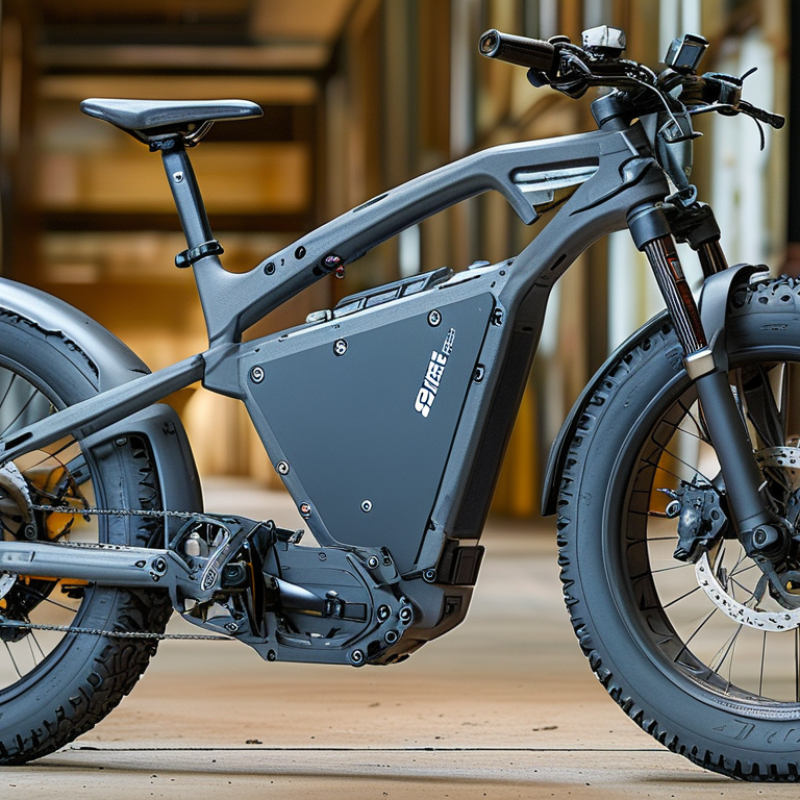
10 Tips for Buying a Lithium Battery Pack
Identify Your Device’s Voltage, Capacity, and Power Requirements
Before buying, read the device label or service manual carefully. Voltage must match the device’s required input. A higher voltage can damage sensitive circuits. A lower voltage may cause weak performance or sudden shutdowns. Check nominal voltage, not only the maximum charging voltage.
Capacity is usually measured in ampere-hours (Ah) or watt-hours (Wh). Use this simple estimate: Wh = V × Ah. For example, a 12-volt, 10-Ah pack stores about 120 Wh before losses. Real output is lower because temperature, age, and load affect performance. The International Energy Agency reported that global lithium-ion battery prices fell by 14% in 2023. Lower prices do not remove the need for accurate sizing.
Tip: Measure the load.
Find both continuous and peak power. A motor may briefly demand twice its running wattage. Choose a pack and protection system that can handle that surge. The battery’s discharge rating should exceed the device’s highest expected current. Also confirm connector polarity, charging voltage, physical dimensions, and operating temperature. Industry safety standards, including IEC 62133-2, emphasize controlled testing for portable lithium batteries. Still, specifications can be incomplete. I have seen listings that state capacity without explaining test conditions. Ask for a datasheet, test method, and cycle-life definition. That small check prevents expensive mistakes.
Tip 1: Match the chemistry to the job. Lithium iron phosphate cells offer strong cycle life and stable thermal behavior. They suit storage systems, mobility equipment, and frequent daily use. Nickel-rich lithium-ion cells usually provide higher energy density. They can reduce pack size, but require careful temperature and charging control. Lithium titanate cells charge quickly and tolerate many cycles, though their lower energy density may disappoint.
Tip 2: Check the real operating conditions. A battery rated for 100 Ah may deliver less usable capacity in cold weather or high-current applications. I once focused too heavily on capacity and overlooked continuous discharge limits. That was a useful mistake. Ask for test conditions, not only headline specifications. Confirm the battery management system supports overcharge, over-discharge, temperature, and cell balancing protection.
Tip 3: Understand cell configuration before comparing prices. Cells connected in series increase voltage, while parallel cells increase capacity and current capability. A 16-series, 4-parallel arrangement uses sixty-four cells and needs consistent matching. Small voltage differences can grow during repeated cycling. Check cell grade, internal resistance, busbar quality, insulation, and balancing performance. Also verify the charger matches the chemistry and series voltage. Physical layout matters too. Tight spacing can restrict cooling and complicate maintenance. A reliable supplier should provide test records, safety data, configuration details, and traceable production information.
10 Tips for Buying a Lithium Battery Pack
Evaluate Battery Safety Features, Certifications, and Build Quality
A safe lithium battery pack begins with clear, traceable information. Check the label for voltage, capacity, chemistry, manufacturing date, and contact details. Confirm that the stated capacity matches the product documentation. Inflated numbers are a warning sign. Look for protection against overcharging, deep discharge, overheating, short circuits, and excessive current. A battery management system should monitor individual cells, not only the overall pack voltage.
Certification marks can support trust, but they are not proof by themselves. Ask for current test reports from an accredited laboratory. Verify that the documents match the exact model and cell configuration. Relevant transport and electrical safety requirements may vary by country and application. Never rely on a copied certificate or a logo printed without reference numbers. Check the label.
Build quality is easier to judge through details. The enclosure should resist crushing, heat, and moisture when the application requires it. Terminals need firm insulation and should not move when lightly tested. Look for clean welds, secure wiring, strain relief, and evenly fitted seals. A slight chemical smell, swelling, loose casing, or unusual warmth deserves immediate caution. In practical inspections, appearance can mislead; a polished shell may hide weak internal connections. I have learned that documentation deserves the same scrutiny as hardware. Ask about cell matching, quality inspections, storage conditions, warranty terms, and safe disposal guidance. If the seller avoids specific answers, reconsider the purchase.
This chart compares typical single-cell voltage ranges for common lithium-ion chemistries. Confirm that the battery management system, charger, enclosure, wiring, and protection limits match the selected chemistry. When buying a pack, also check for appropriate documentation such as UN 38.3 transport testing, IEC 62133-2 for portable applications, or IEC 62619 for industrial use. Inspect welds, insulation, connectors, strain relief, thermal protection, overcharge protection, over-discharge protection, short-circuit protection, and cell balancing before purchase.
Buying a lithium battery pack starts with the work it must perform, not its advertised capacity. Compare runtime under realistic loads, including motors, lights, or tools used together. A pack rated for eight hours may deliver less in cold weather or near the end of its charge. Ask how capacity was tested. Tip: Estimate daily energy use, then keep about 20% reserve for unexpected demand.
Charging speed can change your entire routine. Check the charger’s output and the battery’s accepted charging rate. A fast charger may reduce downtime, but it can also increase heat when ventilation is poor. Thermal monitoring and automatic protection matter. Lifespan deserves equal attention. Compare cycle ratings, usable capacity after repeated charging, and storage guidance. These figures can be optimistic. Real conditions are rarely perfect.
Total cost includes the charger, cables, delivery, maintenance, and eventual replacement. Calculate cost per usable cycle, not only the purchase price. A cheaper pack may lose capacity sooner. A costly pack is not automatically better, either. Tip: Request test data, safety documentation, warranty terms, and clear storage instructions before paying. I would also check service availability, because a battery sitting unused during repairs has a hidden cost. Leave room for doubt.
| Buying Tip | What to Compare | Typical Reference Data | Why It Matters |
|---|---|---|---|
| 1. Check usable energy | Watt-hours (Wh), not only amp-hours (Ah) | Usable energy is commonly 80–95% of the stated capacity after reserve limits and conversion losses. | Wh allows fair comparisons between packs with different voltages. Estimated runtime = usable Wh ÷ device watts. |
| 2. Estimate real runtime | Continuous load, peak load, and efficiency | A 100 Wh pack powering a 50 W device typically provides about 1.6–1.9 hours, depending on inverter and temperature losses. | Advertised runtime may assume a low load. Use the device’s actual average power draw for a more reliable estimate. |
| 3. Compare charging speed | Charger wattage, maximum input current, and charge curve | Many packs charge in approximately 2–6 hours; fast-charge systems may reach about 80% in 1–3 hours when compatible. | The final part of charging is usually slower, so total charging time is longer than the simple capacity ÷ charger-wattage calculation. |
| 4. Evaluate cycle life | Cycles until the battery reaches approximately 80% of original capacity | Typical ranges are about 500–1,000 cycles for many NMC packs and about 2,000–5,000 cycles for many LFP packs under controlled conditions. | Higher cycle life can reduce replacement frequency and improve long-term value. |
| 5. Select the right chemistry | Energy density, thermal stability, weight, and expected service life | LFP generally offers longer cycle life and strong thermal stability; NMC generally offers higher energy density and lower weight for the same energy. | The best chemistry depends on whether portability, daily cycling, storage life, or safety margin is the priority. |
| 6. Verify power capability | Continuous output, peak output, and starting-current support | A pack rated at 1,000 W continuous output may provide a temporary surge of roughly 1,500–2,000 W, but ratings vary by design. | Motors, pumps, compressors, and power tools can require several times their running wattage during startup. |
| 7. Review operating temperature | Charge and discharge temperature limits | Many lithium packs discharge around 0–45°C and charge around 0–45°C; some include low-temperature charge protection. | Charging lithium cells below freezing can cause permanent damage unless the pack has suitable heating or protection. |
| 8. Inspect battery protection | Battery management system, overcharge protection, over-discharge protection, and thermal monitoring | A quality battery management system monitors cell voltage, temperature, current, and balancing status. | Protection electronics help reduce risks from short circuits, overheating, excessive current, and cell imbalance. |
| 9. Calculate weight and portability | Energy-to-weight ratio, dimensions, handles, and mounting options | Portable lithium packs commonly provide about 100–200 Wh per kilogram at the cell level; complete packs are lower after casing and electronics. | A lighter pack may be preferable for travel, while a heavier pack may offer greater capacity, cooling, or mechanical protection. |
| 10. Compare total cost of ownership | Purchase price, usable energy, cycle life, efficiency, and replacement cost | A practical formula is: total cost per usable kWh = purchase price ÷ (usable kWh × expected full cycles). Add charger, accessories, and eventual replacement costs. | A higher-priced pack may be more economical if it delivers more usable energy, lasts longer, or charges more efficiently. |
Note: Values are representative industry ranges. Actual runtime, charging time, cycle life, and operating limits depend on pack design, load profile, temperature, charging method, and maintenance.
10 Tips for Buying a Lithium Battery Pack
A lithium battery pack should match your device, not merely fit inside it. Check nominal voltage, operating voltage, capacity, peak current, and connector polarity. Confirm the pack’s dimensions and mounting points with a ruler. Measure twice. Review the battery management system’s protections, including overcharge, over-discharge, short-circuit, and temperature control. Ask for evidence, such as a technical datasheet and applicable safety test documentation. Do not rely on product photos or vague capacity claims.
Warranty coverage deserves careful reading. Check its length, replacement process, required proof, and exclusions for swelling, water exposure, incorrect charging, or unauthorized modification. A longer warranty is not always better. Clear terms matter more. Contact the seller with your exact device model and usage conditions before ordering. I have seen compatibility errors caused by a connector that looked identical but used different wiring. That small detail can damage equipment.
Handling requirements should be practical and specific. Confirm the correct charger, charging temperature range, storage temperature, and recommended storage charge level. Keep the pack dry, protected from crushing, and away from direct heat. Stop using it if it becomes swollen, unusually hot, damaged, or smells strange. Never open or repair a damaged pack without qualified support. Transport and disposal rules may vary locally, so check official guidance. I would also record the purchase date and inspection notes. It feels excessive, but it helps when warranty questions arise.
