Mon - Fri 8:00AM - 5:00PM Central
1150 SE Hamblen Rd, Lee's Summit, MO 64081
Buying decorative metal photo frames can feel simple until the details matter. A frame may look elegant online, yet appear too cold beside a family portrait. Its finish can clash with warm wood, bright walls, or soft fabric furniture. Small choices create large visual changes.
Professional picture framer Maya Chen offers a useful reminder: “A beautiful frame must still let the photograph breathe.” Her point is practical. Buyers should examine the metal finish, frame depth, glass quality, backing, and hanging hardware. A brushed brass frame creates warmth. Blackened steel feels sharper and more modern. Silver tones suit cooler rooms, but they may overwhelm delicate photographs.
Measure twice.
The photograph’s size is only one concern. Leave enough border space if a mat will be added. Check whether the frame uses protective glazing, especially for images placed near windows. Direct sunlight can fade meaningful memories. Thin metal profiles save space, but they may feel visually weak around large prints. Heavy frames offer presence, although poor hardware can damage a wall or cause uneven hanging.
These ten tips for buying decorative metal photo frames focus on details that shoppers often overlook. They also recognize an uncomfortable truth: the most expensive frame is not always the best choice. Style, protection, proportion, and placement must work together. Sometimes, a slightly imperfect finish feels more personal than a flawless showroom surface.
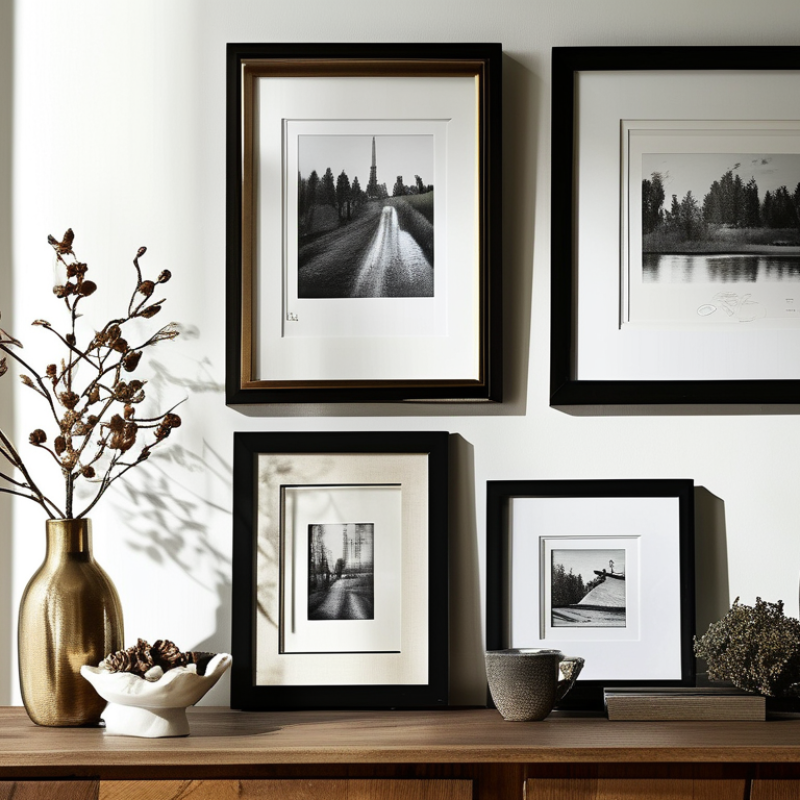
Before buying decorative metal photo frames, define what your display should accomplish. A family gallery needs different proportions from a single statement portrait. Measure the wall, shelf, and nearby furniture carefully. Leave enough breathing room around each frame.
I once chose frames by appearance alone. The result looked crowded beside a narrow bookcase. That mistake taught me to sketch the arrangement first. Mark each frame’s outer dimensions on paper or removable tape. Check walking paths, door swings, and natural light. Glare can hide facial details during the brightest afternoon hours.
Think about the photograph’s size, orientation, and visual weight. A small print may disappear inside a wide metal border. A large image may need stronger hanging support. Inspect the frame’s backing, corners, finish, and hanging hardware before purchasing. Powder-coated or sealed surfaces usually suit busy rooms, but damp areas require extra caution. Measure twice.
For mixed displays, keep one detail consistent, such as color, spacing, or frame shape. Do not force perfect symmetry if the furniture already feels informal. Odd spacing can work, though it often looks accidental without a clear anchor. Place the most important photograph near eye level. Test the layout for a day before drilling, because walls can make attractive ideas look surprisingly different.
10 Tips for Buying Decorative Metal Photo Frames
Choose the material before admiring the details. Aluminum feels light, resists rust, and suits gallery walls. The International Aluminium Institute reports that recycled aluminum uses about 5% of the energy required for primary aluminum. Steel feels heavier and more substantial, but check for a protective coating in humid rooms. The United Nations Environment Programme’s Global Resources Outlook 2024 states that global resource extraction has tripled since 1970. Durable choices matter. Still, recycled content alone does not prove quality; inspect joints, backing, and metal thickness.
Match the finish with the photograph and nearby surfaces. Brushed metal hides fingerprints better than polished chrome. Matte black creates contrast around pale walls, while aged brass adds warmth to sepia portraits. Test the frame beside the actual image, not under showroom lighting. I once chose a glossy finish that reflected every window. It looked impressive online. It became distracting at home. Small flaws can reveal useful lessons.
Use decorative style carefully. Thin geometric borders suit modern interiors, while hammered textures support rustic or handmade settings. Avoid mixing too many metallic tones across one display. A consistent edge profile usually looks more intentional. Check whether the glass reduces glare and whether the stand feels stable. Reports often measure sustainability, not emotional fit. Your hand, wall, and photograph still provide evidence.
| Tip | Buying Dimension | What to Compare | Practical Recommendation | Quality Check |
|---|---|---|---|---|
| 1 | Frame Material | Material Common options include aluminum, steel, and brass. Aluminum is lightweight and naturally forms a protective oxide layer; steel is rigid and generally heavier; brass provides a warm, traditional appearance. | Choose aluminum for large wall displays that need lower weight, steel for a solid architectural look, and brass for classic or vintage-inspired interiors. | Confirm the stated material, overall weight, and whether the frame feels rigid without excessive flexing. |
| 2 | Corrosion Protection | Durability Metal can discolor or corrode when exposed to moisture, salts, or unsuitable cleaning products. Protective coatings can reduce direct exposure to air and humidity. | For kitchens, bathrooms, coastal homes, or humid rooms, select a frame with a clearly described protective coating and keep it away from direct water contact. | Look for an even surface with no bubbles, pinholes, flaking, rust marks, or exposed unfinished edges. |
| 3 | Surface Finish | Finish Polished finishes reflect more light, brushed finishes show fine directional texture, matte finishes reduce glare, and hammered finishes create visible surface variation. | Use matte or brushed finishes for bright rooms and photographs behind glass. Choose polished metal when a reflective accent is intentionally desired. | Inspect the finish under angled light to identify uneven polishing, scratches, streaks, or inconsistent texture. |
| 4 | Color and Tone | Appearance Silver and chrome-like tones feel cool and contemporary; gold and brass tones add warmth; black and bronze tones provide stronger contrast. | Match the frame tone with nearby lighting, furniture hardware, or décor rather than trying to match every metal surface in the room exactly. | Compare a physical sample or product image in similar lighting, since screens can alter metallic colors. |
| 5 | Decorative Style | Design Geometric lines suit modern spaces, ornate reliefs suit traditional rooms, hammered surfaces suit rustic interiors, and simple profiles suit minimalist décor. | Select one dominant visual language for a gallery wall, then vary size or orientation to create interest without making the arrangement look disorganized. | Review the frame from both close and normal viewing distances to ensure the ornament does not overpower the photograph. |
| 6 | Photo and Opening Size | Fit Frame dimensions may refer to the photo size, the visible opening, or the outside dimensions. A mat reduces the visible image area while adding visual separation. | Measure the photograph and verify the listed opening size before buying. For standard prints, choose a frame designed for that exact print size or use a properly sized mat. | Confirm the visible opening, rabbet depth, and whether the frame includes a mat, backing board, and glazing. |
| 7 | Glazing and Reflection | Clarity Standard glass offers clear viewing but can reflect room lighting. Acrylic is lighter and more impact-resistant, but it can scratch more easily and may attract dust. | Choose glass for a stable indoor display and acrylic for lightweight, high-traffic, or child-accessible areas. Consider low-reflection glazing when lighting causes glare. | Check that the glazing is clean, flat, securely seated, and free from visible waves, cracks, or scratches. |
| 8 | Back Support and Hardware | Installation A frame may include an easel back, wall hooks, D-rings, or hanging wire. The support should correspond to the frame orientation and total weight. | Use an easel stand for tables and properly rated wall hardware for hanging. Larger or heavier metal frames benefit from two attachment points to reduce tilting. | Test that the backing closes firmly and that hinges, hooks, stands, and fasteners do not wobble or loosen. |
| 9 | Edge and Craftsmanship | Finish Quality Decorative metal should have clean joins, smooth corners, and consistent detailing. Sharp edges may damage surfaces or create a handling hazard. | Prefer frames with folded, rounded, or neatly finished edges, especially when the frame will be moved often or displayed within reach of children. | Run a cloth lightly over accessible edges and inspect corners for burrs, gaps, dents, or misaligned decorative elements. |
| 10 | Cleaning and Maintenance | Care Abrasive pads, harsh solvents, and excessive moisture can damage coatings and create scratches. Dust and fingerprints are usually best removed with a soft cloth. | Use a dry microfiber cloth for routine dusting. If needed, apply a small amount of mild cleaner to the cloth rather than spraying directly onto the metal or glazing. | Read the care instructions and confirm that the finish can be cleaned without polishing away its intended texture or color. |
10 Tips for Buying Decorative Metal Photo Frames
Select the Correct Size, Shape, and Photo Orientation
A frame should serve the photograph, not compete with it. Measure both the image and available wall space before shopping. Leave a small visual margin around the picture. For a 4-by-6-inch photo, a slightly larger frame often feels balanced. Yet a wide border can make a small image look lost. I learned this after placing one above a narrow shelf.
Check the opening size, not only the outer dimensions. Some frames cover part of the printed image. Hold a paper template against the wall to test scale. It takes two minutes. Choose square frames for symmetrical portraits or compact snapshots. Use rectangular frames for landscapes, family groups, and travel scenes. A circular frame can soften a rigid gallery arrangement, although it may crop corners.
Match the frame orientation to the photo before judging its style. Portrait images need vertical support, while landscapes usually suit horizontal placement. Rotating a frame may seem harmless, but its hanger and inner mount might not cooperate. For mixed displays, repeat one shape or metal finish to create rhythm. Consider how light reflects from polished surfaces near windows. Matte metal is often easier to read. I sometimes prefer the “wrong” size after living with it for a week, so mock up several options first. Recheck the backing, glazing, and hanging hardware for secure everyday use.
When buying a decorative metal photo frame, inspect the glass under a bright lamp. It should look flat, clean, and free from rainbow-like distortion. The Library of Congress recommends glazing that blocks at least 97% of ultraviolet radiation. This matters for photographs displayed near windows. Clear glass is not always protective. Ask whether the panel is UV-filtering, not merely transparent.
Check the backing for warping, loose fibers, and a sharp chemical smell. The Northeast Document Conservation Center advises acid-free, lignin-free materials for long-term photograph storage. A rigid backing also keeps the print flat during seasonal humidity changes. I prefer metal turn-buttons or firm clips. They should open smoothly, but hold tightly. Cheap clips can leave pressure marks. I still make this mistake sometimes.
Mounting hardware needs practical testing. The hook should sit firmly, and the supplied fastener must suit the wall surface. Use two mounting points for wider frames. That reduces twisting and side-to-side movement. The Image Permanence Institute explains that light damage accumulates over time and does not reverse in darkness. Position the frame away from direct sun, heaters, and damp corners. Finally, press each corner gently. Any rocking suggests a weak joint, uneven backing, or poor weight distribution.
Buying a decorative metal photo frame involves more than comparing the ticket price. I check the frame’s dimensions, metal thickness, finish, glass type, backing, and hanging hardware. A low-priced frame may use thin metal that bends near the corners. Shipping can also change the real cost. Two frames with similar designs may differ greatly in weight and construction.
Care needs affect long-term value. Powder-coated surfaces usually resist marks, while delicate plated finishes may show fingerprints quickly. I use a soft, dry microfiber cloth and avoid abrasive cleaners. In humid rooms, moisture can encourage tarnish around joints or exposed edges. A removable glass panel is useful because it makes cleaning and photo replacement easier. Small details matter.
I once chose a cheaper frame for a hallway project, but its backing loosened after repeated photo changes. That was a preventable mistake. Now I inspect hinges, tabs, corners, and wall fittings before buying. A more expensive frame can be worthwhile when it holds the photo securely and needs little maintenance. Still, high price does not guarantee quality. Some decorative details look impressive but add no practical strength. Compare the warranty terms, replacement parts, and care instructions when available. Keep the frame’s intended location in mind. A bedroom frame may need less protection than one near a kitchen sink. Value is personal, and my choice is not always the most attractive one.
Compare typical prices, care needs, and overall value across common frame materials.
This comparison uses typical retail prices for an 8 × 10 inch decorative frame in USD, estimated annual care actions, and an overall value score from 1 to 10. Aluminum and steel offer strong durability with limited maintenance, while brass generally needs more frequent polishing. The value score considers price, durability, appearance, and care requirements.
