CONTACT PHONE 816-380-4747
OPEN HOURS

Mon - Fri 8:00AM - 5:00PM Central

ADDRESS

1150 SE Hamblen Rd, Lee's Summit, MO 64081

China Top 10 Industrial Vacuum Packaging Machine Suppliers

Choosing the right Industrial Vacuum Packaging Machine affects product protection, production speed, labor efficiency, and long-term operating costs. This guide examines China’s top ten suppliers through practical criteria, including sealing stability, vacuum performance, machine materials, automation, maintenance support, and customization capacity. A shiny stainless-steel cabinet means little if the pump overheats during a long production shift.

Food packaging expert Dr. Gordon L. Robertson has emphasized, “The primary purpose of food packaging is to protect the food from the environment.” That principle remains central today. A reliable machine should remove air consistently, create even seals, and limit exposure to moisture, oxygen, and contamination. It should also support clear operating procedures, safe cleaning, and traceable quality checks. Small details matter. A weak heating element can ruin an entire batch.

The suppliers discussed here serve different production realities. Some focus on compact tabletop equipment for small processors. Others build automatic lines for meat, seafood, dairy, prepared meals, and industrial components. Their strengths may differ in pump brands, chamber size, control systems, delivery capability, and after-sales service. No supplier is perfect. Public information can be incomplete, and advertised capacity may not match every factory condition. Buyers should request test samples, sealing-cycle data, warranty terms, spare-parts availability, and installation support before deciding. This review offers a practical starting point, not an unquestionable verdict. A machine that performs well in a demonstration may still require adjustments on a humid, demanding production floor.

China Top 10 Industrial Vacuum Packaging Machine Suppliers

What Industrial Vacuum Packaging Machines Are and How They Work

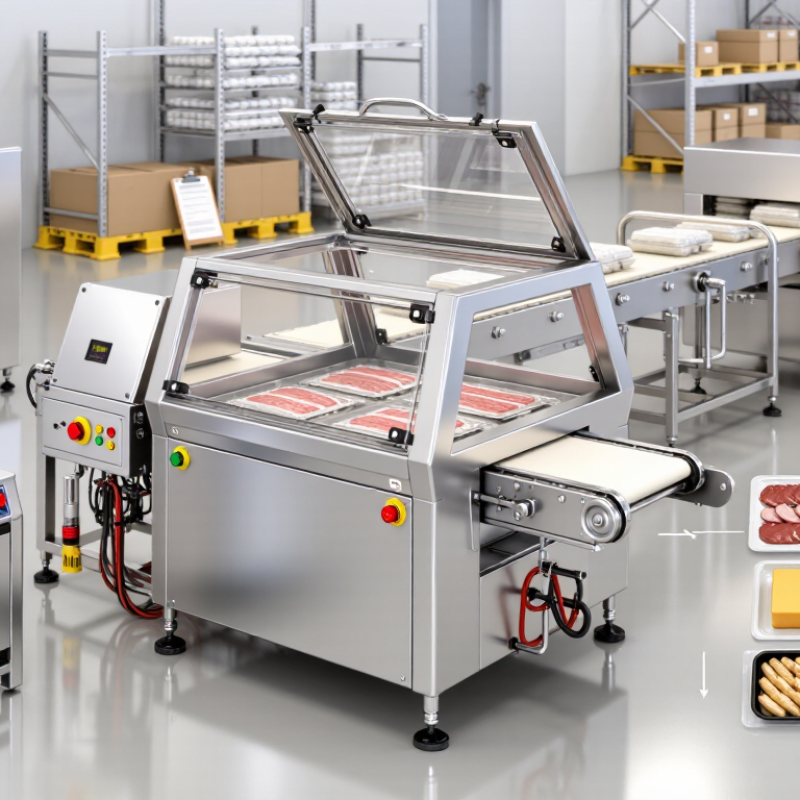
Industrial vacuum packaging machines remove air from a package before sealing it tightly. They are built for continuous production, where stable results matter more than manual speed. In a typical cycle, an operator places the product inside a pouch and positions it within the chamber. The lid closes, and a vacuum pump extracts most of the internal air. A heated sealing bar then presses and closes the pouch opening. Finally, the chamber returns to normal pressure, tightening the film around the product.

The machine depends on several controlled settings. Vacuum pressure affects oxygen reduction and package shape. Sealing temperature and dwell time determine whether the closure remains secure. Sensors monitor pressure, temperature, and cycle timing. Moist products need careful control because liquids may boil under strong vacuum. Film thickness also changes the required sealing settings. Technicians should test sample packages before full production. A high vacuum is not always the best choice. It can crush delicate items or pull liquid into the seal area. Small adjustments often produce better results than maximum settings.

Tips: Inspect the seal for wrinkles, weak spots, or trapped material. Clean the sealing bar regularly. Check the pump oil and replace worn gaskets. Record successful settings for each product. Do not trust appearance alone; perform leak tests at planned intervals. Minor seal failures can remain hidden until transport, so routine inspection is essential.

How Industrial Vacuum Packaging Machines Work

Industrial vacuum packaging machines remove air from a sealed chamber, create a low-pressure environment around the product, heat-seal the package, and then restore atmospheric pressure. The chart shows a typical operating cycle using absolute pressure in kilopascals (kPa).

Reference: Standard atmospheric pressure is approximately 101.3 kPa at sea level. Industrial vacuum packaging commonly reduces chamber pressure to a few kilopascals before sealing; the exact setting depends on the product, package material, and machine design.

Key Criteria for Ranking China’s Top Ten Suppliers

A credible ranking of China’s top industrial vacuum packaging machine suppliers should begin with engineering evidence, not advertising claims. Review pump capacity, vacuum stability, sealing temperature control, chamber construction, and cycle consistency. Machines should perform reliably during repeated production runs, not only during showroom demonstrations. Practical tests matter.

Supplier experience also deserves close inspection. Examine factory records, export history, technical staff, and documented installations in comparable industries. Ask for test videos, maintenance schedules, spare-parts policies, and clear performance data. A supplier with strong process knowledge can recommend suitable chamber sizes, sealing bars, and conveyor layouts. Vague answers are warning signs.

Quality control must include electrical safety, material traceability, leak testing, and final inspection records. Independent certifications can support credibility, but certificates should match the actual machine model. After-sales response is equally important. Check remote troubleshooting, technician availability, training, and replacement-part lead times. Total cost should include energy use, consumables, downtime, and maintenance.

No ranking is perfect. A supplier may offer excellent machines but weaker documentation. Another may provide fast service but limited customization. These weaknesses should remain visible. Buyers should compare verified evidence, not simply select the lowest quotation. Factory audits, sample testing, and customer references can reveal details that brochures often miss. The strongest candidates combine stable performance, transparent communication, responsible production practices, and support that remains dependable after delivery.

Profiles of China’s Leading Industrial Vacuum Packaging Machine Suppliers

China’s leading industrial vacuum packaging machine suppliers are best judged by engineering depth, not catalogue size. Fortune Business Insights reported that the global vacuum packaging machine market reached about USD 1.36 billion in 2023. It also projects continued growth through 2032. This demand is pushing Chinese manufacturers toward larger chambers, stronger sealing systems, and smarter controls.

Many top suppliers now serve food, medical, electronics, and chemical-material applications. Their profiles usually fall into three groups: custom equipment builders, standardized production-line manufacturers, and export-focused integrators. Experienced buyers should inspect pump capacity, chamber dimensions, sealing-wire durability, stainless-steel grades, and cleaning access. A useful factory visit includes a witnessed cycle test. Ask to see uneven products, not only perfect samples.

Service matters more than appearance. A machine may look excellent yet lose production time through slow spare-part support. PMMI industry research repeatedly highlights labor efficiency, uptime, and automation as major packaging investment priorities. Suppliers offering remote diagnostics, operator training, documented testing, and multilingual manuals deserve closer attention. Certification claims still require verification.

The comparison is not flawless. Public supplier data can be incomplete. Some performance figures reflect laboratory conditions, not a dusty factory floor. Request references from similar plants, maintenance records, and a written acceptance test. A confident sales presentation is useful, but repeatable evidence is better.

Product Features, Industries Served, and Manufacturing Capabilities

China Top 10 Industrial Vacuum Packaging Machine Suppliers

Product Features, Industries Served, and Manufacturing Capabilities

China’s leading industrial vacuum packaging suppliers increasingly compete through measurable performance, not appearance. Grand View Research estimates the global vacuum packaging market reached about USD 29.23 billion in 2023, with continued growth expected through 2030. This demand favors machines with dual sealing bars, stainless-steel chambers, programmable vacuum cycles, and gas-flushing options. Reliable suppliers also provide oil-sealed or dry pumps, touchscreen controls, and automatic lid systems. Seal consistency matters most when packaging meat, seafood, cheese, medical components, and electronic parts.

Industrial buyers should examine manufacturing depth carefully. A strong supplier usually operates machining, electrical assembly, welding, testing, and quality-control processes under one production system. Factory acceptance testing should record vacuum pressure, sealing temperature, cycle time, and leakage results. PMMI reports that labor efficiency, automation, and flexible packaging formats remain major equipment priorities for processors. Therefore, modular conveyors, sensor-based controls, and recipe storage can reduce changeover losses. Small details count.

Export experience also reveals practical competence. Suppliers serving food processors need hygienic designs, cleanable surfaces, and documented material specifications. Pharmaceutical and electronics customers require stricter contamination control and traceability. Certification claims should be verified through current documents, not attractive brochures. A low purchase price can hide pump maintenance, weak after-sales support, or limited spare parts. That assumption needs checking. Buyers should request sample tests using their own products, because laboratory results may not reflect real moisture, shape, or loading conditions.

China Top 10 Industrial Vacuum Packaging Machine Suppliers - Product Features, Industries Served, and Manufacturing Capabilities

Anonymized comparison of representative Chinese industrial vacuum-packaging supplier profiles based on commonly available machine configurations and manufacturing practices.

Profile Primary Machine Types Typical Chamber or Conveyor Configuration Vacuum Performance Sealing Capability Typical Throughput Suitable Products Industries Served Construction and Control Features Customization and Manufacturing Capabilities Common Compliance Options
01 Double-chamber vacuum machines; automatic belt-fed models Two chambers for alternating loading and sealing; chamber lengths commonly 600–1,000 mm Final vacuum commonly 1–5 mbar, depending on pump configuration and product conditions Dual sealing bars; sealing lengths commonly 600–1,000 mm; heated impulse sealing Approximately 2–6 cycles per minute MeatCheeseSeafoodPowders Food processing, central kitchens, meat processing, export packing 304 stainless-steel contact surfaces, PLC control, digital temperature and vacuum settings Can manufacture different chamber sizes, pump capacities, conveyor heights, and gas-flushing modules CE-oriented design; stainless-steel construction; electrical components selected according to destination market
02 Automatic thermoforming vacuum packaging lines Continuous forming, filling, vacuuming, sealing, and cutting; film widths commonly 320–600 mm Vacuum and modified-atmosphere packaging supported; residual oxygen depends on product and gas system Film-based top and bottom web sealing; pack lengths programmable through the control system Commonly 8–20 cycles per minute, depending on pack format Fresh meatReady mealsMedical goods Food factories, prepared-meal production, medical and technical packaging Servo-driven film transport, PLC-HMI interface, recipe storage, automatic film tracking Integration of conveyors, date coders, checkweighers, metal detectors, and labeling systems CE and food-contact material options; hygienic design available for regulated production areas
03 External vacuum sealers and nozzle-type machines Compact external-nozzle layout for bags and pouches; suitable for floor or tabletop installation Typical operating vacuum range of approximately 2–10 mbar, depending on pump size Single or double sealing; common sealing widths of 400–1,200 mm Approximately 3–12 bags per minute GrainsHardwareTextilesPowdered goods Agricultural products, hardware, textile packing, small and medium factories Stainless-steel or coated-steel frame, adjustable sealing temperature, foot-pedal operation Bag-mouth fixtures, multiple nozzles, larger pumps, nitrogen flushing, and custom conveyor layouts Basic industrial electrical safety options; configuration can be adapted to local voltage requirements
04 Heavy-duty belt-type vacuum packaging machines Continuous infeed and outfeed conveyor; inclined or horizontal belt configurations Designed for repeated operation with oil-sealed vacuum pumps; final vacuum often 1–5 mbar Continuous or intermittent sealing; supports long products and multiple bags per cycle Approximately 4–10 cycles per minute Large meat cutsFrozen foodIndustrial parts Large food processors, cold-chain logistics, industrial component packaging Heavy welded frame, reinforced conveyor, PLC control, automatic lid or belt movement Custom belt width, loading height, sealing bar arrangement, pump capacity, and discharge direction Hygienic stainless-steel options; safety guarding and emergency-stop systems available
05 Tray-sealing and vacuum-gas flushing machines Single or multi-lane tray tooling; interchangeable molds for different tray sizes Vacuum evacuation followed by gas flushing; gas mixture and pressure are recipe-controlled Heat sealing of lidding film to plastic, aluminum, or coated paper trays Approximately 4–15 trays per minute, depending on lanes and tooling Fresh foodReady mealsFruitBakery items Retail food, catering, convenience meals, fresh produce packaging Servo-controlled tray indexing, programmable gas dosing, film-cutting and sealing stations Custom tray molds, denesting units, label applicators, date printers, and inspection systems Food-contact tooling and hygienic production options; documentation packages available on request
06 Vacuum skin packaging machines Thermoformed or preformed trays with flexible top film conforming closely to the product High vacuum with controlled film heating; performance depends on tray geometry and product shape Full-surface skin sealing; supports attractive product presentation and extended shelf-life packaging Typically 3–10 cycles per minute Fresh meatFishCheeseRetail products Supermarket supply, meat and seafood processors, premium food packaging Temperature-controlled heating plate, programmable vacuum stages, quick-change tooling Tray dimensions, film type, mold design, gas flushing, and automated discharge can be customized Food-grade stainless-steel options; sealing-film compatibility verified during commissioning
07 Chamber vacuum machines for liquid and semi-liquid products Deep chamber or inclined chamber designs to reduce liquid migration during vacuuming Adjustable vacuum ramp and soft-air return; typical final vacuum approximately 2–10 mbar Double sealing bars with adjustable sealing time and temperature Approximately 1–5 cycles per minute SaucesSoupsMarinadesWet foods Foodservice, sauce manufacturing, liquid ingredient processing Liquid-resistant chamber design, removable sealing bars, easy-clean stainless-steel surfaces Inclined chambers, stronger pumps, liquid separators, special bag supports, and custom nozzles Hygienic construction options; electrical and pneumatic components can be specified by market
08 Vacuum packaging machines for industrial and technical products Large-format chamber or custom enclosure for irregular, sharp-edged, or bulky components Vacuum level selected according to moisture, corrosion, and product-protection requirements Wide sealing bars, reinforced sealing systems, and optional double-bag packaging Approximately 1–4 cycles per minute Metal partsElectronicsToolsComponents Automotive supply, machinery manufacturing, electronics, spare-parts logistics Reinforced chamber, abrasion-resistant surfaces, programmable vacuum and gas-flushing sequences Oversized chambers, custom fixtures, corrosion-inhibiting gas flushing, conveyors, and barcode systems Industrial electrical safety configurations; documentation can include wiring diagrams and operating manuals
09 Compact automatic vacuum packaging lines for medium-sized factories Modular layout with chamber machine, conveyor, coder, and optional inspection equipment Typical final vacuum of approximately 2–8 mbar, based on pump capacity and package material Single or double sealing; automatic bag positioning and conveyor transfer Approximately 5–15 cycles per minute SnacksCoffeeDry foodsPet food Small and medium food manufacturers, contract packers, e-commerce fulfillment Touchscreen recipes, stainless-steel work areas, modular conveyors, quick-clean components Can combine vacuum sealing with nitrogen flushing, weighing, printing, labeling, and carton packing CE-oriented controls; food-grade contact materials available for suitable applications
10 Custom-engineered vacuum packaging systems Project-specific cells or fully integrated production lines designed around product and factory layout Vacuum, gas flushing, pressure, and dwell time engineered to the product’s packaging specification Custom sealing width, multi-lane operation, continuous or intermittent sealing Project-dependent; commonly 5–30 packages per minute for automated systems FoodMedical suppliesChemicalsTechnical goods Food processing, healthcare packaging, chemical products, contract manufacturing PLC and HMI integration, servo motion control, safety interlocks, data logging, remote diagnostics Layout design, tooling, conveyors, robotic loading, vision inspection, coding, weighing, and line integration Compliance package determined by destination market, product risk, electrical system, and required validation

Note: Performance ranges are representative industry specifications rather than verified rankings of individual companies. Actual output, vacuum level, sealing quality, and compliance depend on machine configuration, packaging material, product characteristics, and factory conditions.

How to Compare Suppliers and Choose the Right Packaging Partner

Choosing among China’s top industrial vacuum packaging machine suppliers requires more than a price table. Compare suppliers against your product, not their brochures. Ask each supplier to run your actual film, product size, and moisture level. Watch the chamber close, the pump recover, and the seal cool. These details expose performance gaps. A strong supplier records vacuum pressure, sealing temperature, cycle time, and reject rate during the trial. Request dated test videos and signed data sheets. Evidence matters.

Inspect machine construction closely. Stainless steel thickness, hinge strength, pump accessibility, control-panel protection, and spare-part availability affect years of use. Ask how operators clean the chamber after oily or dusty production. Confirm electrical standards, safety guarding, installation requirements, and documentation for your destination. A capable engineering team explains limitations plainly. Be cautious when every answer sounds perfect. Real factories have maintenance intervals, noise, and occasional sensor faults.

Compare total ownership cost over three years. Include energy use, oil changes, sealing wire, training, freight, installation, and emergency support. Speak with two or three current users, preferably with similar products and shifts. I have seen buyers choose the lowest quotation, then lose weeks waiting for a pump component. That decision looked efficient on paper. It was not. A better partner provides clear response times, remote troubleshooting, a spare-parts list, and acceptance criteria before payment. Keep room for independent inspection; it may reveal an overlooked detail.