Top Flexible Shaft Brush Cutter Manufacturers
Choosing the right Flexible Shaft Brush Cutter manufacturer requires more than comparing prices or polished product photos. This guide examines leading manufacturers through practical performance, engineering quality, and dependable customer support. Each company is considered for shaft flexibility, vibration control, cutting power, fuel efficiency, and operator comfort.
A reliable manufacturer should offer durable components, clear specifications, and replacement parts that remain available after purchase. Field experience matters. Operators notice loose couplings, heated gearboxes, uncomfortable harnesses, and difficult starting systems during long workdays. Small details matter. We will also consider dealer networks, warranty terms, maintenance guidance, and documented safety practices. These factors reveal how seriously a manufacturer supports real users, not only initial sales.
Ratings alone cannot tell the whole story. Some brands perform well in gardens but struggle in dense grass or uneven terrain. That matters. The shortlist will balance professional feedback, product testing information, industry reputation, and user-focused evidence. We will identify where each manufacturer performs strongly and where limitations deserve attention. No manufacturer is perfect, and marketing claims still require careful checking. A practical comparison should acknowledge uncertainty, regional availability, and changing product lines. By combining technical knowledge with realistic operating experience, this article helps buyers assess top manufacturers with greater confidence.
What Is a Flexible Shaft Brush Cutter?
What Is a Flexible Shaft Brush Cutter?
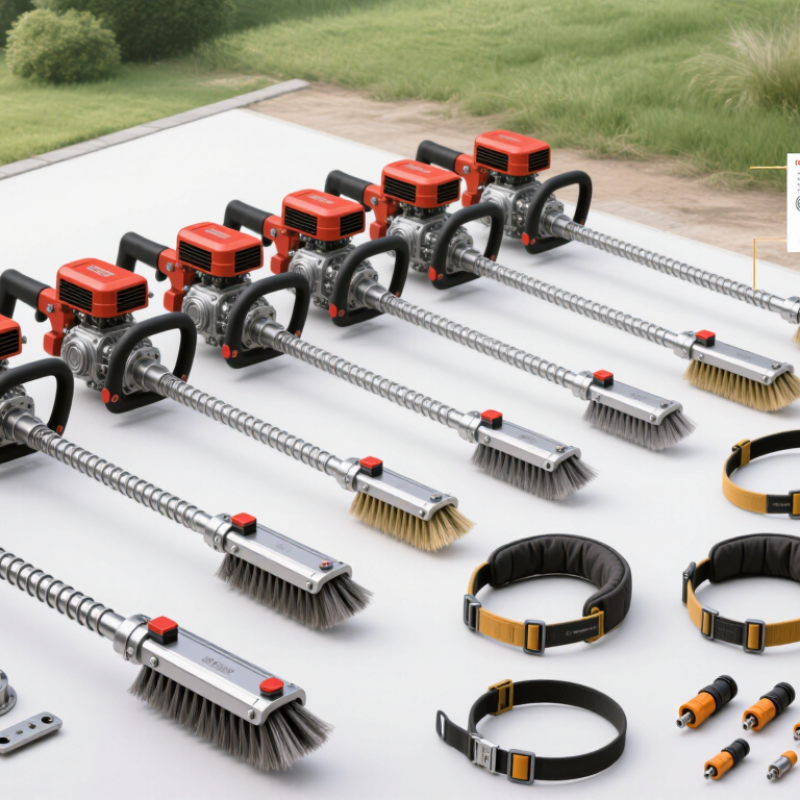
A flexible shaft brush cutter is a powered garden tool for cutting grass, weeds, and light brush. Instead of using a rigid drive tube, it uses a bendable cable to transfer power from the engine or motor to the cutting head. This construction can reduce hand fatigue during long trimming sessions. It also helps the operator work around trees, fences, garden edges, and uneven ground.
In practical use, the shaft should flex smoothly without sharp bends. A damaged or dry cable may create vibration, heat, or uneven cutting. I would not call this tool maintenance-free. After each job, remove plant debris from the guard and cutting head. Check the cable housing, handle, fasteners, and cutting line before operation. Reliable manufacturers usually provide clear specifications, service guidance, and replacement-part information. Still, users should verify these details instead of trusting attractive product claims.
Tips: Choose a shaft length that matches your height and working area. Use a shoulder harness when the tool feels front-heavy. Keep both hands on the handles. Start with soft grass before tackling thicker weeds. Stop immediately if the shaft vibrates unusually. That small warning can prevent bigger repairs. Also, test the cutter on a limited area first; real garden conditions may differ from the product description.
Key Features and Applications of Flexible Shaft Brush Cutters
Top Flexible Shaft Brush Cutter Manufacturers
Flexible shaft brush cutters transfer engine power through a bendable drive shaft. This design reduces the weight carried near the cutting head. Operators can move more easily around tree trunks, fences, and uneven ground. A balanced harness also improves control during long work periods.
Key features include vibration reduction, sealed shaft protection, adjustable handles, and quick-access maintenance points. A reliable clutch should engage smoothly without sudden movement. The cutting head must match the vegetation and working conditions. Nylon line suits grass and soft weeds, while approved metal blades handle thicker brush. Always follow the equipment manual and wear eye, hearing, hand, and leg protection.
These machines serve orchards, roadside edges, parks, drainage channels, and large gardens. Their flexible shafts are useful where rigid systems feel awkward. However, tight bends can increase friction and reduce service life. That detail is easy to overlook. Regular inspection helps identify worn cables, loose fittings, and damaged guards before operation. In practical use, comfort often matters as much as engine power. A powerful cutter becomes less effective when vibration causes early fatigue. No design is perfect. Some lightweight models may sacrifice durability, while heavier units can feel safer in dense growth. Buyers should compare shaft construction, spare-part access, warranty terms, and maintenance guidance before selecting a manufacturer.
How to Evaluate Flexible Shaft Brush Cutter Manufacturers
Evaluating flexible shaft brush cutter manufacturers requires more than comparing catalog prices. Start with field experience. Ask how long their equipment has been tested in orchards, slopes, and dense grass. Request maintenance records, not polished photographs. A reliable manufacturer should explain shaft construction, clutch protection, vibration control, and cooling performance clearly. Technical confidence matters.
Inspect samples before placing a large order. Check the flexible shaft after repeated bends, cold starts, and two-hour cutting sessions. Look for heat marks, uneven rotation, loose fittings, or a handle that strains the wrist. These details reveal manufacturing discipline. Ask for material specifications and documented quality checks. Independent laboratory reports can strengthen credibility, although paperwork alone proves little. It is easy to overtrust certificates. I have seen neat documents hide inconsistent assembly. That remains a useful warning.
Evaluate support after delivery. Confirm spare-part availability, repair instructions, response times, warranty terms, and operator training. Ask whether the manufacturer tracks recurring failures and improves production accordingly. Honest answers are valuable, especially when a supplier admits a weak component and explains the correction. Compare production capacity with your actual order schedule. A factory may produce excellent prototypes yet struggle with stable volume. Request a pilot batch and inspect every unit. Do not skip this step. Price still matters, but downtime, uncomfortable controls, and delayed parts can cost more than the original saving.
How to Evaluate Flexible Shaft Brush Cutter Manufacturers
The chart presents a practical procurement-weighting model for comparing flexible shaft brush cutter manufacturers. Product durability, shaft performance, safety, spare-parts support, quality control, and warranty service should be assessed together rather than relying on price alone.
Top Flexible Shaft Brush Cutter Manufacturers by Product Strengths
Top Flexible Shaft Brush Cutter Manufacturers
Top Flexible Shaft Brush Cutter Manufacturers by Product Strengths
Flexible shaft brush cutter manufacturers compete through practical product strengths, not attractive specifications alone. Experienced makers design around balance, vibration control, and daily maintenance. A lighter cutting head reduces arm fatigue during long trimming sessions. A reinforced flexible shaft also improves power transfer around fences, slopes, and narrow garden paths.
Engine performance remains important. Reliable manufacturers match torque output with shaft length and cutting attachment size. This prevents sluggish operation and unnecessary heat. Many professional models use sealed bearings, durable clutch components, and adjustable harness systems. These details matter after several hours of repeated work. Small improvements become noticeable.
No design is perfect. Some flexible shafts feel smooth but require more careful storage. Others deliver strong torque but create extra weight near the operator’s hip. That trade-off deserves honest testing. Buyers should inspect cold-start behavior, throttle response, cable routing, and replacement-part access. A transparent manufacturer publishes vibration data, service intervals, and realistic fuel or battery performance. Marketing figures can mislead.
Manufacturing quality also depends on inspection discipline. Consistent welds, protected fasteners, and properly lubricated transmission parts reduce early failures. Field trials should include wet grass, coarse weeds, and uneven ground. Clean results are not enough. The machine must remain controllable when debris builds around the guard. Quiet operation helps, but operator comfort still depends on harness fit and handle adjustment. Practical strength is measured in the hands, not only on a specification sheet.
