What Are the Top Sand Casting Parts Suppliers in 2026?
Choosing the right Sand Casting Parts supplier in 2026 takes more than comparing prices. Buyers must examine process control, material options, inspection practices, and delivery reliability. A low quote can look attractive. It may also conceal costly gaps.
Look for clear evidence: alloy specifications, documented testing, sample parts, and realistic lead times. Ask how the supplier handles tooling changes, dimensional tolerances, and defects such as porosity. A smooth casting surface matters, but so does a sound interior.
Casting researcher John Campbell wrote, “The quality of a casting is determined by the quality of the liquid metal.” That principle makes process discipline central to supplier evaluation. Still, one quotation cannot prove a factory’s capabilities. Request records and discuss your actual part requirements.
This guide compares leading suppliers through practical criteria, including technical support, production range, quality systems, and communication. It considers how well each supplier serves different needs, from prototypes to recurring orders. Some details may be difficult to verify from public information. Keep that in mind.
A polished website is not a quality audit. Ask specific questions, review sample documentation, and confirm responsibilities before production begins. The best fit depends on your geometry, alloy, volume, and schedule. No single supplier suits every project. This comparison offers a starting point, not a substitute for careful due diligence.
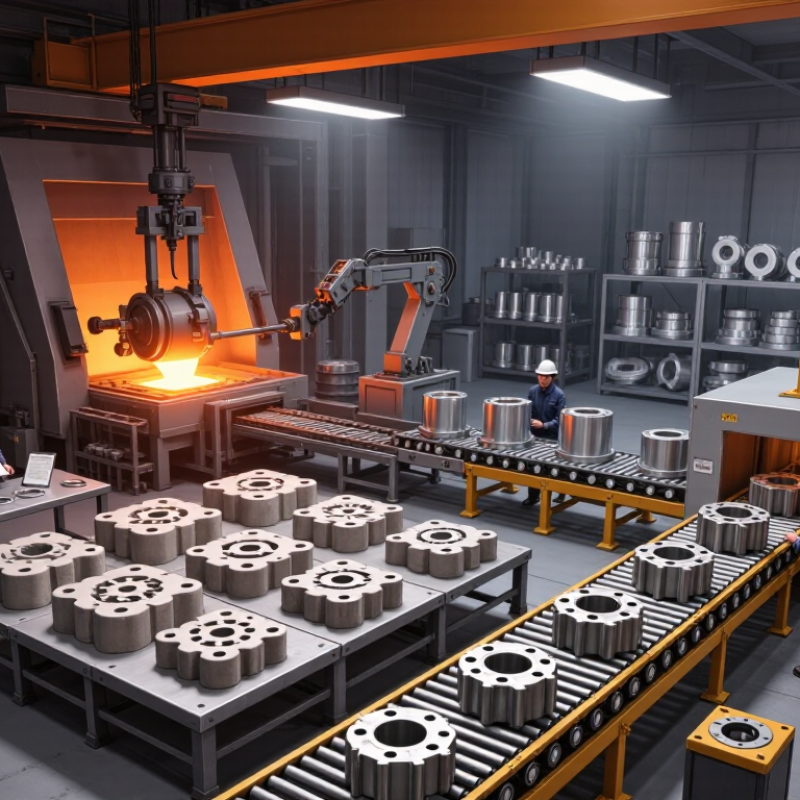
Understanding Sand Casting Parts and Supplier Roles
What Are the Top Sand Casting Parts Suppliers in 2026?
Understanding Sand Casting Parts and Supplier Roles
Sand casting parts are formed by pouring molten metal into a cavity made from compacted sand. The process suits engine housings, pump bodies, brackets, and other complex components. A capable supplier does more than fill molds. It reviews drawings, recommends suitable alloys, designs cores, and checks shrinkage risks before production. From my experience, early design discussions often prevent costly pattern changes later. Small details matter. Wall thickness and draft angles can affect both quality and price.
In 2026, strong suppliers should provide clear process control and traceable inspection records. Ask how they manage moisture, pouring temperature, porosity, dimensional variation, and surface cleaning. Reliable partners usually support prototype casting, production scaling, and corrective actions. They should also explain realistic tolerances instead of promising perfection. That honesty builds trust. I have seen projects fail because buyers compared prices without checking machining allowances or testing methods. My own judgment can be imperfect, so documented evidence matters more than confident sales language.
Tips: Request sample inspection reports and material certificates. Confirm pattern ownership, tooling maintenance, packaging, and delivery responsibilities. Compare suppliers by total cost, not quotation alone. Visit the foundry when possible, and observe mold preparation, furnace monitoring, and final inspection. A short technical call can reveal more than a polished website.
Leading Sand Casting Parts Suppliers in 2026
In 2026, leading sand casting parts suppliers combine stable production with practical engineering support. Experienced teams review drawings before patterns are made. They check wall thickness, draft angles, shrinkage allowance, and machining stock. This early review can prevent expensive rework. Details matter.
Reliable suppliers provide material certificates, inspection reports, and clear batch traceability. They should explain how molds, cores, pouring temperatures, and cooling times are controlled. During supplier evaluations, buyers can request sample parts and dimensional records. A good supplier welcomes these questions. It should also describe corrective actions when measurements fall outside tolerance.
Production experience still matters more than polished presentations. A supplier may show excellent samples yet struggle with repeat orders. Ask about equipment maintenance, operator training, inspection frequency, and delivery planning. I have found that regular communication often reveals more than a sales document. No supplier is flawless. Mistakes happen. The important point is whether the team identifies causes and improves the process. Buyers should compare casting quality, machining accuracy, surface condition, lead time, and technical responsiveness before approving a long-term source.
Comparing Supplier Capabilities, Industries, and Services
A strong sand casting supplier is not simply the one with the lowest quoted price. Compare its experience with your alloy, part size, annual volume, and required tolerances. Ask for sample inspection records, defect data, and documented process controls. Details matter. A thick pump housing and a thin-walled machine frame place different demands on mold design, feeding, and finishing.
Grand View Research valued the global metal casting market at USD 151.31 billion in 2023 and projected 5.4% annual growth from 2024 to 2030. This broad market estimate signals substantial demand, but it does not rank suppliers. Buyers should examine whether a foundry can support their industry’s actual needs, such as pressure testing for fluid-handling parts or repeatable dimensions for industrial equipment. Verify capacity with production schedules, not just impressive equipment lists.
Services can separate a capable partner from a basic casting shop. Check whether engineering support covers pattern design, simulation, machining, heat treatment, and inspection—or whether these steps go to outside vendors. Ask who owns corrective actions when a trial casting fails. The answer may reveal more than a polished presentation. One caution: supplier scorecards can look precise while relying on incomplete data, especially for delivery and scrap rates. Request definitions, time periods, and evidence before comparing figures.
How to Select a Supplier for Your Project
What Are the Top Sand Casting Parts Suppliers in 2026?
How to Select a Supplier for Your Project
Choosing a sand casting supplier starts with the part, not the sales pitch. Share the alloy, annual volume, drawing, and critical dimensions. Ask how the supplier controls mold preparation, pouring temperature, and cooling. These details affect surface quality, shrinkage, and repeatability. For a pump housing, for example, confirm that the supplier can inspect internal passages, not just the outer dimensions. A detailed quote helps, but it cannot prove production quality.
Tips: Request a sample casting and its inspection report. Compare actual measurements with your drawing. Ask how defects are recorded and corrected.
Review tooling ownership, production capacity, delivery estimates, and communication practices before committing. Check whether the supplier can explain its inspection equipment and provide traceable material records. Discuss how design changes affect tooling and cost. A low initial price may not include finishing, testing, or freight. Ask for those costs in writing. If a sample has porosity or uneven surfaces, pause and investigate rather than assuming the next batch will be better. Supplier selection is rarely tidy; even a strong candidate may need closer review on lead time or process control.
