How to Work with Hard Concrete for Best Results?
Working with hard concrete can be a challenging yet rewarding experience. This durable material is essential in construction. Its strength offers both benefits and hurdles. Professionals and DIY enthusiasts alike often encounter hard concrete. Understanding its properties is vital for successful handling.
To achieve optimal results, one must recognize the unique characteristics of hard concrete. Its density requires special tools and techniques. For instance, using the right mix of water, cement, and aggregates is crucial. This balance can determine the final outcome. Each project may demand different approaches. Recognizing these nuances can help you avoid common pitfalls.
Dealing with hard concrete may lead to unexpected challenges. Cracking and improper setting can occur without caution. Learning from mistakes is an essential part of the process. Continual improvement is key in mastering this material. Adaptability and a keen eye will serve builders well. Ultimately, understanding hard concrete can elevate your skillset and ensure lasting results.
Understanding the Properties of Hard Concrete
Understanding the properties of hard concrete is crucial for achieving optimal results in construction. Hard concrete exhibits high compressive strength, typically ranging from 30 to 40 MPa, which makes it suitable for heavy loads. However, this strength can be a double-edged sword. It can lead to issues during the mixing and pouring process. Achieving the right consistency is key; too much water can weaken the concrete, while too little can make it difficult to work with.
The curing process also demands attention. Hard concrete requires prolonged curing to prevent cracking. Data shows that improper curing can reduce strength by up to 50%. Moreover, environmental factors like temperature and humidity significantly affect the curing time. Under extreme temperatures, hydration can either accelerate or slow down. This variability can create challenges, especially in projects with tight schedules.
Mix design plays a vital role as well. Adding the right admixtures can enhance performance. For example, plasticizers help in achieving better workability. Yet, over-reliance on these chemicals can lead to unforeseen consequences. Quality control is essential. Regular testing of materials is necessary to ensure compliance with standards. Without proper oversight, even the best materials can lead to subpar results in the final structure.
Essential Tools and Equipment for Working with Hard Concrete
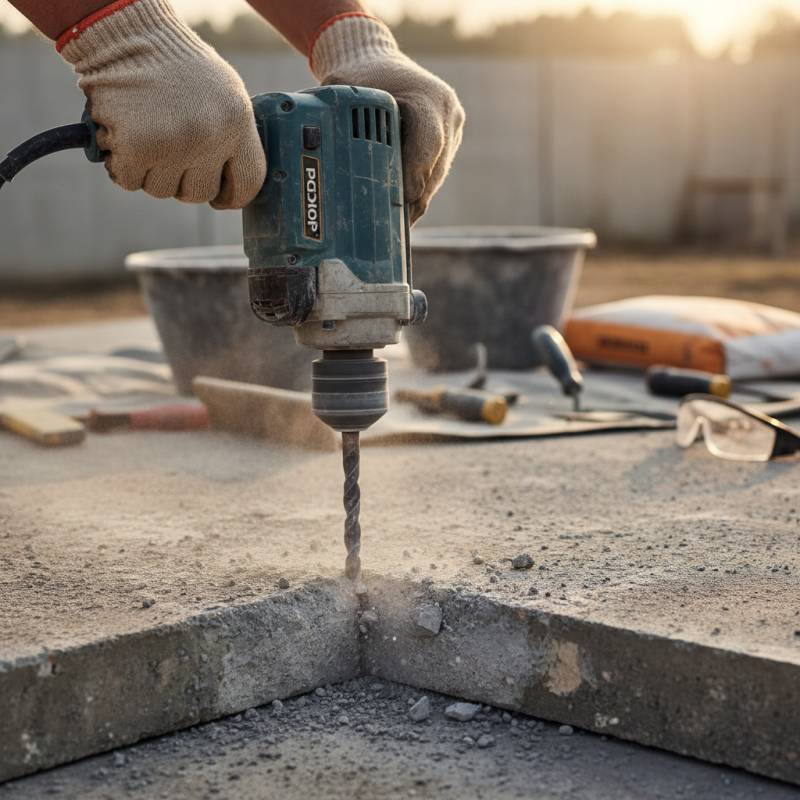
When working with hard concrete, having the right tools is crucial. Essential equipment includes a high-quality concrete mixer, trowels, and chisels. A concrete saw is vital for cutting through tough surfaces. Investing in these tools will save time and effort during your project. Remember, each tool has its purpose. Misusing them can lead to project delays and poor results.
Tips: Always wear protective gear. Safety goggles and gloves can prevent injuries. Sometimes, the most basic tools, like a hammer, are essential for fine adjustments. Assess your needs before starting the work.
Consider the environment when working with hard concrete. Weather can affect the curing process. Extreme heat may require special additives. Cold temperatures can extend curing time. Each condition demands careful planning. Reflecting on your previous projects can inform better strategies in future ones.
Techniques for Cutting and Shaping Hard Concrete
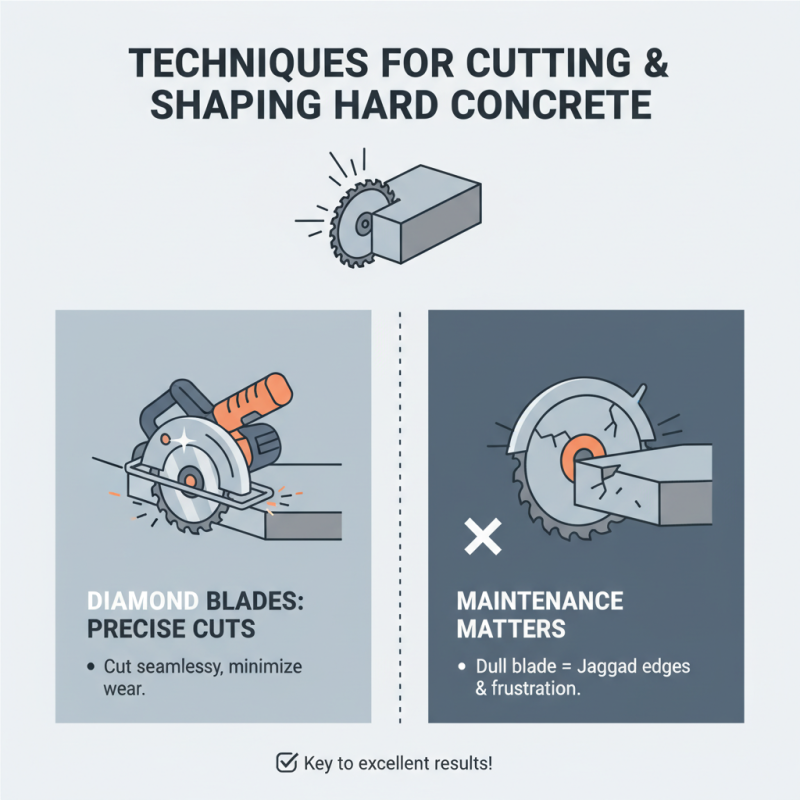
Cutting and shaping hard concrete can be challenging. Various techniques can lead to excellent outcomes. Diamond blades are a go-to choice for precise cuts. These blades cut through concrete seamlessly, minimizing wear. However, users must pay attention to the blade's condition. A dull blade can produce jagged edges and lead to frustration.
Using a wet saw is another effective method. The water cools the blade and reduces dust. This technique works wonders for larger projects. Yet, controlling the water flow can be tricky. Too much water may affect the project area around the cut.
For shaping concrete, consider using angle grinders. They can help refine edges and create intricate designs. However, it’s essential to practice on scrap pieces first. Mistakes can be costly, leaving permanent marks. Finally, using templates for complex cuts can enhance accuracy. Templates may seem tedious but lead to better results. Taking the time to set them up pays off in the end.
Best Practices for Finishing and Curing Hard Concrete
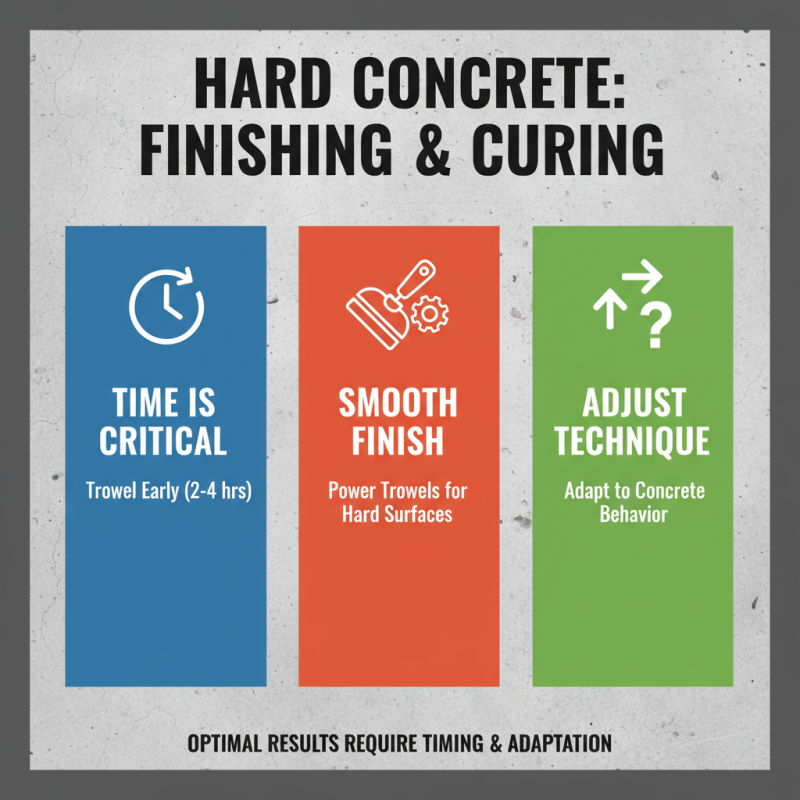
When working with hard concrete, finishing and curing are critical for achieving optimal results. One crucial aspect is timing. Begin troweling as soon as the surface is sufficiently set. This usually occurs within a few hours after pouring. If you wait too long, you'll struggle to get a smooth finish. A hard surface requires special tools, like power trowels, to achieve that polished look. Don’t hesitate to adjust your technique based on how the concrete behaves.
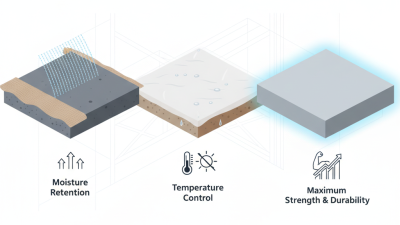
Curing is just as important as finishing. Proper curing helps the concrete achieve its desired strength and durability. Covering the surface with wet burlap or plastic sheeting is a common method. However, be aware that excessive moisture can lead to surface imperfections, like efflorescence. An uneven curing process can compromise your work. Keep an eye on the concrete and adjust the curing method based on weather conditions. High temperatures can dry your concrete too quickly, leading to cracks. Regular hydration is vital in such circumstances.
Safety Precautions When Working with Hard Concrete
When working with hard concrete, safety should always be a priority. Wearing appropriate personal protective equipment (PPE) is crucial. This includes safety goggles, gloves, and sturdy footwear. These items protect against flying debris and heavy materials. Hard surfaces can produce dust and particles during grinding or cutting, so a dust mask is also recommended.
Ensure your workspace is organized. Remove any unnecessary items that could cause tripping. Check that all tools are in good condition before starting. A malfunction can be dangerous when working with hard materials. If you're using power tools, ensure they are equipped with safety guards.
Consider the environment as well. Working outdoors means being aware of the weather. Rain or high winds can affect your safety and the quality of your work. Take breaks to prevent fatigue, as tiredness can lead to mistakes. Reflect on your experience after each project. Learning from each task helps improve future performance and enhances safety awareness.
Concrete Strength Testing Results
This chart illustrates the compressive strength of concrete over a period of time from 1 day to 28 days, showcasing the typical strength development as the curing process takes place.