What is Wpc Decking Board Benefits and Uses for Buyers?
When choosing outdoor materials, buyers often face a tough decision. Among the options, Wpc Decking Board stands out for its unique benefits. This composite material blends wood fibers with plastic, offering durability and charm. Homeowners appreciate its resistance to moisture and pests. Unlike traditional wood, it requires less maintenance, making it a practical choice.
Wpc Decking Board can transform patios, poolsides, and decks into inviting spaces. It is available in various colors and textures, appealing to different styles. Buyers often wonder about its long-term performance. With proper installation, it can last for many years, maintaining its look with minimal effort.
However, it is important to consider the environmental impact. Wpc materials are often made from recycled components, which can be a plus. Yet, some might question the sustainability of manufacturing processes. Overall, Wpc Decking Board combines aesthetics with functionality, making it a valuable option for many.
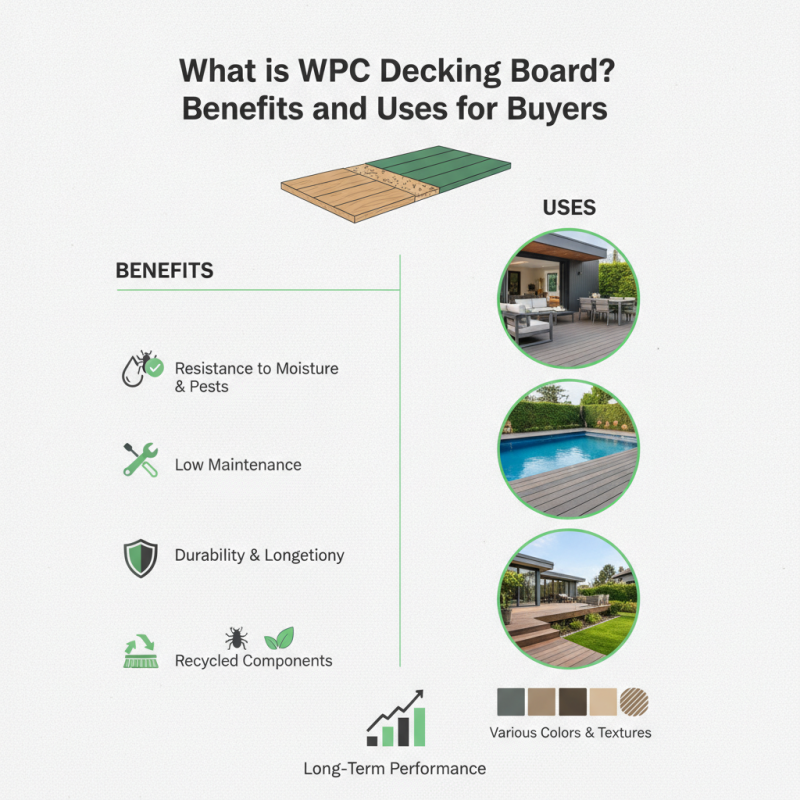
What is WPC Decking Board: Definition and Composition Overview
WPC decking boards are becoming popular in outdoor spaces. WPC stands for wood-plastic composite. This material combines wood fibers with plastic, creating a sturdy and durable product. You can find WPC decking in various colors and finishes, which allows for great aesthetic flexibility.
One key benefit of WPC decking is its resistance to moisture and pests. Unlike traditional wood, it does not warp or splinter easily. This makes it a top choice for decks, patios, and garden areas. WPC decking boards require less maintenance compared to wood. However, it’s important to note that they can fade over time when exposed to direct sunlight.
Tips: Regular cleaning can prolong the life of your WPC decking. Use a mild detergent and a soft brush to clean it. Avoid using harsh chemicals or pressure washers, as they can damage the surface. Also, consider the climate in your area. Extreme temperature changes can affect the board's performance.
Choosing WPC decking means investing in a sustainable option. Its manufacturing process uses recycled materials. This not only reduces waste but also offers a more eco-friendly alternative to traditional wood. However, it’s essential to understand that not all WPC boards are created equal. Some may contain a higher percentage of plastic than wood, affecting performance.
Key Benefits of WPC Decking: Durability and Low Maintenance Features
WPC decking boards offer remarkable durability and low maintenance features, making them an excellent choice for outdoor spaces. These boards are engineered from a blend of wood fibers and plastic, providing a sturdy surface that resists weathering. Unlike traditional wood, WPC does not warp, splinter, or rot, ensuring it stands firm through changing climates.
One of the highlights of WPC decking is its low maintenance requirements. Homeowners appreciate the fact that it needs little more than regular sweeping and occasional washing. There’s no need for annual sanding or staining, which can be both time-consuming and costly. While it is generally resistant to fading, some owners notice slight color changes over time. This could lead to some concerns about aesthetics, yet the overall benefit of less upkeep remains a strong advantage.
Moreover, WPC decking is often considered more eco-friendly compared to pure wood options. It utilizes recycled materials, reducing the demand for new timber. However, some buyers may want to weigh the environmental impact of plastic components carefully. This reflection can lead to better-informed choices in the long run, aligning personal values with product selection. WPC decking, despite its few drawbacks, provides a practical solution for enhancing outdoor living areas.
What is Wpc Decking Board Benefits and Uses for Buyers?
| Feature | Description | Benefits | Typical Uses |
| Durability | Resistant to moisture, rot, and decay | Long lifespan, cost-effective over time | Patios, decks, and walkways |
| Low Maintenance | Requires minimal upkeep, no staining or sealing | Saves time and maintenance costs | Residential and commercial applications |
| Eco-friendly | Made from recycled materials | Sustainable choice for environmentally conscious buyers | Gardens, terraces, and eco-parks |
| Aesthetic Appeal | Variety of colors and textures available | Enhances the appearance of outdoor spaces | Backyards, commercial properties, and resorts |
| Slip Resistance | Textured surfaces that provide traction | Increased safety for families and pets | Poolsides, outdoor stairs, and patios |
Sustainability of WPC Decking: Eco-friendly Materials and Practices
WPC (Wood-Plastic Composite) decking is gaining traction for its eco-friendly nature. It combines recycled wood fibers and plastic, reducing waste significantly. Industry reports reveal that using recycled materials can decrease landfill contributions by up to 30%. This aligns with growing consumer trends favoring sustainability.
One major benefit is its durability. WPC decking resists weather damage, which means less need for replacements. In contrast, traditional wood decks require frequent maintenance and treatment. Studies indicate that WPC can last 25 years or more with minimal upkeep. This aspect not only saves time but also reduces the need for harmful chemicals used in wood treatments.
While WPC decking boasts many positives, challenges exist. Sourcing environmentally friendly plastics can be tricky, leading to a reliance on virgin materials. Additionally, some consumers express concerns about the aesthetics, as WPC might not appeal to everyone. Addressing these issues is vital for the industry's growth. It encourages further innovation and sustainability in manufacturing practices, focusing on reducing the carbon footprint overall.
Applications of WPC Decking: Residential and Commercial Uses
WPC (Wood Plastic Composite) decking is gaining popularity in various sectors. It offers durability and low maintenance, making it appealing for both residential and commercial uses. Homeowners often choose WPC decks for their backyards. They appreciate the blend of wood's beauty and plastic's resilience. Aesthetically, they can mimic traditional wood, but without the drawbacks.
In commercial settings, WPC decking is valuable for outdoor spaces, such as patios and boardwalks. Its resistance to moisture and insects makes it ideal for these environments. Restaurants can enhance outdoor dining areas with WPC. It provides a safe surface for customers and employees alike. However, some might question its longevity. Regular cleaning and proper installation are necessary for optimal performance.
Investing in WPC decking can sometimes lead to uncertainty. While it is more resistant than traditional wood, it still requires care. It's essential to weigh the benefits against potential drawbacks. Each application, whether residential or commercial, presents unique challenges. Understanding these nuances helps buyers make informed choices.
WPC Decking Board Benefits and Uses
This chart displays the various benefits and uses of WPC decking boards in both residential and commercial applications.
Cost Analysis: Comparing WPC Decking with Traditional Materials
When considering decking options, cost is a crucial factor. WPC decking often presents a more upfront investment compared to traditional wood. However, buyers should look beyond initial costs. WPC, or wood-plastic composite, typically requires less maintenance. This can lead to long-term savings. Traditional materials may need regular staining and treatments to withstand the elements.
Durability is another significant factor. WPC decking can withstand moisture and resist fading, which can be attractive in regions with harsh weather. Meanwhile, wooden decks may warp and deteriorate over time. Repair costs can add up quickly.
Buyers should also consider the lifecycle of the materials. WPC decking often enjoys a longer lifespan. This longevity can offset the initial price difference. However, not all WPC products are created equal. It's essential to research quality when making a decision. Balancing cost and durability requires careful thought.
