What is WPC Decking and Why is it Popular Worldwide?
Wpc Decking, or wood-plastic composite decking, has gained significant popularity worldwide. Data from the Freedonia Group indicates that the global WPC market is projected to reach $7 billion by 2027. This remarkable growth can be attributed to its durability and aesthetic appeal. Homeowners are increasingly opting for WPC decking to enhance their outdoor spaces.
Manufacturers have innovated to create products that combine wood fibers with recycled plastic materials. This process results in a sustainable alternative to traditional wood decking. According to a report by MarketsandMarkets, WPC decking offers a longer lifespan than wood, lasting up to 25 years when properly maintained. Many consumers appreciate its resistance to rotting and splintering.
However, challenges remain. Some consumers still question the environmental impact of plastic materials used in WPC decking. The balance between sustainability and performance is a topic of ongoing debate. Overall, WPC decking presents an attractive option for many, but careful consideration is essential in off-the-shelf selections.
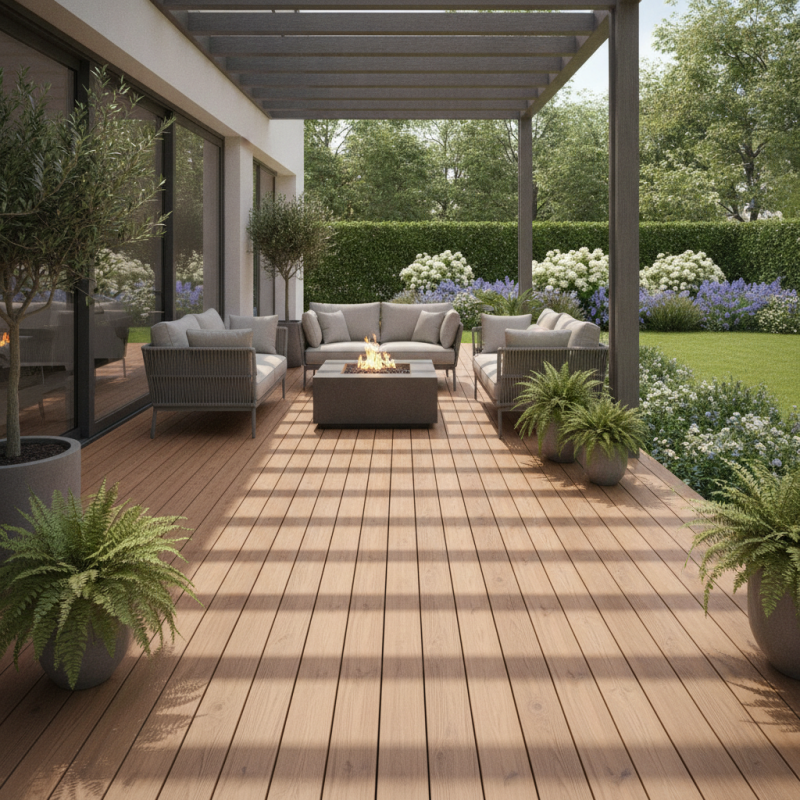
What is WPC Decking: Definition and Composition Overview
WPC decking stands for wood-plastic composite decking. It combines wood fibers with plastic, creating a durable material. This innovative solution is increasingly popular for outdoor spaces. WPC decking offers a unique blend of benefits that appeal to many homeowners and builders alike.
The composition of WPC decking is key to its popularity. The wood fibers provide an authentic look and feel. Meanwhile, the plastic content ensures resistance to moisture and insects. This makes it an ideal choice for areas exposed to the elements. It is common to see WPC decking used around pools, patios, and gardens. In addition, the material is low-maintenance, requiring occasional cleaning rather than extensive upkeep.
Despite its advantages, WPC decking can be more expensive than traditional wood. Some users find that it may fade over time, leading to mixed reviews. The decision to choose WPC should consider the balance between cost and long-term benefits. Homeowners often weigh these factors carefully before making a choice.
Key Advantages of WPC Decking Compared to Traditional Materials
WPC decking, or wood-plastic composite decking, is gaining traction due to its unique blend of materials. This type of decking offers significant advantages over traditional wood and plastic alternatives. It is designed to withstand the test of time, reducing maintenance needs and increasing durability. Homeowners appreciate its resistance to rot, mold, and insects, making it a long-term investment.
One of the standout features of WPC decking is its eco-friendliness. It is made from recycled materials, minimizing environmental impact. This appeals to those seeking sustainable building solutions. Additionally, WPC decking comes in various styles and colors, allowing for personalization without sacrificing quality.
Tip: Always consider local climate conditions when choosing decking materials. Some may perform better in certain environments than others.
Another advantage is cost-effectiveness. Although the initial investment may be higher, the longevity and reduced upkeep of WPC decking save money in the long run. However, some might find it less appealing in terms of aesthetics compared to natural wood. It's essential to weigh the pros and cons.
Tip: If you're unsure, visit a local showroom to see WPC decking samples in person. This can help you visualize its look in your space.
Global Market Trends: WPC Decking Usage and Growth Statistics
WPC (Wood Plastic Composite) decking is experiencing rapid growth in the global market. Many homeowners and builders are drawn to its durability and aesthetic appeal. WPC combines wood fiber and plastic, resulting in a material resistant to weather and pests. This blend offers a solution for outdoor areas, where traditional materials might struggle.
Statistical trends indicate a significant rise in WPC decking usage. The market is projected to grow steadily, thanks to factors such as urbanization and environmental concerns. More people seek sustainable options, and WPC fits well within this mindset. Reports show that regions investing in green building practices are seeing a surge in WPC installation.
However, the rise isn't without concerns. Some users question the longevity of WPC compared to traditional wood. There are ongoing debates on whether WPC can genuinely mimic the look and feel of real wood. Additionally, the initial cost can be higher than some alternatives. For those transitioning to WPC, gathering insights and experiences can guide their choices.
WPC Decking Popularity Trends Worldwide
This chart illustrates the percentage of WPC decking usage across different regions worldwide. North America leads with 35%, followed by Europe at 25%, and Asia at 20%. The Latin America and Middle East & Africa regions each account for 10% of the global WPC decking usage.
Environmental Impact: Sustainability of WPC Decking Materials
WPC decking, or Wood-Plastic Composite decking, has gained popularity due to its sustainable nature. Made from recycled wood and plastic, it reduces waste in landfills. The environmental impact is significant. Unlike traditional wood, WPC does not require logging of trees, preserving forests. Furthermore, these materials offer durability without the need for harmful chemical treatments.
Using WPC can also lower carbon footprints. It requires less energy to produce than pure wood products. Care for these decks generally involves minimal upkeep. This means fewer chemicals and resources throughout their lifespan. Homeowners are realizing the benefits of making eco-friendly choices in their outdoor spaces.
Tips for selecting WPC decking include checking the composition. Ensure it contains recycled materials. Look for certifications that validate its sustainability claims. Not all WPC is created equal; some may have more plastic than wood. This can affect performance and recyclability. Investing in quality products is essential for long-term benefits. Choose trustworthy suppliers with a commitment to eco-friendly practices.
Installation and Maintenance: Best Practices for WPC Decking Longevity
WPC decking, made from wood-plastic composite, is surging in popularity. Its appeal stems from its durability and low maintenance requirements. Yet, to maximize its longevity, proper installation and care are essential.
For installation, a flat and stable foundation is crucial. Uneven surfaces can lead to warping over time. Reports indicate that 40% of decking failures are linked to improper installation. Leave space for thermal expansion. This small detail can prevent big issues later on.
Maintenance should not be overlooked. Regular cleaning is vital. Use a mild detergent and a soft brush. Avoid harsh chemicals, as they can degrade the material. Some studies suggest that neglected WPC decks can lose 20% of their aesthetic appeal within five years. Additionally, inspecting the decking periodically for signs of wear will help catch issues early. A proactive approach is necessary to enjoy the benefits of WPC decking for years.
