What is Batching of Concrete and Its Importance in Construction?
The batching of concrete is a crucial phase in the construction process. This method influences the quality, durability, and performance of concrete structures. According to the National Ready Mixed Concrete Association (NRMCA), proper batching can enhance the consistency of concrete by up to 30%. Accurate proportions of materials lead to optimal strength and workability.
Incorporating precision in batching ensures that each mix meets the required specifications. A report from the American Concrete Institute (ACI) highlights that poorly controlled batching can cause significant failures in concrete structures. This not only compromises safety but also leads to costly repairs and project delays.
Despite advancements in technology, errors in batching still occur. In a recent study, approximately 15% of construction projects reported inconsistencies in concrete mix designs. This emphasizes the need for rigorous quality control measures. Engaging experienced personnel and utilizing precise equipment can mitigate these issues considerably. Implementing best practices in the batching of concrete is essential to achieving successful outcomes in construction.
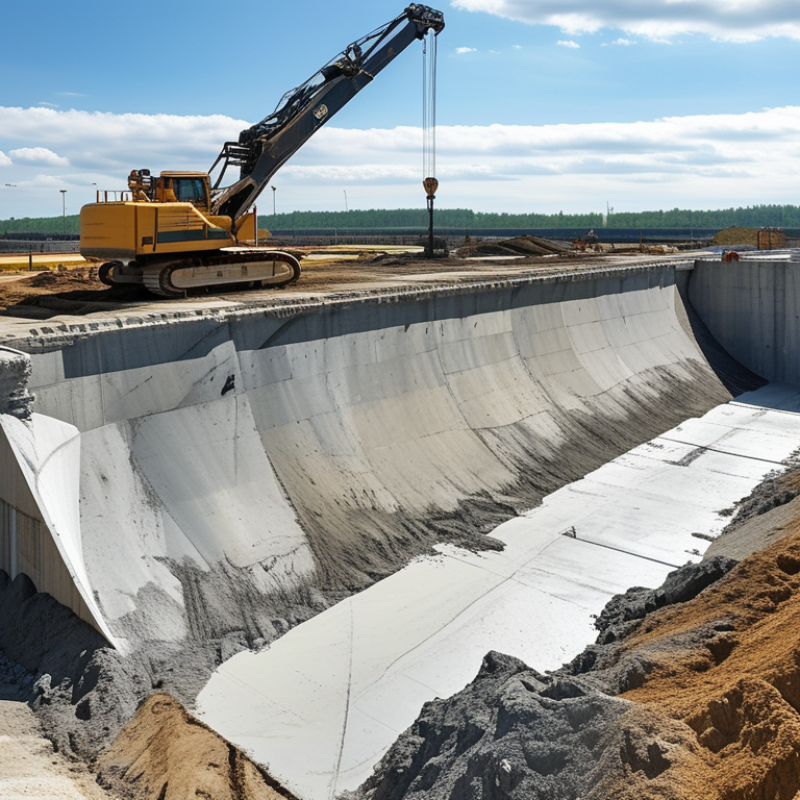
Definition of Batching of Concrete in Construction Processes
Batching of concrete is a critical process in construction. It ensures that the right proportions of materials are mixed to achieve the desired strength and durability. According to the American Concrete Institute, proper batching can enhance the quality of concrete by ensuring uniform dispersion of ingredients.
In construction, precision is vital. Batch mixtures often include cement, aggregates, water, and additives. An industry report indicates that a 1% error in batching can lead to a strength reduction of up to 6%. This highlights the importance of accurate measurements. Different projects have unique requirements, making effective batching essential for performance.
Additionally, batching can impact the overall efficiency of construction. Poorly batched concrete can result in material waste and project delays. For instance, a study showed that inadequate batching led to over 10% extra material costs on average. Achieving consistency is key, yet many workers face challenges in maintaining these standards. Such difficulties can undermine the entire construction process, making continuous improvement in batching methods necessary for future projects.
Types of Batching Methods Used in Concrete Production
Batching is a crucial process in concrete production, ensuring the right proportions of materials are mixed. It directly affects the quality and strength of the concrete used in construction projects. There are mainly two types of batching methods: volume batching and weight batching. Each method has its unique benefits and drawbacks.
Volume batching is straightforward and commonly used for smaller projects. It relies on measuring ingredients by volume. However, this method can lead to inaccuracies due to changes in material density. A study by the American Concrete Institute found that improper batching can reduce concrete strength by up to 20%. This is significant in situations where structural integrity is critical.
Weight batching offers a more precise approach. It involves measuring each material by weight rather than volume. This method reduces variability and enhances the consistency of the concrete mix. According to the National Ready Mixed Concrete Association, weight batching can improve mix uniformity by nearly 15%. Yet, weight batching requires careful calibration of equipment. If not properly maintained, it can lead to errors in the mix. Maintaining accuracy is essential for ensuring the concrete meets the required specifications for safety and durability.
Importance of Accurate Batching for Concrete Quality
Accurate batching of concrete is crucial for maintaining its quality. It ensures the right proportions of cement, water, aggregates, and additives are used. Even minor discrepancies can lead to significant variations in strength and durability. This precision directly impacts the structure's longevity.
Different projects may require varying ratios. A high-quality mix can improve resistance to weathering and cracking. Conversely, improper batching may result in weak spots, leading to costly repairs later. Each measurement plays a vital role in the final outcome.
Building professionals must be meticulous in their approach.
However, achieving precision in batching is not always straightforward. Different materials may have varying moisture levels. Moreover, human error in measurement can affect consistency. It’s essential to regularly review and adjust batching processes. Continuous training for workers can enhance accuracy and reliability in concrete production. This proactive stance highlights the importance of cultivating expertise in concrete batching for successful construction projects.
Impact of Batching on Project Efficiency and Cost-effectiveness
Batching of concrete is a crucial process in the construction industry, directly influencing project efficiency and cost-effectiveness. Accurate batching ensures uniformity in concrete mixtures, reducing waste and minimizing rework. A study by the National Ready Mixed Concrete Association indicates that precise batching can enhance project delivery by up to 20%. This efficiency not only saves time but also significantly impacts costs.
Implementing effective batching practices can eliminate variations in strength and durability. For instance, incorrect proportions can lead to increased material costs. Research shows that inconsistencies in concrete can affect a structure’s lifespan, potentially leading to costly repairs. Proper training for personnel involved in batching is essential to avoid mistakes that could derail a project.
Tips: Always conduct regular checks of your batching equipment. Calibration can help maintain accuracy. Don’t underestimate the importance of staff training in batching techniques. A skilled team can spot potential issues early. Aim for a balance between speed and precision in your batching processes to optimize overall project performance.
What is Batching of Concrete and Its Importance in Construction?
| Concrete Type |
Batching Method |
Typical Mix Ratio |
Cost per Cubic Yard |
Impact on Project Efficiency |
Importance in Cost-effectiveness |
| Standard Concrete |
Manual Batching |
1:2:4 |
$120 |
Moderate Efficiency |
Standard Cost |
| High-Strength Concrete |
Automated Batching |
1:1.5:3 |
$150 |
High Efficiency |
Improved Cost Savings |
| Lightweight Concrete |
Weight-Based Batching |
1:2.5:4.5 |
$130 |
Good Efficiency |
Cost-effective for Specific Uses |
| Self-Compacting Concrete |
Volume-Based Batching |
1:1:2 |
$170 |
Very High Efficiency |
Expensive, but Efficient Long-term |
| Recycled Aggregate Concrete |
Aggregate-Specific Batching |
1:2:5 |
$110 |
Moderate Efficiency |
Environmentally Friendly and Cost-efficient |
Challenges and Solutions in Concrete Batching Operations
Concrete batching is essential in construction, but it comes with its challenges. One common issue is achieving the right mix. Inconsistent materials can lead to variations in strength. This can compromise the integrity of a structure over time. Ordering materials without quality checks adds to this uncertainty.
Another significant challenge is the mixing process itself. If the equipment isn’t calibrated correctly, it can lead to improper blending. Some operators overlook maintenance. This neglect can cause breakdowns and delays. Reducing production efficiency and increasing costs become inevitable. Communication gaps among team members can further complicate batching operations.
Solutions exist but require attention. Regular training for staff ensures they understand the importance of each step. Implementing quality control measures helps catch inconsistencies early. Investing in reliable equipment may seem expensive upfront but pays off in the long run. Operational efficiency can lead to significant project savings. Addressing these challenges head-on helps create a more reliable concrete supply, which is crucial in construction.
Concrete Batching Plant Production Data