Mon - Fri 8:00AM - 5:00PM Central
1150 SE Hamblen Rd, Lee's Summit, MO 64081
Choosing among the 10 Best Epoxy Polymer Concrete Products for Buyers requires more than comparing prices or impressive strength numbers. Each product must match the site, load, temperature, and chemical exposure. Epoxy polymer concrete can repair damaged slabs, form durable overlays, and protect industrial floors. However, the wrong resin system may crack, soften, or lose adhesion. Small details matter. Surface moisture matters. Aggregate size matters. Mixing time matters.
Dr. David W. Fowler, a respected concrete materials researcher, explains, “Polymer concrete uses polymer resin as the binder instead of Portland cement.” This principle separates polymer concrete from ordinary cement-based repair materials. Buyers should examine resin type, compressive strength, flexural strength, bond strength, curing conditions, and service temperature. They should also check technical data sheets, installation instructions, warranty terms, and independent test results. A product with excellent laboratory performance may still fail on a poorly prepared surface.
This guide compares ten epoxy polymer concrete products through a practical buyer’s lens. It considers patching compounds, repair mortars, resurfacing systems, and industrial flooring materials. The comparison focuses on durability, application difficulty, chemical resistance, curing speed, and long-term value. Some products look perfect on paper. They may not suit every job. A fast-curing system can become difficult to place in warm weather. A high-strength mortar may be unnecessary for a light-duty workshop. These limitations deserve attention. Product selection is not a simple ranking exercise. It is a careful balance between performance, site conditions, installer experience, and realistic maintenance expectations. A small trial area can reveal problems before a full installation begins.
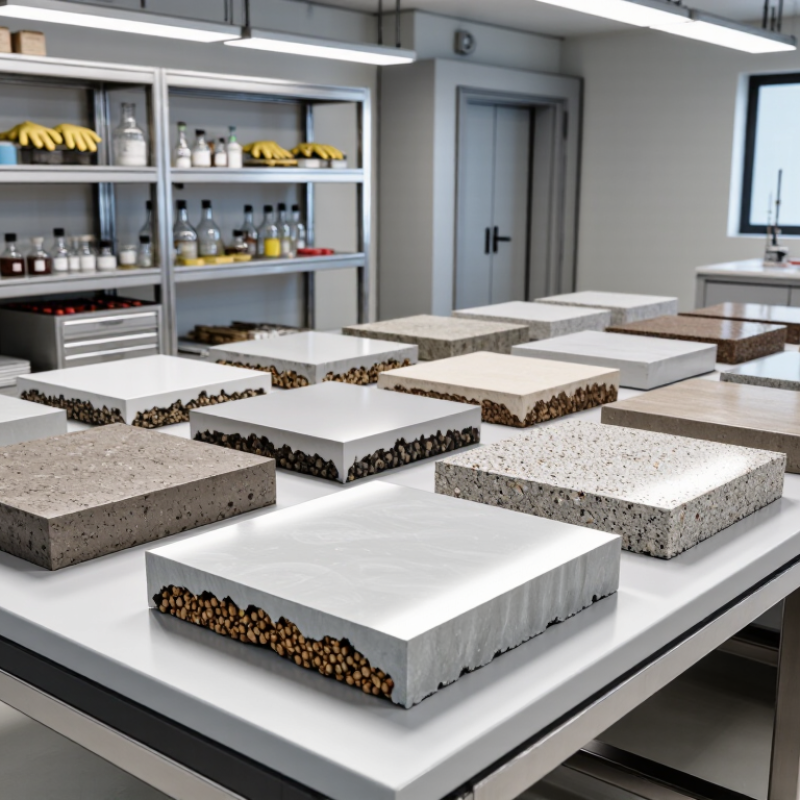
Epoxy polymer concrete combines graded mineral aggregate with epoxy resin and a curing agent. The resin binds particles tightly, creating a dense, low-permeability repair material. Unlike Portland-cement concrete, it usually cures through chemical reaction rather than hydration. This matters in cold weather and time-sensitive repairs. ASTM C881 classifies epoxy systems by type, grade, and viscosity, helping engineers match materials to actual site conditions.
Its common uses include bridge-deck patches, industrial floors, crack repairs, machine bases, trench drains, and thin protective overlays. FHWA’s 2023 National Bridge Inventory reported about 42,000 U.S. bridges in poor condition. Fast-curing polymer concrete can reduce lane closures when properly specified. Field crews often place it around exposed reinforcing steel, then broadcast aggregate for texture. It can also resist oils, salts, and repeated forklift traffic better than ordinary repair mortar.
Performance still depends on preparation. Dust, moisture, weak concrete, and incorrect mixing can cause debonding. Not magic. A 2022 ACI 548.3R guide emphasizes surface preparation, bonding, and quality control for polymer concrete applications. Buyers should compare compressive strength, tensile bond strength, working time, cure temperature, shrinkage, and chemical resistance. Product data sheets may look impressive, but independent testing under ASTM methods is more dependable. I would also question very low-cost formulations; lower price can hide shorter workability or inconsistent aggregate grading. The best choice fits the repair, climate, traffic load, and installer’s experience.
Choosing among the 10 best epoxy polymer concrete products requires more than comparing prices or headline strength ratings. Start with the repair location. A warehouse floor may need abrasion resistance, while a cracked equipment base may demand stronger bonding and low shrinkage. Check the technical data sheet for compressive strength, tensile adhesion, working time, cure time, and recommended thickness. Numbers matter. Context matters more.
Inspect the concrete before selecting a product. Dust, oil, moisture, weak surfaces, and moving cracks can cause failure, even with a high-quality repair compound. A moisture test is useful in damp areas. Also, confirm whether the material tolerates the expected temperature range and chemical exposure. A product designed for thin patching may perform poorly in a deep void. Aggregate size matters too, especially when the repair must fill a rough cavity.
Read the safety data sheet and application instructions carefully. Ventilation, mixing ratios, surface preparation, and curing conditions affect reliability. Buy enough material from compatible batches when possible, because color and workability can vary slightly. Do not trust laboratory strength alone. Site conditions are messier. A small trial area can reveal poor adhesion, rapid setting, or difficult finishing before the full repair begins. This step feels slow, but skipping it can create expensive rework. A product may look excellent on paper and still be the wrong choice for your concrete.
Epoxy polymer concrete products differ sharply in strength, curing speed, and surface tolerance. Rapid-repair mortars suit damaged warehouse edges and loading bays. They often reach service strength within hours, but their working time is short. High-build epoxy overlays create smooth, dense floors for factories and parking areas. Self-leveling compounds deliver better appearance, although uneven substrates can cause thin spots. Trowel-grade repair mortar performs well on vertical corners and steps. It needs careful mixing to prevent soft patches. Chemical-resistant epoxy linings protect concrete near processing rooms and maintenance areas. Their performance depends heavily on correct film thickness.
Moisture-tolerant primers are useful where concrete retains slight dampness. They are not a solution for active leaks. Cold-weather repair formulas can cure below normal temperatures, yet curing slows noticeably overnight. Flexible epoxy crack fillers handle narrow movement joints better than rigid mortars. Abrasion-resistant overlays suit forklift routes, but poor surface preparation will still cause peeling. Decorative aggregate systems provide texture and visual consistency. Their slip resistance changes with aggregate size and finishing technique.
My early ranking favored hardness too much. Field performance also depends on moisture testing, surface grinding, mixing accuracy, and installer experience. A product that looks excellent on a sample panel may fail beside a wet doorway. Small differences matter.
Check adhesion, compressive strength, abrasion loss, cure time, and chemical exposure data before buying. Independent test reports are more reliable than polished product claims.
Choosing an epoxy polymer concrete product starts with the defect, not the catalog ranking. For hairline cracks in dry slabs, low-viscosity injection resin can penetrate narrow gaps. Wider voids need a trowel-grade repair mortar with graded aggregate. For broken corners, use a non-sag formula that holds its shape on vertical faces. Moisture changes the decision. A damp basement may reject a standard system, even when the surface looks clean. Check substrate moisture limits before mixing. Small detail, major consequence.
For worn warehouse floors, self-leveling epoxy concrete suits broad, shallow damage and creates a smoother traffic surface. Deep potholes need a high-build, aggregate-filled compound instead. Choose fiber-reinforced repair concrete where impact and vibration are constant. Use chemical-resistant formulations around processing areas, but confirm resistance against the actual solvent or acid. Anchoring grout belongs under equipment bases and steel posts, where controlled shrinkage matters. Decorative resurfacing products fit appearance-driven repairs, not structural rebuilding. They are not interchangeable.
Experienced buyers compare working time, cure temperature, bond strength, compressive strength, and slip resistance. I also inspect the prepared surface, because poor grinding can defeat an excellent formulation. Follow the mixing ratio and record batch conditions. A site trial is wiser than trusting a brochure. I once favored a fast-cure repair, but its short working window created needless waste. That mistake changed my selection process. Consult a qualified engineer when cracks are moving, loads are uncertain, or damage reaches reinforcement. The cheapest pail can become the most expensive repair.
Choosing among the 10 best epoxy polymer concrete products requires more than comparing prices. Safety should guide every purchase. Check the technical data sheet, curing time, chemical resistance, and intended load. Workers should wear gloves, eye protection, and suitable respiratory protection during mixing. Ventilation matters, especially in enclosed rooms. A low-odor product is helpful, but it is not automatically risk-free.
Application conditions can decide whether the repair lasts. Remove dust, oil, loose concrete, and standing water first. Measure both components carefully. Small ratio errors may create soft spots or incomplete curing. The substrate should usually be dry and within the specified temperature range. Use a clean trowel and press the material firmly into cracks or damaged edges. I have seen rushed repairs fail because the surface looked clean, but hidden moisture remained.
Maintenance is simple, but not optional. Inspect repaired areas for cracking, lifting, or color changes every few months. Clean spills quickly and avoid harsh tools that scratch the surface. Follow the stated reopening time, even when the material feels hard. It may need longer to develop full strength.
Tips: Buy only from suppliers who provide batch details, safety documents, test results, and clear storage instructions. Compare coverage per package, not just the package price. Keep unused material sealed and stored away from heat. A small test patch is wise. It may reveal poor bonding before the real repair begins.