2026 How to Choose the Best Cement and Concrete for Your Projects?
Choosing the right cement and concrete for your projects can be challenging. Numerous options flood the market, making decisions complex. Each type of cement and concrete offers unique properties suitable for specific applications. Understanding these differences is crucial for project success.
Different projects require different ingredients. For instance, high-strength concrete suits heavy-load structures, while lightweight concrete benefits certain designs. Consider the environment too. Some cements perform poorly in wet or corrosive settings. Additionally, the curing process impacts strength and durability.
Evaluating your project’s needs is essential. Reflect on cost-effectiveness and sustainability when selecting materials. Not all choices are straightforward, and sometimes compromises are necessary. Aim for balance between quality and budget. It's a continuous learning process to master cement and concrete selection.
Understanding the Different Types of Cement Available for Use
When selecting cement for your project, understanding the types available is crucial. Ordinary Portland Cement (OPC) is the most commonly used. It works well for most applications, like residential buildings and sidewalks. Yet, it's not ideal for every situation. Exposure to moisture or aggressive environments can lead to deterioration.
Another option is Portland Pozzolana Cement (PPC). This type includes volcanic ash. It's more environmentally friendly and offers enhanced durability. PPC suits brickwork and structures needing long-lasting strength. However, you may need to adjust your mix designs for optimal performance.
Then there's Sulfate Resisting Cement (SRC), designed for high-sulfate environments. It's perfect for coastal areas or industrial zones. Yet, it might not be necessary for every project. Consider the location and environmental factors before making a choice. Remember, each type has its pros and cons. Make an informed decision based on your specific needs.
Key Factors to Consider When Selecting Concrete Mixes
When selecting concrete mixes, several key factors should be considered. Understanding the project requirements is crucial. Are you building a driveway, a foundation, or creating sculptures? Each application demands different properties. For instance, a driveway needs to withstand heavy loads. In contrast, decorative concrete may focus on aesthetics.
Water-cement ratio significantly affects strength and durability. Lower ratios typically yield stronger concrete. However, creating a workable mix is essential. Additives can help achieve desired consistency. Testing small batches before large-scale mixing can prevent costly mistakes. Also, consider local climate conditions. Extreme temperatures can alter curing times and overall performance.
Another aspect to weigh is the aggregate type. Coarse aggregates provide strength, while fine aggregates ensure a smooth finish. However, using poor-quality aggregates can lead to cracking. Evaluate options carefully and seek advice from professionals. The right mix not only enhances longevity but also reflects the quality of the entire project.
Evaluating the Strength and Durability Requirements for Your Project
Evaluating the strength and durability of cement and concrete is critical. Different projects have unique requirements. For high-traffic areas, like roads, stronger materials are essential. Meanwhile, decorative projects may focus more on appearance than strength. Choosing the wrong mix can lead to costly repairs later.
The composition of concrete matters significantly. It includes water, aggregates, and cement. The right ratio affects strength and longevity. For example, a mix with too much water may weaken the final product. In contrast, too little can make it hard to mold. It's a delicate balance that requires careful consideration.
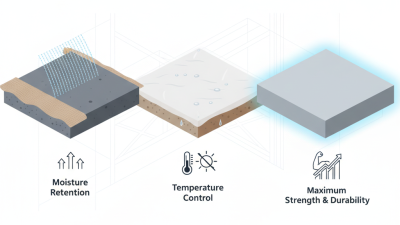
Testing is also an important step. You might want to conduct compressive strength tests and durability assessments. These evaluations help foresee potential issues. Perhaps the initial mix seems perfect, but how does it hold up over time? Continuous monitoring can provide insights that prevent future failures. Remember, even the best intentions can lead to undesirable results if not assessed correctly.
Assessing Environmental Impact and Sustainability of Materials
When selecting cement and concrete for projects, assessing their environmental impact is crucial. The cement industry is a significant contributor to global carbon emissions, accounting for approximately 8% of total emissions, according to the Global Cement and Concrete Association. This highlights the urgency of choosing sustainable materials.
Tips: Consider alternatives like fly ash or slag cement. These materials reduce the carbon footprint. They also enhance concrete durability and strength.
The life cycle assessment (LCA) is a valuable tool. It evaluates the environmental impact from production to disposal. Research shows that recycled concrete aggregates can cut CO2 emissions by 20%. However, quality may vary, so testing is essential.
Sourcing materials locally can also help. Transportation contributes to pollution. Yet, local sources may not always meet performance standards. Balancing environmental benefits with project requirements is often challenging. Remember, every project has unique needs that require careful consideration.
2026 How to Choose the Best Cement and Concrete for Your Projects?
This chart shows the environmental impact and sustainability ratings of different types of cement and concrete materials used in construction projects. The ratings are based on their carbon footprint, recyclability, and resource consumption.
Guidelines for Sourcing Quality Cement and Concrete Suppliers
When sourcing quality cement and concrete suppliers, it's essential to evaluate their credibility and reliability.
According to a 2023 industry report, nearly 30% of construction failures are linked to poor material quality.
Suppliers should provide certifications like ISO 9001 to ensure consistent quality. This not only reflects their commitment to excellence but also reassures you of the materials’ integrity.
In assessing suppliers, request a sample for testing. This can reveal crucial details about strength and durability.
Concrete must meet specific standards; for example, compressive strength classes should align with project requirements.
A study by the American Concrete Institute found variation in concrete strength can exceed 20% among different suppliers.
This variability can impact your project's overall performance.
Check reviews and case studies showcasing previous projects by these suppliers.
Analyzing feedback from other contractors can highlight potential issues.
Transparency in sourcing practices is also vital.
Suppliers with transparent supply chains improve trust and accountability.
However, not all suppliers will have this transparency. It's necessary to perform due diligence to avoid future complications in construction projects.