Mon - Fri 8:00AM - 5:00PM Central
1150 SE Hamblen Rd, Lee's Summit, MO 64081
China’s concrete market is enormous, but conventional cement carries a substantial climate burden. The International Energy Agency’s cement-sector analysis estimates that cement production contributes roughly 7% of global energy-related carbon dioxide emissions. China remains the world’s largest cement producer; the U.S. Geological Survey’s Mineral Commodity Summaries 2025 estimates its 2024 output at about 1.9 billion metric tons. These figures explain growing interest in cement free concrete, including products made with alkali-activated binders, industrial by-products, or other reduced-clinker formulations.
The phrase “cement free” needs careful reading. Products differ in binder chemistry, performance, and how manufacturers calculate emissions. A supplier’s lower-carbon claim is not, by itself, proof of verified life-cycle savings. Buyers should request technical data sheets, independent test results, mix-design details, and project-specific environmental product declarations where available. Check curing conditions, local-material availability, and compatibility with the intended application. Small details matter: a mix that performs well in a precast plant may not suit a wet jobsite.
This guide profiles ten China-based suppliers associated with cement-free or alternative-binder concrete. It considers disclosed product information, production capabilities, and evidence that buyers can verify—not just marketing language. The comparison is useful, but not definitive. Public data can be incomplete, and supplier offerings may change. That is worth remembering. A shortlist should start a technical review, not replace one.
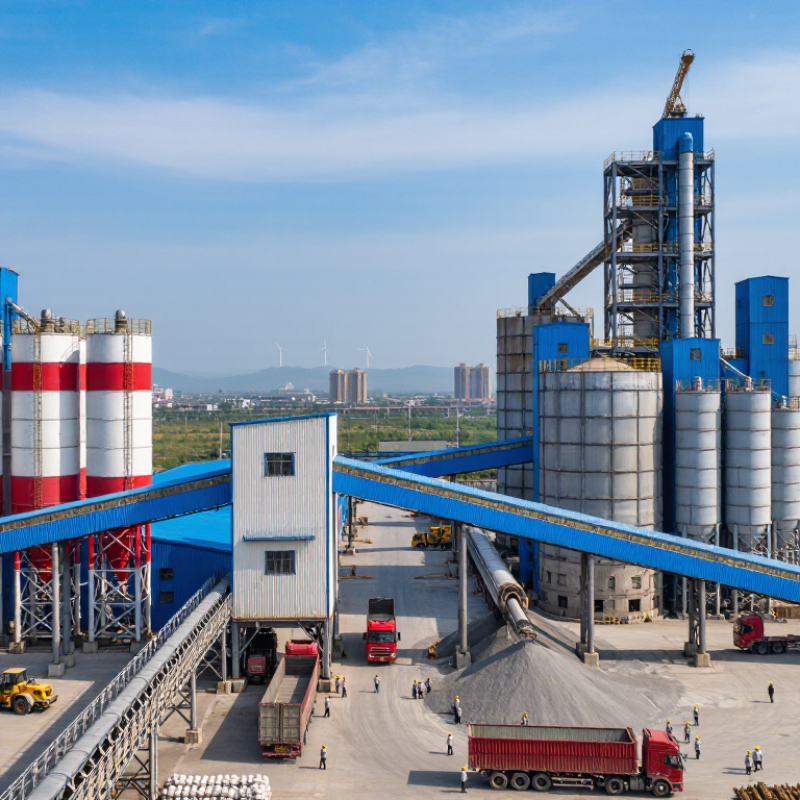
In China, “cement-free concrete” usually means concrete made without ordinary Portland cement, not concrete without a binding material. Producers may use industrial by-products such as ground granulated blast-furnace slag or fly ash, sometimes combined with alkaline activators. Some mixes use other alternative binders. The exact recipe varies by region, feedstock quality, and intended use. That distinction matters.
China’s supply chain is uneven. A plant near steel or power facilities may have different materials from one inland, and their chemistry can change between batches. Buyers should ask for mix-specific test data, not rely on the “cement-free” label alone. Check setting time, early strength, curing needs, shrinkage, and durability under local exposure conditions. Reinforcement compatibility also deserves attention. A promising laboratory result may not predict performance on a busy site. I would treat broad environmental claims cautiously unless the assessment explains its boundary and assumptions.
Tips: Request recent test reports and trial a small batch under site conditions. Confirm how the supplier controls feedstock changes and curing. Ask whether the proposed mix meets the project’s relevant specifications; requirements can differ by application and location.
Evaluating a cement-free concrete supplier in China begins with the binder recipe, not a headline claim. “Cement-free” can describe different systems, including mixes using industrial by-products or other reactive materials. Ask for a clear ingredient list, material sources, batch tolerances, and current technical and safety documents. Details matter. A small change in feedstock may affect setting time or strength.
Request trial batches made for your project’s climate, placement method, and exposure conditions. Check workability at delivery, setting behavior, and strength at agreed testing ages. Add shrinkage, water penetration, or freeze-thaw tests when relevant. Use a qualified independent laboratory where practical. Record curing temperature and moisture; lab results alone may not predict site performance. This part is easy to overlook.
Review production records, quality-control procedures, delivery capacity, and examples of comparable applications. Ask how emissions figures are calculated and what system boundaries they include. A polished carbon claim is not enough. Compare the underlying data. During a site pilot, note pumping behavior, finishing time, and any unexpected cracking. Suppliers should explain limitations as plainly as strengths. Some evidence may still be incomplete, so document open questions before specifying the material.
China’s cement-free concrete suppliers differ in feedstocks, production scale, and testing capacity. These profiles describe ten supplier types, not verified company listings. Buyers should confirm mix designs, plant records, and test reports directly.
Profile 1 is a producer using blast-furnace slag for precast blocks. Profile 2 focuses on fly-ash-based panels. Profile 3 supplies geopolymer paving units for outdoor projects. Profile 4 makes ready-mix blends for local construction trials. Profile 5 develops low-carbon, alkali-activated binders. Profile 6 serves infrastructure projects with engineered precast components. Profile 7 adapts mixes for rapid repair work. Profile 8 supplies lightweight non-structural products. Profile 9 works with recycled mineral materials. Profile 10 offers technical support alongside small-batch production. Their capabilities may overlap.
Details matter. Ask each supplier for compressive-strength results at stated curing ages, water absorption data, and batch traceability. Check whether test specimens match the proposed mix and curing conditions. A polished sample is not enough. Some suppliers may have limited project histories, and public data can be incomplete. That deserves scrutiny. Confirm raw-material consistency, delivery distance, and compatibility with local specifications before comparing prices. Cement-free does not automatically mean lower emissions or better durability; results depend on ingredients, transport, and use conditions.
Global cement-sector CO₂ emissions provide context for interest in cement-free concrete alternatives.
The International Energy Agency estimates that the cement sector emitted approximately 2.4 billion tonnes of CO₂ in 2022. This industry-wide figure is not a ranking or measurement of individual Chinese suppliers; comparable supplier-level data are not provided here.
Source: International Energy Agency, Cement.
Cement-free concrete replaces Portland cement with binders such as alkali-activated fly ash, ground granulated blast-furnace slag, calcined clay, or natural pozzolans. Some mixes use sodium-based activators; others rely on carbonation or magnesium-based chemistry. The choice affects setting time, heat release, shrinkage, and availability. The IEA’s 2023 report, Net Zero Roadmap: A Global Pathway to Keep the 1.5 °C Goal in Reach, estimates cement production causes about 7% of global CO₂ emissions. Lower-clinker binders can help, but “cement-free” does not automatically mean low-carbon. Activator production and transport matter too.
Technology determines where these materials fit. Alkali-activated mixes can serve precast panels, blocks, and selected infrastructure, where controlled curing improves consistency. In a plant, teams can check slump, temperature, and early strength before shipping. Some mixes gain strength more slowly in cool weather. That complicates schedules. Field performance still needs local testing, especially for freeze-thaw cycles, chloride exposure, and reinforcement corrosion. The UNEP 2023 Global Status Report for Buildings and Construction notes that buildings and construction account for 37% of global energy- and process-related CO₂ emissions. Yet project-level comparisons need clear boundaries and verified mix data. One weakness remains: supply and quality can vary between batches. A supplier’s technical sheet is useful, but trial pours reveal more.
This is a supplier-category guide, not a ranking of named companies. “Cement-free” here means concrete made without Portland cement as a binder; it does not mean carbon-free. Availability, mix design, and performance depend on local materials and project-specific testing.
| No. | Supplier or capability type | Typical key materials | Common technology | Potential applications | Procurement and verification points |
|---|---|---|---|---|---|
| 1 | Ground-granulated blast-furnace slag (GGBS) alkali-activated binder suppliers | Ground ironmaking slag; alkaline activator, often based on sodium silicate or sodium hydroxide | Alkali activation of latent-hydraulic slag to form a hardened binder without Portland cement | Precast units, blocks, paving products, and selected ready-mix applications | Confirm slag source and fineness, activator handling requirements, setting behavior, and performance under the project’s curing conditions. |
| 2 | Fly-ash-based geopolymer binder suppliers | Suitable fly ash, alkaline activator, and aggregates | Alkali activation of aluminosilicate-rich fly ash; mix design may require heat or controlled curing | Precast components, masonry products, and projects with suitable curing facilities | Check fly-ash chemistry and consistency. Ambient-cured performance varies with source material and formulation; verify with trial batches. |
| 3 | Blended slag-and-fly-ash binder formulators | GGBS and fly ash in proportions tailored to available regional materials | Alkali-activated blends designed to balance reaction rate, workability, and hardened properties | Precast products and selected infrastructure or building components | Ask for batch-specific test results and documented curing procedures; proportions are formulation-specific rather than universal. |
| 4 | Metakaolin-based geopolymer suppliers | Metakaolin, alkaline activator, and fine and coarse aggregates | Activation of calcined kaolin to produce an aluminosilicate binder | Specialty precast, repair products, and applications where a controlled formulation is practical | Metakaolin is a processed material and may have higher material cost than some industrial by-products; confirm supply continuity and tested performance. |
| 5 | Alkali-activator and admixture suppliers serving cement-free mixes | Sodium-silicate-based or other project-qualified alkaline solutions; compatible workability modifiers where needed | Activator formulation and dosage control for selected slag- or aluminosilicate-based binders | Used by binder formulators, precasters, and ready-mix producers developing project-specific mixes | Review safety data, storage and transport requirements, compatibility, dosage tolerances, and worker-protection procedures. |
| 6 | Industrial by-product mineral-binder processors | Qualified metallurgical slags, fly ash, and other aluminosilicate-rich residues, subject to suitability testing | Material processing, grading, blending, and activation to create a cement-free binder system | Local precast and construction products where a consistent, tested feedstock is available | Industrial by-products are not interchangeable. Require source traceability and checks for chemical variability, contaminants, and applicable environmental requirements. |
| 7 | Geopolymer and alkali-activated precast manufacturers | Project-qualified activated binder, aggregates, and steel or fiber reinforcement where specified | Factory-controlled batching, moulding, and curing of cement-free concrete products | Blocks, panels, paving units, drainage products, and other factory-made components | Confirm product dimensions, reinforcement details, curing records, durability data, and acceptance criteria for the intended exposure conditions. |
| 8 | Specialty cement-free mortar and repair-material producers | Activated slag or aluminosilicate binder, graded sand, and formulation-specific additives | Pre-bagged or factory-controlled dry blends designed for mixing and placement on site | Selected repair, grouting, patching, and specialty construction work | Check substrate preparation, pot life, application thickness, curing instructions, and compatibility with adjacent materials. |
| 9 | Regional ready-mix producers with project-specific cement-free capability | Locally available qualified slag- or fly-ash-based binder, activator, and aggregates | Plant batching against an approved trial mix, with controls for moisture, dosage, and delivery time | Projects where the design team, producer, and owner agree on a tested mix and construction method | Confirm plant capability, delivery radius, fresh-concrete testing plan, placement window, and agreed acceptance requirements before ordering. |
| 10 | Low-carbon materials developers and pilot-scale suppliers | Emerging combinations of industrial mineral residues and other suitable aluminosilicate feedstocks | Research-led binder formulation, pilot production, and performance qualification | Demonstration projects and applications with a defined qualification and monitoring plan | Distinguish pilot availability from routine commercial supply. Request independent test reports, scale-up evidence, and a project-specific quality plan. |
A “cement-free” label needs careful checking. Ask whether the mix contains any Portland cement, and request a written composition statement. Some products use alkali-activated materials or industrial by-products, but formulations vary. Claims need evidence. Request recent test reports, technical data sheets, and the exact test methods used. Check compressive strength at relevant ages, water absorption, and curing requirements. A strong result at 28 days may not answer every project question.
Compare suppliers using the same project conditions. Share your target strength, expected exposure, placement method, and curing temperature before comparing quotations. Ask for batch records and traceability for key raw materials. If possible, visit the production site and observe storage, weighing, and quality checks. Small details matter. A trial mix can reveal workability problems that a neat report may miss. Request samples from more than one production batch, not just a prepared demonstration mix.
Check references for projects with similar climate and service conditions. Ask what failed, changed, or required extra curing; vague answers deserve follow-up. Verify that independent laboratories tested the submitted material, and confirm the report matches the proposed formulation. Carbon claims also need boundaries, such as transport distance and included production stages. I would still hesitate if a supplier promises universal performance. No mix suits every site. Compare documented results, production consistency, and practical support before selecting a supplier.