CONTACT PHONE 816-380-4747
OPEN HOURS

Mon - Fri 8:00AM - 5:00PM Central

ADDRESS

1150 SE Hamblen Rd, Lee's Summit, MO 64081

What Are the Top Types of Cement Free Concrete in 2026?

Concrete is changing, but “cement-free” does not mean one single material. In 2026, the term usually describes mixes that avoid ordinary Portland cement and rely on alternative binders. Some still need careful curing, specialized ingredients, or local testing. That matters.

This guide examines major types of cement free concrete, including alkali-activated and geopolymer mixes, magnesium-based binders, and calcium sulfoaluminate alternatives. Their ingredients and performance vary. An alkali-activated mix may use industrial by-products, while a magnesium-based system can suit different applications and exposure conditions. A label alone cannot predict strength, durability, or environmental impact. Mix design and production details matter.

The comparisons focus on practical questions: What materials are used? How does each option perform in real projects? What constraints affect availability, curing, cost, and long-term service? A contractor needs more than a promising laboratory result. A fresh slab underfoot tells only part of the story. Field results can differ.

Environmental claims also deserve scrutiny. Replacing Portland cement may reduce certain emissions, but the full impact depends on raw materials, transport, processing, and service life. There are trade-offs. Not every alternative fits every region or structure, and evidence may be uneven across applications. This overview offers a grounded starting point, not a universal ranking. Its goal is to help readers compare options, ask sharper questions, and identify where further project-specific evaluation is needed.
What Are the Top Types of Cement Free Concrete in 2026?

How Is Cement-Free Concrete Defined Against Portland Cement’s 7–8% CO₂ Share?

In 2026, “cement-free concrete” usually means concrete made without Portland clinker. It does not always mean zero binder or zero emissions. The distinction matters because Portland cement contributes about 7–8% of global human-caused CO₂ emissions. That figure describes cement production, not every kilogram of concrete. It also varies by accounting method.

Leading types include alkali-activated concrete, geopolymer concrete, magnesium-based concrete, and mixtures rich in natural pozzolans. Alkali-activated systems can use industrial mineral residues as binders. Geopolymer mixes often rely on aluminosilicate materials and alkaline activators. Magnesium-based options may store carbon during curing, but their raw materials and durability need careful testing. A lower-carbon label alone proves little. Mix design, transport, curing energy, and service life all affect the result. The terminology remains imperfect. Some “cement-free” products still depend on energy-intensive activators.

Tips: Ask for a product-specific life-cycle assessment. Check whether the reported CO₂ value covers raw materials, transport, mixing, and curing. Request test data for strength, shrinkage, water exposure, and freeze-thaw cycles. Trial batches matter, especially when local aggregates change performance. Do not assume a waste-derived binder is automatically safer or greener. Field conditions can expose weaknesses that laboratory results miss. My practical view is cautious: replacing Portland cement is promising, but durability evidence should lead the decision, not a powerful label.

What Are the Top Types of Cement-Free Concrete in 2026?

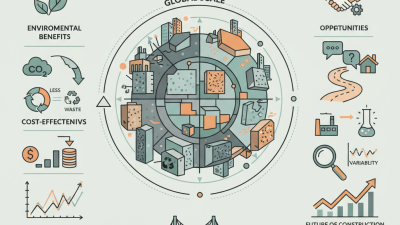
Indicative potential reduction in binder-related CO₂ emissions versus ordinary Portland cement (OPC)

How to read this: Alkali-activated and geopolymer binders can use industrial by-products or other aluminosilicate materials instead of Portland cement clinker. Magnesium-based binders are another developing pathway. The percentages are broad, indicative literature ranges; actual results depend on feedstocks, activators, production energy, transport and curing.

Definition: “Cement-free” generally means the concrete does not use ordinary Portland cement as its binder; it does not mean the material has zero emissions. Portland cement production is commonly estimated to account for about 7–8% of global CO₂ emissions. This chart compares potential binder-related reductions, not whole-concrete lifecycle emissions.

Which Alkali-Activated Concretes Can Cut Embodied CO₂ by Up to 80%?

Alkali-activated concrete replaces ordinary Portland cement with reactive aluminosilicate materials, such as ground granulated blast-furnace slag or fly ash. An alkaline solution activates these powders, helping the mix harden into a solid binder. Some blends combine slag and fly ash to balance early strength with longer-term performance. No single recipe fits every project.

The CO₂ savings can reach up to 80% compared with conventional concrete, but that figure is not guaranteed. Results depend on the ingredients, electricity sources, transport distances, and the production of alkaline activators. A mix made with nearby industrial by-products may perform well; a long supply chain can weaken its advantage. Check the comparison’s boundaries before relying on a headline figure.

Performance needs equal attention. Slag-rich mixes may gain strength quickly, while fly-ash-rich mixes can require careful curing, especially in cool conditions. On site, crews still need workable placement times and reliable quality checks. Small trial batches help reveal how local materials behave. That step is easy to underestimate. Some industrial by-products may also become less available as industries change, so dependable sourcing matters. These concretes offer real potential, but mix design and testing decide whether that potential holds up.

How Do Fly-Ash and Slag Geopolymers Use Industrial By-Products?

In 2026, fly-ash and slag geopolymers remain leading cement-free concrete options. They replace conventional clinker with industrial by-products. Fly ash contains reactive aluminosilicate glass from coal combustion. Ground granulated slag provides calcium, silica, and alumina from steelmaking.

An alkaline activator dissolves these minerals. The released compounds then form a hardened aluminosilicate network. Fly-ash systems often need warm curing, especially in cooler conditions. Slag-rich blends can harden faster at normal temperatures. That difference affects construction schedules, precast production, and winter performance. Small mix changes matter.

The U.S. Environmental Protection Agency reported about 111 million short tons of coal ash generated in 2020. Its data also recorded substantial beneficial use, including concrete applications. The World Steel Association reported 1.88 billion tonnes of crude steel production in 2023, indicating a large slag resource. However, availability is regional, and chemistry varies between facilities. Not every residue qualifies.

The International Energy Agency estimates cement production causes roughly 7% of global energy-related emissions. Geopolymer concrete can reduce process emissions, but the result depends on activator production, transport, and curing energy. That part is often underestimated. Site trials should test setting time, shrinkage, chloride resistance, and long-term strength. Some published comparisons still use inconsistent system boundaries, so their carbon savings require careful review.

(Sources: U.S. EPA, Coal Combustion Residuals Data; World Steel Association, 2024 Statistics; IEA, Cement, 2023.)

Where Do Magnesium-Based Binders Fit Among Cement-Free Concrete Types?

Cement-free concrete in 2026 includes alkali-activated binders, geopolymer systems, calcium sulfoaluminate alternatives, and magnesium-based formulations. Each type changes the chemistry of concrete, not just its ingredient list. Magnesium binders deserve special attention because they can reduce clinker dependence while offering useful early strength and dimensional control.

Magnesium oxychloride binders can perform well in dry interior environments, especially for panels, flooring, and precast elements. Moisture remains their weak point. Persistent water exposure may cause expansion, surface damage, or reduced strength. Magnesium phosphate binders set rapidly and bond well to existing concrete, making them practical for repairs. However, their short working time demands accurate batching and experienced placement.

A newer pathway uses reactive magnesium oxide with carbon dioxide curing. The process can lock carbon into carbonate phases under controlled conditions. It sounds promising. Field performance still needs careful verification. Mix proportions, aggregate moisture, curing temperature, and local humidity can change results significantly. Testing should include wet-dry cycling, chloride exposure, shrinkage, and long-term strength. A strong laboratory result is not enough.

From practical trials, magnesium-based concrete fits best where exposure conditions are clearly understood. It is not a universal replacement for every structural application. Engineers should confirm fire behavior, reinforcement compatibility, and applicable construction standards before specifying it. Some formulations remain expensive or difficult to source. That limitation matters. Cost, supply reliability, and installation skill may decide adoption more than carbon claims.

What Are the Top Types of Cement-Free Concrete in 2026? — Where Do Magnesium-Based Binders Fit Among Cement-Free Concrete Types?
Binder Type How It Hardens Typical Strength or Performance Profile Common Uses or Best-Fit Applications Key Considerations Where It Fits in the Cement-Free Landscape
Alkali-activated materials Alkaline activators react with aluminosilicate-rich precursors such as ground granulated blast-furnace slag, fly ash, or combinations of the two. Can achieve structural concrete strength; performance varies with precursor chemistry, activator, curing, and mix design. Precast elements, blocks, paving products, and selected cast-in-place or infrastructure applications. Precursor supply and composition can vary. Activator handling, curing conditions, and mix-specific testing are important. A broad cement-free category; many practical formulations use industrial by-products and contain no Portland cement.
Geopolymer concrete Aluminosilicate-rich materials form a hardened, interconnected binder network in an alkaline environment. Potentially suitable for structural applications, but strength development and durability depend on the specific formulation and curing regime. Precast products and selected structural or infrastructure uses where the material has been qualified for the exposure and design requirements. The term is often used inconsistently and overlaps with alkali-activated materials. Not every alkali-activated binder is a geopolymer. Often treated as a subset or related class of alkali-activated binders rather than a wholly separate chemistry.
Magnesium oxychloride cement (MOC) Reactive magnesium oxide combines with magnesium chloride and water to form magnesium oxychloride hydrate phases. Can provide high early strength and good surface hardness under suitable conditions. Interior flooring products, boards, and other applications where sustained wet exposure is limited or specifically addressed. Unmodified MOC can lose strength in prolonged water exposure. Moisture resistance depends on formulation, curing, and detailing. A magnesium-based cement-free binder with useful early-strength performance, but water exposure is a key design constraint.
Magnesium oxysulfate cement (MOS) Magnesium oxide reacts with magnesium sulfate and water to form magnesium oxysulfate hydrate phases. Can deliver useful strength and, in some formulations, better water resistance than conventional MOC. Boards, panels, and selected precast products; suitability depends on the product formulation and exposure conditions. Strength and durability are sensitive to raw-material reactivity and mix proportions. Long-term performance should be verified for the intended environment. A magnesium-based option often considered where MOC’s moisture sensitivity is a concern, though it is not universally water-resistant.
Reactive magnesium oxide (MgO) with carbonation curing Reactive MgO hydrates and can react with carbon dioxide to form magnesium carbonate phases that bind the material. Performance depends on MgO reactivity, mixture design, moisture, CO₂ concentration, and curing conditions. Potentially suitable for blocks, precast units, and other products that can be made using controlled carbonation curing. Requires appropriate CO₂ and moisture transport during curing. Carbon uptake and strength development are process- and product-specific. A developing magnesium-based pathway that can mineralize CO₂ during curing; not all MgO production routes or products are automatically low-carbon.
Magnesium phosphate cement Magnesium oxide reacts with phosphate-bearing components to form phosphate hydrates, typically with rapid setting. Known for rapid strength gain; the reaction can generate heat, especially in larger or faster-setting batches. Rapid repairs, patching, and selected precast or specialty applications where quick return to service is valuable. Working time, heat generation, cost, and compatibility with the substrate must be managed. It is generally a specialty rather than a general-purpose concrete binder. A fast-setting magnesium-based alternative used mainly for repair and specialty work rather than routine structural concrete.
Sulfur concrete Molten sulfur acts as a thermoplastic binder that solidifies on cooling; it does not harden through hydraulic cement hydration. Can develop strength quickly after cooling and can offer chemical resistance in certain environments. Selected precast units, industrial applications, and environments where chemical resistance is important. Production requires heating; performance is temperature-sensitive, and fire and safety requirements need careful assessment. It is not a typical cast-in-place concrete system. A non-Portland, non-hydraulic binder option with specialized processing and application requirements.

Scope note: “Cement-free” is used here to mean concrete made without Portland cement as the primary binder. The label covers several distinct chemistries, and suitability, strength, durability, and environmental impact must be assessed for the specific mix, production process, and exposure conditions.

How Do Sulfur Concrete and Other Novel Binders Compare in Performance?

Sulfur concrete replaces Portland cement with a sulfur-based binder and mineral aggregate. It can gain useful strength quickly, which suits precast units and repairs where downtime matters. It also performs well in some acidic or salt-rich environments. Very fast. But heat changes the picture: sulfur softens at elevated temperatures, so fire exposure and hot service conditions need specific testing. Heating the binder during production also calls for careful ventilation and process control.

Alkali-activated concrete uses reactive aluminosilicate materials, often slag or fly ash, with alkaline activators. It can reach high strength and may offer good resistance to chemical attack, but results vary with precursor quality, mix design, and curing. A laboratory strength figure alone tells little about shrinkage or long-term durability. This variability is easy to underestimate.

Magnesium phosphate binders are another option, especially for rapid repairs. They can harden quickly, but heat generation and working time may complicate placement in large sections. There is no universal winner. Compare mixes under the project’s real temperature, moisture, and exposure conditions, and check emissions and handling requirements alongside strength. A small trial can reveal weaknesses that a neat specification misses.