CONTACT PHONE 816-380-4747
OPEN HOURS

Mon - Fri 8:00AM - 5:00PM Central

ADDRESS

1150 SE Hamblen Rd, Lee's Summit, MO 64081

Why Are Cement and Concrete Different?

Cement and concrete are often treated as interchangeable words, but they describe different materials. Cement is a fine powder that acts as a binder. Concrete is the finished mixture made from cement, water, sand, and coarse aggregate, such as crushed stone. Add water, and cement reacts chemically, helping the mixture harden around those particles. It is not simply dried mud. That distinction matters.

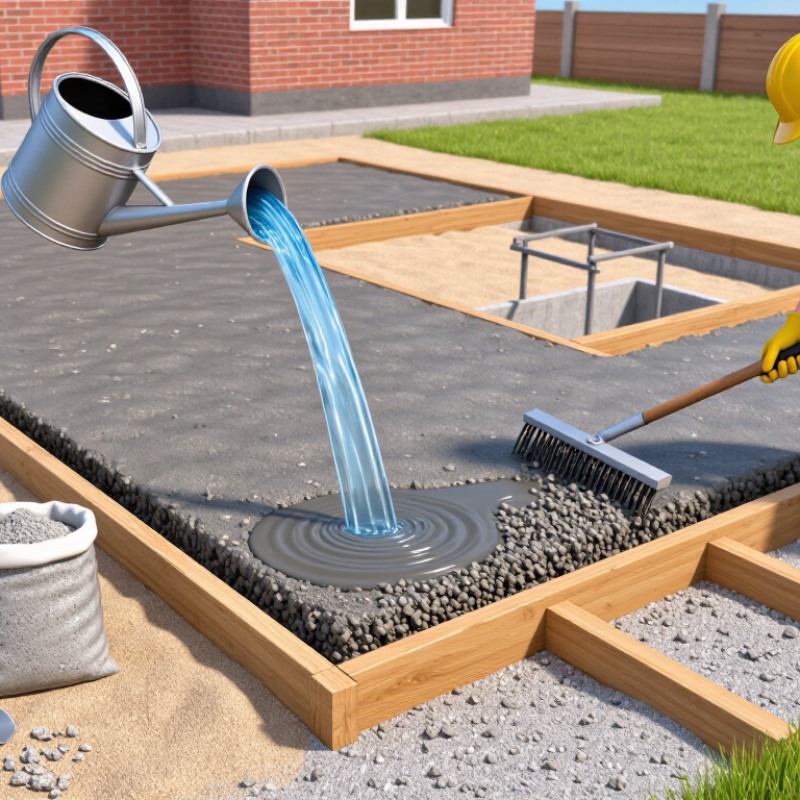
Picture a driveway pour: gray paste coats the stones, then gradually firms into a solid surface. The paste includes cement, but most of the concrete’s volume comes from aggregate. Changing the mix proportions, water content, or curing conditions can affect its strength and durability. A bag labeled “Portland cement” is therefore not the same as a bag of ready-mix concrete. Small wording difference. Big practical difference.

Understanding the terms helps when reading construction plans, comparing product labels, or discussing repairs. It also prevents a common mistake: assuming that adding more cement always makes concrete better. The right mixture depends on its purpose and conditions, and poor curing can still weaken a carefully proportioned batch. Exact requirements vary by project, so structural work should follow applicable specifications and qualified professional guidance. Even familiar materials deserve careful measurement. The names are easy to mix up; the results can be harder to fix.
Why Are Cement and Concrete Different?

What Is Cement? Portland Cement Clinker Has Four Main Mineral Phases

Why Are Cement and Concrete Different?

What Is Cement? Portland Cement Clinker Has Four Main Mineral Phases

Cement is a powdered binder; concrete is the finished mixture of cement, water, sand, and coarse aggregate. Portland cement begins as clinker, small, dark nodules formed in a high-temperature kiln. The Portland Cement Association’s Design and Control of Concrete Mixtures describes the chemistry behind clinker and its role in cement performance. Four main mineral phases help explain why different cements behave differently.

Alite, or tricalcium silicate (C₃S), often makes up roughly 50–70% of clinker and contributes strongly to early strength. Belite (C₂S), commonly around 15–30%, reacts more slowly and supports later strength development. Tricalcium aluminate (C₃A), often about 5–10%, reacts rapidly with water; gypsum is added during grinding to control setting. Ferrite (C₄AF), roughly 5–15%, affects clinker color and contributes less to strength. These are typical ranges, not a recipe: raw materials and kiln conditions change the proportions. This model is useful, but it leaves out plenty. Laboratory X-ray diffraction can measure phases more directly than a simple chemistry estimate.

Tips: When comparing cement data sheets, check the phase composition and test age. A small difference in alite content can matter, but curing temperature and moisture matter too. Don’t blame the powder alone.

What Is Concrete? Aggregate Makes Up About 60–75% of Typical Mix Volume

Why Are Cement and Concrete Different?

What Is Concrete? Aggregate Makes Up About 60–75% of Typical Mix Volume

Cement is a powdered binder; concrete is the finished composite. A typical concrete mix gets about 60–75% of its volume from aggregate, such as sand, crushed stone, or gravel. The remaining volume includes cement paste, which forms when cement and water combine, plus any air in the mix. Fine sand fills small spaces, while larger stones create a load-bearing skeleton. The paste coats these particles and hardens around them. That is why cement and concrete are related, but not interchangeable.

Tips: Look closely at a fresh concrete surface. You can often spot grains of sand and small stones within the gray paste. Mix proportions vary, so 60–75% is a useful range, not a fixed recipe.

Aggregate is not just filler. Its size, shape, cleanliness, and grading affect how easily concrete flows and how it performs after hardening. A poorly graded mix may leave gaps or need more paste to coat its particles. More cement does not automatically mean better concrete; water content and curing matter too. It is tempting to treat the aggregate percentage as a simple formula, but real mixes need to suit their use and placement. A slab poured into a narrow form, for example, may need a mix that moves around reinforcement without separating.

How Cement and Water Form the Paste That Binds Concrete’s Aggregates

Why Are Cement and Concrete Different?

How Cement and Water Form the Paste That Binds Concrete’s Aggregates

Cement is a fine powder, not the finished building material. Concrete is a mixture of cement, water, and aggregates such as sand and crushed stone. When water meets cement, hydration begins: chemical reactions gradually form a solid structure. The paste coats the aggregates, fills spaces between them, and binds them as the concrete hardens. It is not simply drying.

The balance matters. Too much water can make fresh concrete easier to pour, but it may leave the hardened material weaker and more prone to shrinkage. Too little water can make placement and compaction difficult. Aggregate size and grading also affect how the paste moves around each stone. The distinction sounds simple, yet people often say “cement” when they mean concrete. That shorthand can obscure what actually controls a mix’s performance.

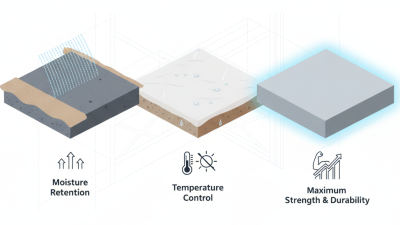
Tips: Measure water rather than adding it by feel. Follow the mix design, and keep newly placed concrete from losing moisture too quickly. A smooth surface is not proof of a strong mix.

The Core Difference: Cement Is a Binder; Concrete Is a Composite

People often use “cement” and “concrete” as if they mean the same thing. They do not. Cement is a fine powder that acts as a binder, while concrete is the hardened composite made with cement, water, sand, and coarse aggregate. Think of cement as the glue, not the whole structure.

When cement meets water, it hydrates and forms compounds that bind nearby particles. The process is not simply drying; concrete can continue gaining strength while it remains properly moist. Cement paste alone can harden, but it may shrink and crack more readily than a well-designed concrete mix. A small scoop of powder cannot replace a slab.

Concrete gains much of its bulk and practical strength from aggregates. Sand fills spaces between larger stones, while the cement paste coats and holds the particles together. On a poured walkway, those stones help resist loads; the paste gives the mix cohesion before it sets. Too much water can make fresh concrete easier to spread, yet leave it weaker and more porous after curing. The exact proportions, aggregate size, placement, and curing conditions all matter. Even a sound mix can disappoint if it dries too quickly, and that detail is easy to overlook.

Why Cement Matters: Its Production Causes About 7% of Global CO₂ Emissions

Cement is the fine powder that binds concrete; concrete is the finished mixture of cement, water, sand, and stone. A poured driveway may look like one material, but cement is its carbon-intensive ingredient. The chemistry matters. Heating limestone releases CO₂ as the rock breaks down, while kiln fuel adds more emissions. Even a grey slab has a complicated footprint.

The International Energy Agency’s 2023 cement-sector assessment puts cement production at about 7% of global CO₂ emissions. That share reflects both process emissions and the high heat needed to make clinker, the kiln-made ingredient in cement. Clinker production matters. IEA tracking also shows why reducing emissions is difficult: demand remains high, while lower-carbon fuels and alternative materials have not yet scaled enough to transform production worldwide.

For a builder, the detail is practical: using less cement in a concrete mix can reduce its footprint, provided the mix still meets strength and durability needs. The Global Cement and Concrete Association’s 2021 Concrete Future roadmap also identifies lower-clinker cement and improved efficiency as key routes to cutting emissions. But comparisons can be messy. Reports may count emissions differently, and local electricity or kiln fuels change the result. I find that caveat easy to overlook when one neat percentage gets repeated.