Mon - Fri 8:00AM - 5:00PM Central
1150 SE Hamblen Rd, Lee's Summit, MO 64081
Choosing a reliable remix concrete supplier can shape an entire construction project, from the first truck arrival to the final slab finish. Global buyers need more than attractive prices. They need consistent mix quality, responsive communication, dependable delivery, and documents that support safe purchasing decisions.
This guide introduces leading 2026 remix concrete suppliers for international buyers. It considers production capacity, batching accuracy, material sourcing, export experience, technical support, and service coverage. Practical details matter. A supplier should explain cement grades, aggregate sizes, water ratios, admixtures, curing guidance, and expected slump before signing an order. Clear test reports and recognized quality systems also deserve careful attention.
Delivery is another reality. Concrete is time-sensitive, and a delayed truck can affect workers, pumps, formwork, and site schedules. Strong suppliers usually provide dispatch tracking, realistic lead times, local contact points, and contingency planning. Yet no ranking is perfect. Regional availability may change, and a supplier praised in one market may perform differently elsewhere.
Buyers should verify current certifications, production sites, references, and contractual terms independently. That small step can prevent expensive surprises. Request samples where practical. Ask difficult questions early.
The companies discussed here are assessed through a professional, buyer-focused lens, combining industry knowledge with practical purchasing concerns. Whether you need concrete for housing, roads, ports, warehouses, or commercial structures, the right partner should offer measurable quality and accountable service. Price matters, but consistency matters more. A smooth pour is rarely accidental.
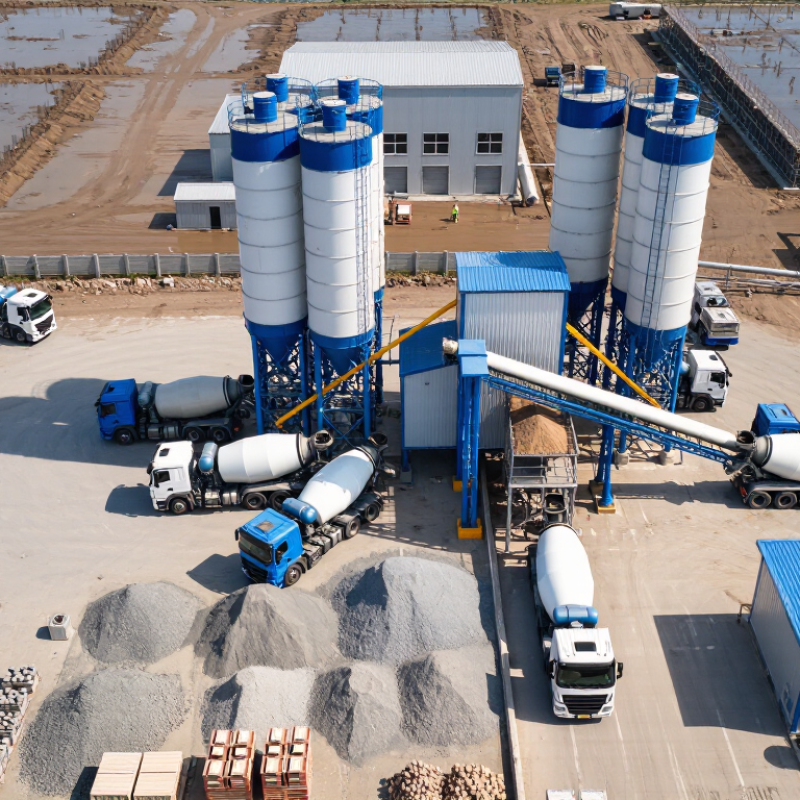
The phrase “remix concrete” is not standardized worldwide. In many markets, it describes ready-mixed concrete batched at a plant and delivered for placement. It may also mean concrete adjusted through controlled reblending. That distinction matters. Concrete is not a generic liquid. Its strength, slump, setting time, and aggregate size must match the project design. The Global Cement and Concrete Association reports that the world uses about 14 billion cubic metres of concrete each year. This scale explains the demand for dependable international supply.
Global buyers need remix concrete because site conditions rarely remain identical. A hot port, long transport route, or humid jobsite can change workability. Suppliers should provide mix designs, batch records, testing results, and delivery tolerances. Independent laboratory tests should confirm compressive strength, usually at 28 days. ASTM C94 and EN 206 are useful reference points, but local regulations still control acceptance.
There is also a carbon question. The International Energy Agency estimates cement production creates roughly 7% of global energy-related and process CO2 emissions. Lower-cement mixes, supplementary materials, and recycled aggregates can reduce impact. However, “eco-friendly” claims need measured evidence. Not every recycled mix performs well in every climate. That is where buyers must remain skeptical. A cheaper quotation can become expensive after rejected loads, delayed pumping, or inconsistent curing. Supplier audits, trial batches, and clear responsibility for transport conditions are practical safeguards.

Before choosing a remix concrete supplier, define the project in measurable terms.
Record the required volume, concrete grade, target slump, aggregate size, placement method, and delivery schedule. A supplier cannot price accurately from “standard concrete.”
For example, a 120 m³ foundation may require 30 MPa concrete, 100 mm slump, 20 mm aggregate, and continuous delivery within six hours.
Exposure conditions matter.
Coastal projects need chloride resistance, while cold regions may require freeze-thaw protection. Ask for mix designs, batch records, laboratory test results, and calibration certificates.
Request trial batches before full production. Small details matter here. A 20-minute delay can affect workability.
Sustainability should also be a defined requirement, not a vague promise.
The International Energy Agency reports that cement production creates about 8% of global carbon dioxide emissions. Its cement-sector analysis highlights clinker reduction, energy efficiency, and low-carbon materials as major reduction measures.
Therefore, ask for supplementary cementitious material percentages, recycled aggregate content, and product carbon data. Confirm whether these figures cover production only or the full life cycle.
Logistics require equal attention.
Specify unloading access, local temperature ranges, customs documents, testing standards, and emergency replacement procedures. Global buyers sometimes overlook local construction codes. That mistake can be expensive.
Compare suppliers using the same technical schedule and acceptance criteria. Leave room for revision; early quantities are often wrong.
A practical checklist, reviewed by an independent engineer, can expose missing assumptions before contracts are signed.
Evaluating remix concrete suppliers across countries requires more than comparing quoted prices. A low offer may exclude testing, inland transport, temperature control, or port handling. Ask for evidence. Request recent mix designs, batch records, compressive-strength results, and independent laboratory reports. A reliable supplier should explain cement type, aggregate grading, water content, admixtures, and expected slump clearly. Their technical team should adapt the mix to local climate and project specifications, rather than copy a generic recipe.
Check whether production sites follow recognized quality systems and whether certificates remain current and traceable. Standards differ by market, so confirm which national code governs your project. Test the mix. Arrange trial batches before approving a large order, especially when aggregate or water sources vary. Ask how the supplier manages moisture corrections, equipment calibration, rejected loads, and strength failures. These details reveal operational maturity. Site visits, video inspections, and conversations with previous international buyers can build confidence. References may still be selective.
Delivery planning deserves equal attention. Compare lead times, shipping documents, storage guidance, and technical support after arrival. A regional service network may respond faster when a batch behaves unexpectedly. However, local availability can be overstated. Confirm stock physically and record every assumption in the contract. This is where judgment gets messy. Technically strong proposals can weaken when response times remain vague. Choose measurable service levels, transparent testing, and a documented process for correcting defects. Leave room for review when field conditions differ from laboratory results.
How to Evaluate Remix Concrete Suppliers Across Countries
Logistics performance is a practical screening factor when evaluating ready-mix concrete suppliers internationally. The chart uses the World Bank Logistics Performance Index 2023 scores, which measure customs efficiency, infrastructure, international shipments, logistics competence, tracking and tracing, and delivery timeliness. A higher score may indicate a more predictable cross-border supply environment, but buyers should also verify concrete standards, batching capacity, delivery radius, quality testing, sustainability documentation, and project-specific lead times.
Data source: World Bank, Logistics Performance Index 2023. Scores are measured on a 1–5 scale.
2026 Best Remix Concrete Suppliers for Global Buyers
How to Compare Quality, Pricing, Logistics, and Compliance
Choosing a concrete supplier requires more than comparing the lowest quotation. Quality begins with verified mix designs, consistent cement content, clean aggregates, and documented strength results. Ask for recent laboratory reports, batch records, and sample specifications. A reliable supplier should explain slump retention, curing requirements, and expected performance in your climate. Do not accept vague claims. Concrete problems become expensive after placement.
Tips: Compare the delivered cost, not only the factory price. Include testing, packaging, inland transport, insurance, port handling, and possible storage delays. Request a clear quotation with currency, payment terms, production time, and replacement conditions. Small details matter. A missing delivery window can disrupt an entire construction schedule.
Logistics should match the material’s usable life and your site conditions. Confirm loading capacity, moisture protection, container requirements, and tracking procedures. For compliance, check product declarations, safety documents, labeling, customs paperwork, and destination-country standards. Independent inspection can reduce uncertainty before shipment. Yet no checklist is perfect. Weather, port congestion, and local interpretation may still create delays. Experienced buyers leave contingency time and keep written records of every technical promise.
| Supplier Profile | Typical Market Position | Concrete Quality Range | Applicable Standards and Certifications | Indicative Price Level | Production and Delivery Capacity | Logistics Capability | Compliance Evidence to Request | Best Fit | Overall Score |
|---|---|---|---|---|---|---|---|---|---|
| Profile A Large Regional Ready-Mix Network |
Multiple batching plants serving major construction corridors and urban infrastructure projects. | Common grades from C20/25 to C50/60 under EN 206, or approximately 3,000–8,000 psi under ASTM-based specifications. Slump and admixture packages can be project-specific. | EN 206 or ASTM C94 alignment; ISO 9001 quality-management certification commonly available; batch records and laboratory test reports expected. | Medium to high Usually competitive for recurring volume because of fleet and plant scale. |
Approximately 500–2,000 m³ per day per operating region, subject to plant location, aggregate supply, and fleet availability. | Dedicated mixer-truck fleet, scheduled dispatching, GPS tracking, and pump-concrete coordination generally available. | Mix design approval, calibration certificates, cube or cylinder test results, aggregate test data, delivery tickets, and nonconformance procedure. | Large infrastructure, commercial developments, and repeat projects. | 9.1/10 |
| Profile B International Project Specialist |
Focuses on overseas contractors, public works, industrial facilities, and projects requiring formal technical submittals. | Typically supplies structural and high-performance mixes from C25/30 to C60/75, including low-permeability, sulfate-resistant, and high-early-strength options where locally approved. | Project compliance may combine EN 206, ASTM C94, ACI 318 specifications, and local building codes. Environmental product declarations may be available for selected mixes. | Medium to high Technical documentation and specialized admixtures can increase the delivered cost. |
Approximately 300–1,500 m³ per day, with capacity reserved through project scheduling and approved production plans. | Strong technical coordination, export documentation support, planned pour windows, backup batching arrangements, and pump scheduling. | Third-party laboratory reports, approved mix-design calculations, EPD or carbon data where applicable, insurance, safety records, and traceability documents. | International EPC contracts, airports, ports, industrial plants, and technically controlled projects. | 9.0/10 |
| Profile C Low-Carbon Concrete Producer |
Specializes in reduced-clinker, recycled-material, and embodied-carbon-conscious concrete solutions. | Commonly offers C25/30 to C50/60 mixes using supplementary cementitious materials such as ground granulated blast-furnace slag, fly ash, or calcined clay, subject to regional availability and approval. | EN 206 or ASTM-based compliance, environmental product declarations for selected products, and documented supplementary cementitious material content where verified. | Medium May reduce cement-related cost but can require longer curing or stricter quality control. |
Approximately 200–1,000 m³ per day, depending on approved binder sources and local material availability. | Regional delivery model with detailed dispatch planning; longer lead times may apply for customized low-carbon mix designs. | EPD or verified product-carbon data, binder source certificates, trial-batch results, strength-development curves, durability data, and recycled-content declarations. | Green buildings, public procurement, ESG-led developments, and projects with embodied-carbon targets. | 8.8/10 |
| Profile D Port-City Commercial Supplier |
Operates near international ports and dense commercial zones, supporting high-volume construction and time-sensitive deliveries. | Typically supplies C20/25 to C40/50 structural grades, standard paving mixes, pump mixes, and ordinary reinforced-concrete applications. | Local construction-code approval with EN 206 or ASTM C94 testing practices; ISO 9001 status should be verified for each operating plant. | Low to medium Efficient aggregate sourcing and short urban delivery distances may improve landed cost. |
Approximately 250–1,200 m³ per day, with capacity affected by traffic restrictions, port congestion, and peak construction demand. | Good access to port logistics, local trucking, concrete pumps, and short-notice deliveries within the service radius. | Plant license, local authority approvals, material certificates, calibration records, delivery-time logs, and proof of driver and vehicle compliance. | Commercial buildings, port facilities, warehouses, residential towers, and urban projects. | 8.5/10 |
| Profile E Specialty Performance-Mix Supplier |
Provides customized mixes for marine works, cold climates, rapid repairs, demanding durability classes, and high-rise pumping. | Often supports C30/37 to C70/85, self-compacting concrete, fiber-reinforced concrete, rapid-setting mixes, and chloride- or freeze-thaw-resistant formulations where approved. | Project-specific testing may reference EN 206, ASTM C494 admixture requirements, ASTM C666 freeze-thaw testing, ASTM C1202 chloride-ion testing, or equivalent local methods. | High Special admixtures, fibers, testing, and controlled production increase the unit price. |
Approximately 100–600 m³ per day, with production often reserved for technically approved projects. | Technical pour supervision, laboratory support, controlled-temperature delivery, pumping consultation, and detailed placement procedures. | Durability test results, admixture certificates, trial-pour records, rheology data, temperature-control plan, and specialist technical statements. | Marine structures, tunnels, bridges, high-rise projects, cold regions, and critical repairs. | 8.9/10 |
| Profile F Local Cost-Efficient Supplier |
Serves small to medium construction projects within a limited geographic radius. | Generally supplies standard C20/25 to C35/45 grades, ordinary pump mixes, foundations, slabs, footings, and non-specialist applications. | Local regulatory approval and basic laboratory testing should be confirmed. Formal ISO certification may not be available at every plant. | Low Often attractive for short-haul orders and standard mix designs, but volume discounts vary. |
Approximately 50–400 m³ per day, with availability strongly dependent on fleet size and concurrent orders. | Short-distance delivery, basic dispatch support, and third-party pump rental may be available; backup capacity should be checked. | Current operating license, mix-design sheet, aggregate certificates, recent compressive-strength results, truck calibration records, and delivery tickets. | Residential construction, small commercial works, foundations, slabs, and short-distance projects. | 7.8/10 |
Choosing the right global ready-mix concrete supplier requires more than comparing prices. Start with project specifications, local standards, and the supplier’s production capacity. Ask for recent test reports, cement sources, aggregate grading, admixture details, and quality certificates. Verify these documents independently when possible. Paperwork can look perfect.
A reliable supplier should explain batch control, moisture correction, slump targets, and curing expectations clearly. Request trial batches before placing a large order. Record the mix temperature, delivery time, slump, and cube strength at the job site. A delivery arriving two hours late can change performance, especially in hot weather. Confirm shipping terms, export documents, insurance, payment milestones, and responsibilities for damaged materials. Keep every agreement in writing.
Supplier management needs regular contact, not occasional emails. Use a shared schedule with pour dates, truck capacity, backup routes, and emergency contacts. Appoint one technical decision-maker on each side. Review nonconformities within 24 hours, using photos, batch tickets, and test results. Do not accept vague promises. Demand corrective actions with deadlines. Still, no plan is perfect. A port delay, raw material shortage, or misunderstood specification may expose weak preparation. We once treated delivery reliability as a purchasing issue, when it was really a site-planning issue. Monthly performance reviews can reveal these gaps early. Select suppliers that communicate problems before the concrete reaches the pump.