Mon - Fri 8:00AM - 5:00PM Central
1150 SE Hamblen Rd, Lee's Summit, MO 64081
In 2026, remix concrete means more than adding water to a stiff batch. It requires judgment, measurement, and respect for the material’s limits. A dry mix may appear simple, yet its performance depends on cement content, aggregate size, moisture, temperature, and mixing time. One careless adjustment can weaken an otherwise promising pour. Small details matter.
This guide explores practical methods for remixing concrete with greater consistency. It considers reclaimed concrete, fresh bagged mixes, low-carbon binders, mechanical mixers, and jobsite testing. You will see concrete dust on a mixer drum, damp aggregate changing the batch, and a slump test revealing what your eyes missed. These details reflect real working conditions, not perfect laboratory control. Always follow the product label and applicable building standards. For structural work, involve a qualified engineer or experienced concrete professional.
Some advice sounds obvious. It still gets ignored. Do not guess the water content. Measure it. Do not remix concrete after it has begun setting unless the manufacturer permits it. Protect skin and eyes, control dust, and keep tools grounded and maintained. Weather also matters; hot surfaces can accelerate setting, while cold conditions can delay strength development. This article will question popular shortcuts and identify where current practice remains uncertain. Not every recycled approach fits every project. A patio, repair patch, driveway, and load-bearing foundation demand different decisions. Good results come from records, testing, and the willingness to reject a batch that feels wrong. That judgment may seem inefficient. It is often the safest economy.

Remixing concrete starts with checking the mix, not the mixer. Review the approved proportions, delivery time, slump range, air content, and specified strength. Concrete that has begun setting should not be revived by force or extra water. That shortcut can weaken the finished element.
Inspect the site closely. Record concrete temperature, air temperature, wind, shade, and ground moisture. A hot slab may lose workability quickly, while a cold pour can delay setting. Check for blocked access, unclean tools, unstable formwork, and long waiting times.
Keep the drum turning at the approved mixing speed. Add water only when the project requirements permit it, and measure every addition. Never guess.
I have seen a stiff load become workable after controlled remixing, but the result depends on timing. The operator should confirm the revised slump and document the adjustment. Look for uniform color, consistent texture, and no visible segregation. If stones collect at the bottom or paste separates, stop and ask the qualified site supervisor to assess the load. Follow the project specification and applicable concrete standards. Digital temperature logs can help, yet they do not replace a field inspection. My own weak point is relying too heavily on appearance. Concrete can look acceptable while its properties have already changed. Fresh test results and clear records provide stronger evidence.
Before remixing concrete in 2026, prepare the work area and inspect every tool. You need a measured water container, clean mixing vessel, heavy-duty mixer, shovel, gauge, brush, and waste bucket. Keep the material dry until use. Follow the approved mix design, because extra water can reduce strength and increase cracking. I have seen rushed batches become unworkable. That mistake is expensive.
Protective equipment matters as much as the mixer. Wear safety glasses, waterproof gloves, long sleeves, slip-resistant boots, and hearing protection. Use a properly fitted respirator when dry cement or concrete dust may become airborne. OSHA limits respirable crystalline silica exposure to 50 micrograms per cubic meter over eight hours, with a 25-microgram action level (OSHA, Respirable Crystalline Silica Standard). Wet methods and local exhaust ventilation can reduce dust, but they require regular checks.
Control noise and skin contact. NIOSH recommends limiting occupational noise exposure to 85 dBA over an eight-hour workday (NIOSH, Criteria for a Recommended Standard). Keep electrical leads away from standing water, and test the mixer before loading materials. My weak point used to be preparation; I often checked tools too late. Now I stage them on a dry board, yet I still recheck the emergency stop before mixing. Small oversights remain possible.
How to Remix Concrete in 2026?
A reliable 2026 concrete remix starts with measured materials, not guesswork. Review the approved mix design, target slump, strength, exposure class, and local requirements. Then confirm aggregate moisture immediately before batching. Stockpiles change during rain, shade, and hot afternoons.
Keep the water-to-binder ratio under control. If the design calls for 180 kilograms of water and a 0.45 ratio, the binder target is 400 kilograms. For a 0.40 ratio, it becomes 450 kilograms. Do not add binder automatically. Check strength, heat development, cost, and workability first. Aggregate adjustments matter just as much. Free water equals aggregate moisture minus absorption. Wet sand may already supply mixing water. Dry stone may consume it. Adjust batch water downward for free moisture, or upward for absorption demand. Recalculate aggregate weights from saturated-surface-dry values. My first correction is rarely perfect. A second check often exposes a small but important error.
Tips: Weigh a fresh moisture sample before each major batch. Record temperature, slump, air content, and unit weight. Run a small trial batch before full production. Compare the result with test-cylinder performance, not appearance alone. Never correct a harsh mix by adding random water. That shortcut can quietly damage durability. Recheck the calculation when materials change. Conditions are never identical.
Remixing concrete requires patience, measurement, and a clear limit on added water. Concrete that has stiffened may still be workable, but it should not be treated like dry mortar. Begin with a thorough mechanical remix to redistribute cement paste and aggregate. Watch the texture closely. If the mix remains harsh, add water only in small, measured stages allowed by the mix design. Never pour water freely from a hose. Extra water can lower strength, increase shrinkage, and leave a weak surface. If setting has started, discard the batch rather than trying to restore it. That decision can feel wasteful. It is often the safer professional choice.
Tips: Measure each addition. Keep the drum moving. Check the slump. Clean tools immediately. Record the change.
I once saw a workable batch become soupy after one careless adjustment. The surface looked smooth, but the aggregate settled quickly. That mistake reinforced a simple rule: remix first, then adjust gradually. Add a small portion, mix for several minutes, and inspect the consistency again. Use a calibrated container, not visual guesses. Keep the batch protected from direct sun and strong wind while you work. Follow the project specifications, curing requirements, and local construction rules. Wear suitable gloves, eye protection, and waterproof footwear, because wet concrete can irritate skin. Small corrections are easier to control than one dramatic pour.
Remixing concrete in 2026 should begin with a clear site check, not a rushed adjustment. Confirm the delivery time, mix identification, temperature, and approved remixing limits. Fresh concrete may lose workability during waiting, especially under hot or windy conditions. Do not guess. Use a slump or flow test to measure consistency before placement. Check for segregation, stiff lumps, unusual bleeding, and excessive temperature. Air content may also matter when the design requires freeze-thaw protection. Adding water without approval can reduce strength and durability. Any adjustment should follow the project specification and be recorded by the responsible technician.
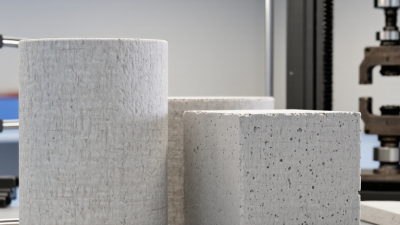
Strength requires a different kind of caution. A fresh sample cannot prove hardened strength immediately. Prepare representative cylinders or cubes from the remixed batch, then cure and test them at the required ages. A trial batch, approved mix design, or historical test data can provide earlier confidence, but it cannot replace proper sampling. Record the remixing time, added materials, test results, weather, and placement location. Keep it visible. Digital logs and sensor readings can improve traceability, yet they still depend on careful field work. I have seen acceptable-looking concrete fail because sampling was rushed or curing was neglected. The process is reliable only when each check matches the actual batch being placed. Resist the urge to proceed when results conflict; investigate the cause before concrete enters the formwork.